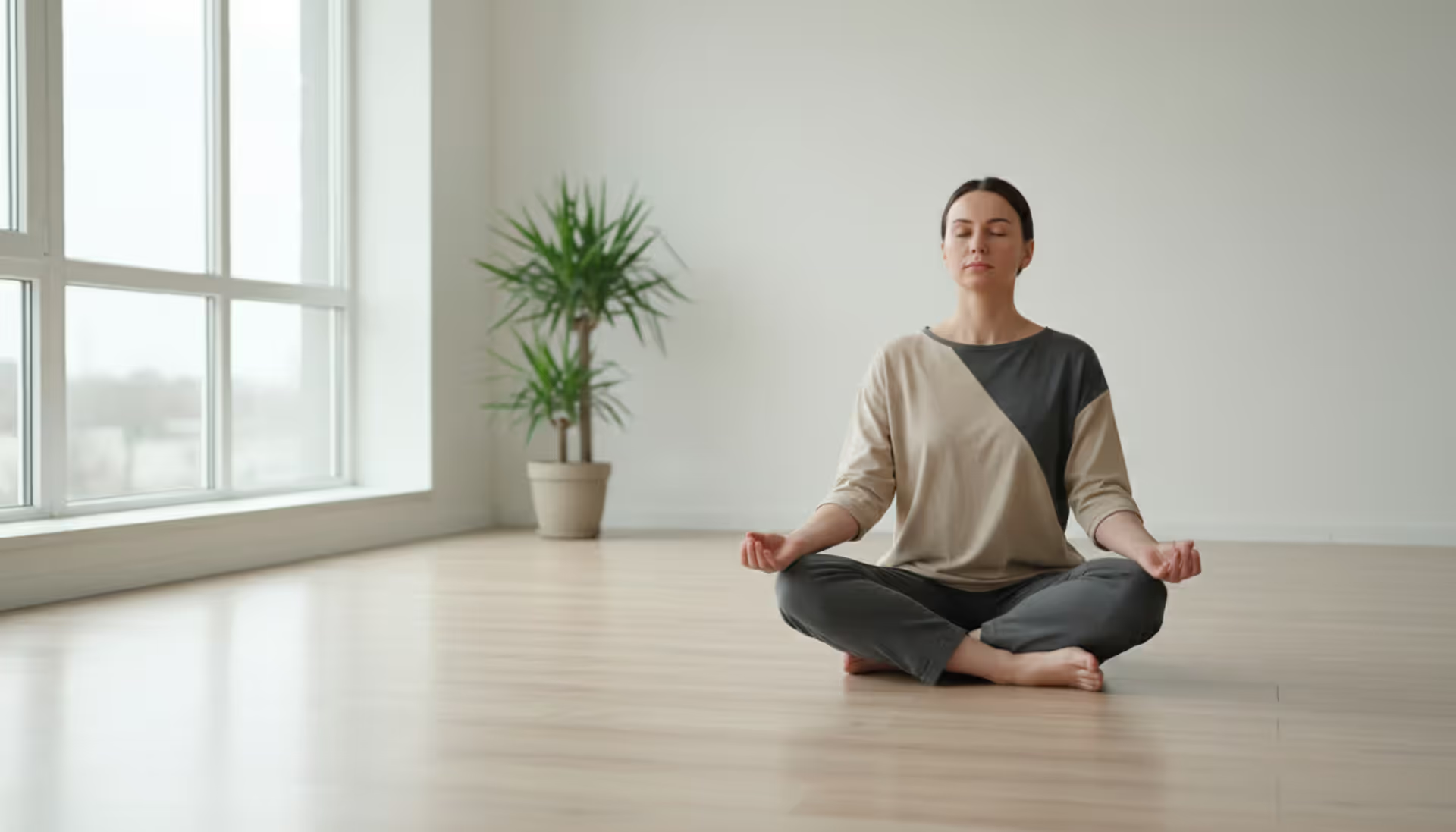
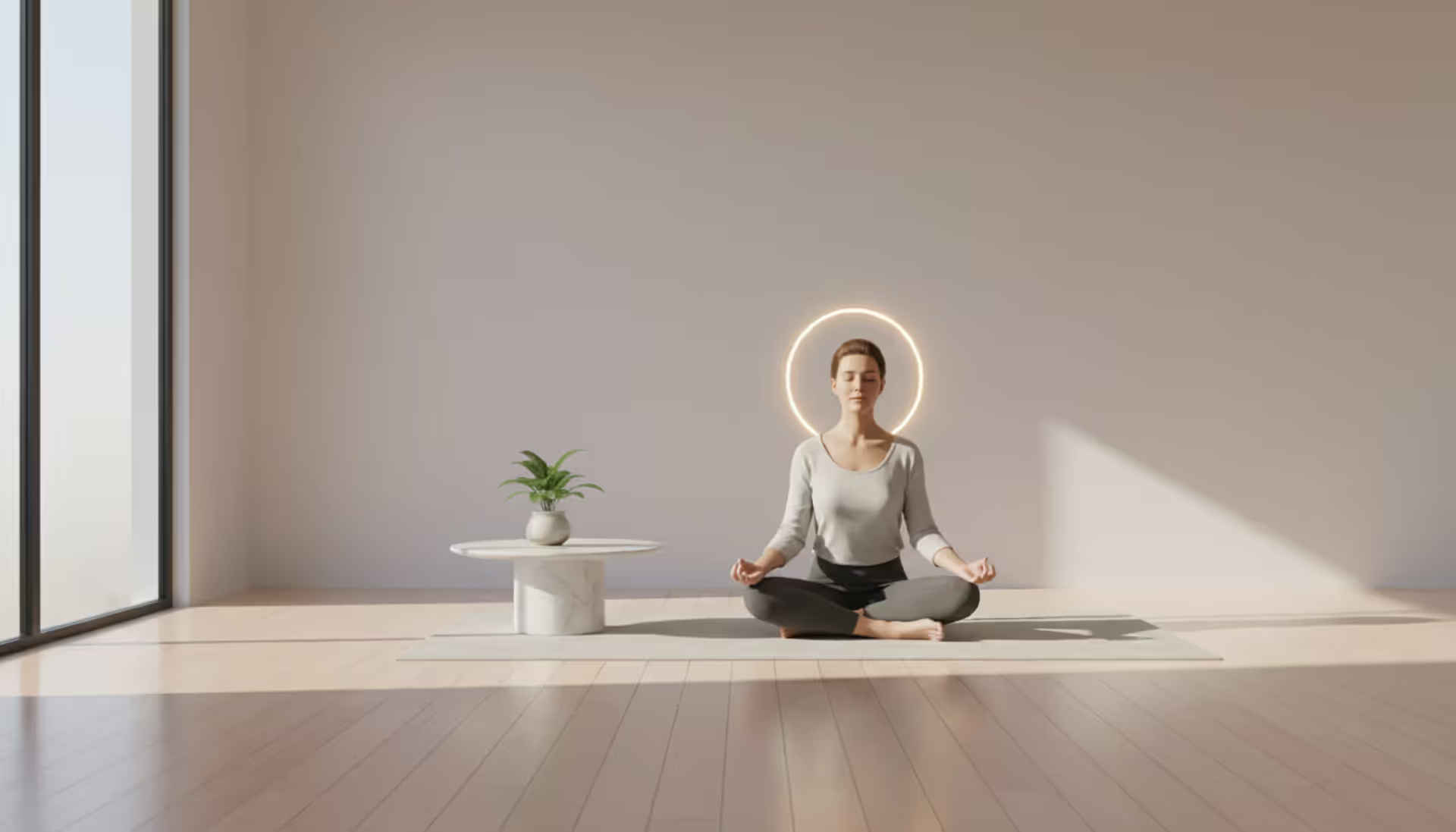
Here's something interesting: there's a meditation practice that asks you to actively generate warm feelings rather than just observing your breath. Loving kindness meditation—sometimes called metta—flips the script on what many people think meditation is supposed to be.
Instead of watching thoughts drift by without attachment, you're deliberately creating positive intentions toward yourself and others. You'll use specific phrases (we'll get to those) and sometimes mental images to build a particular emotional quality: unconditional goodwill.
The technique comes from Buddhist traditions, where it's called metta bhavana. Metta translates from Pali as benevolence or friendliness. Bhavana means cultivation or development. So you're literally developing friendliness as a skill—starting with yourself, then rippling outward to include more and more people, even difficult ones.
Understanding Loving Kindness Meditation
Buddhist loving kindness meditation showed up about 2,500 years ago as part of a group called the brahmaviharas (divine abodes). These were four qualities ancient practitioners considered essential: loving kindness, compassion, empathetic joy, and equanimity. Metta meditation tackles the first one—developing boundless friendliness that doesn't depend on getting something back.
Here's the basic insight driving the practice: most of us default to self-criticism, hold grudges, and feel pretty neutral about strangers. Maybe even a bit suspicious. These mental habits generate stress and disconnection. What if you could retrain those automatic responses?
The method works by directing well-wishes toward different categories of people in a systematic way. You're essentially rewiring your brain's social circuitry. Buddhist psychology has this concept of "near enemies"—states that look like the virtue you're developing but aren't quite right. For metta, the near enemy is selfish affection or attachment. Real loving kindness doesn't need anything back.
Author: Sophie Ellington;
Source: 5sensesspa.com
Ancient texts position metta as what dissolves anger and ill-will. Worth noting: this doesn't mean approving of everything everyone does or erasing your boundaries. You're separating people from their behaviors, recognizing that everyone wants to be happy and avoid suffering. That commonality exists even with people whose actions you find harmful.
What separates this from just thinking positive thoughts? The combination of repetition, focused attention, and specific structure creates measurable brain changes. Studies using imaging technology have documented this. You're doing mental training that has effects similar to physical exercise—not just having nice thoughts and hoping for the best.
Western teachers started adapting the practice in the 1960s and 70s, stripping away explicitly religious elements. Today's secular versions keep the core structure but make it accessible whether you're Buddhist, another faith, or completely non-religious.
How Loving Kindness Meditation Benefits Your Mind and Body
Researchers started seriously studying loving kindness meditation benefits in the early 2000s. The findings surprised even some skeptics.
Mental and Emotional Benefits
Brain imaging reveals something fascinating: regular practitioners show increased activation in the insula and temporoparietal junction when viewing images of people suffering. These regions handle empathy and emotional processing. After just eight weeks of practice, participants demonstrate this enhanced activation—their brains literally respond differently to others' pain.
Depression scores drop significantly in studies tracking practitioners over time. One nine-week study found improvements comparable to some therapeutic interventions. The mechanism seems connected to reduced rumination (that repetitive negative thinking pattern) and increased positive emotions. Participants also reported stronger feelings of purpose and social connection.
People with social anxiety see particularly strong results. Think about it: you're rehearsing goodwill toward strangers and difficult people in a safe mental space. It's controlled exposure therapy. You build confidence by reducing your perception that others are threatening or judgmental.
Emotional resilience—bouncing back from setbacks—improves through what researchers call "positive emotion broadening." You develop an internal resource that doesn't fluctuate with external circumstances. That stability helps when life gets difficult.
Self-criticism softens considerably. Many people carry around a harsh internal voice that comments negatively on everything they do. The practice explicitly includes directing kindness inward, which directly counters perfectionism and shame. People who initially feel uncomfortable with self-compassion often find the structured format of traditional phrases makes it more accessible.
Physical Health Benefits
The effects show up in your body, not just your mind. Vagal tone—a measurement of parasympathetic nervous system function—increases with consistent practice. Higher vagal tone correlates with better emotional regulation, lower inflammation markers, and improved heart health.
People dealing with chronic pain report decreased intensity and better quality of life. The practice doesn't make physical sensations disappear, but it changes your relationship to discomfort. You learn to distinguish between the actual sensation and the emotional suffering you're layering on top of it.
Inflammatory markers like interleukin-6 decrease measurably in practitioners. Since chronic inflammation contributes to heart disease, autoimmune conditions, and numerous other health problems, this represents a significant preventive benefit from what's essentially just sitting quietly and repeating phrases.
Telomere length—those protective caps on chromosomes that indicate cellular aging—appears preserved in long-term meditators according to preliminary research. More studies are needed, but it suggests compassion practices might influence biological aging through stress reduction pathways.
Sleep quality improves because the practice reduces the rumination and anxiety that keep people awake. Ending your day with loving kindness meditation creates a mental transition that helps you fall asleep more easily.
Author: Sophie Ellington;
Source: 5sensesspa.com
How to Do Loving Kindness Meditation Step by Step
You don't need apps, special cushions, or training courses to start. Here's the basic approach:
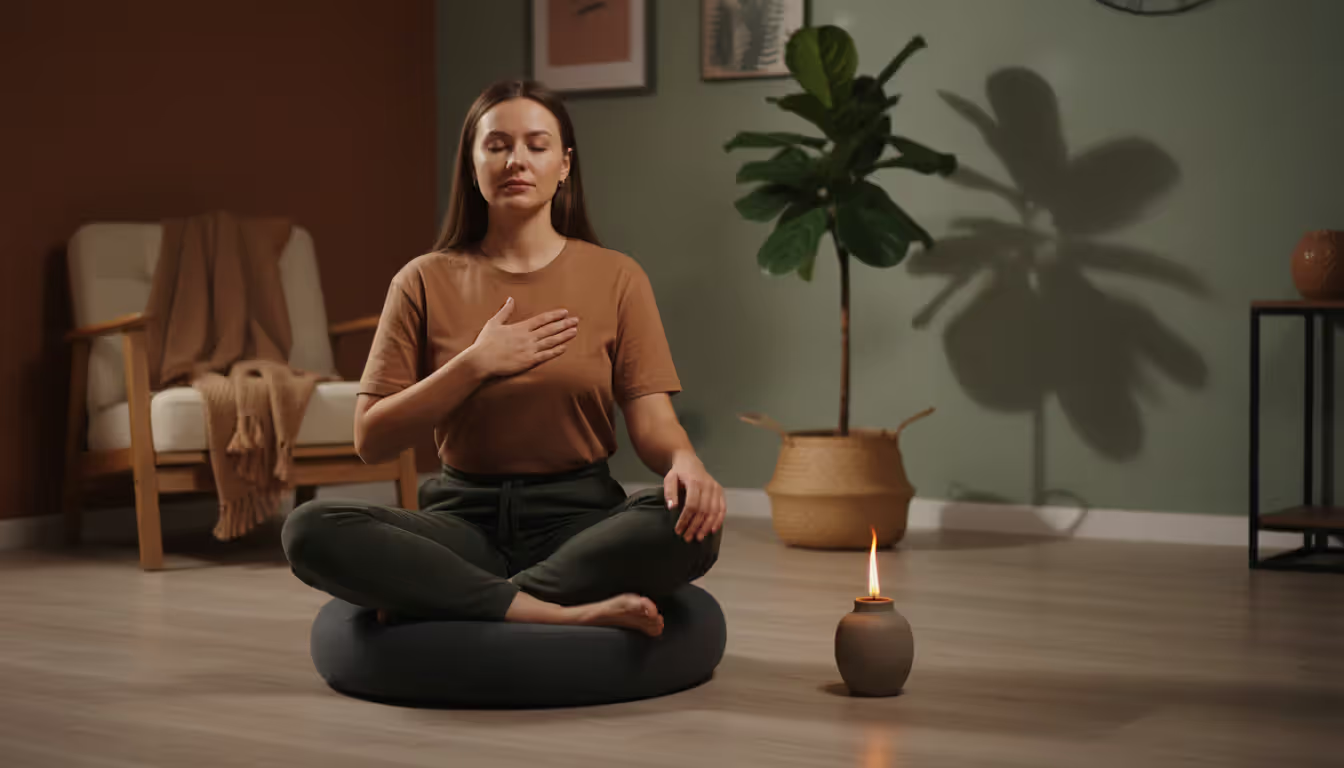
Preparation: Find a spot where you won't be interrupted for 10-20 minutes. Turn off your phone notifications. You can sit upright in a chair, cross-legged on a cushion, or even lie down if sitting causes discomfort (though lying down might make you drowsy).
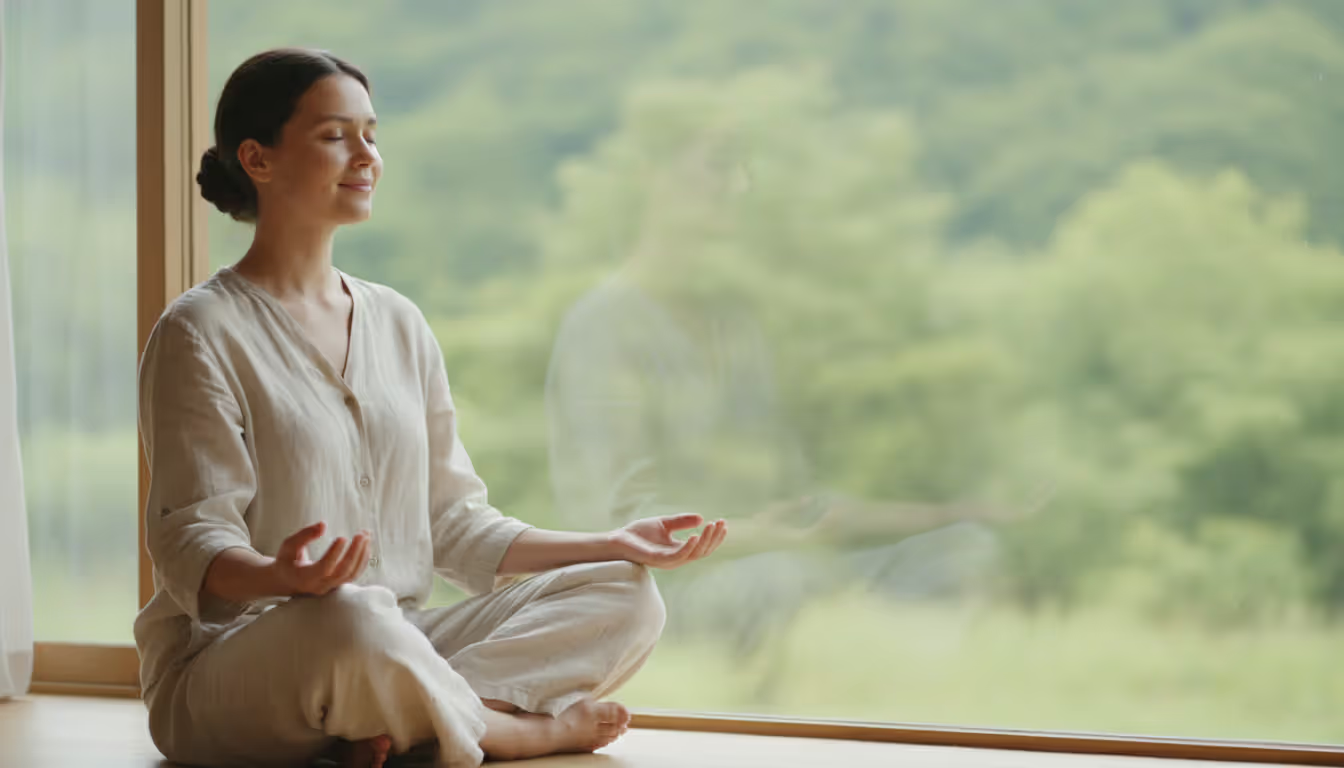
Posture: Sit with your spine comfortably upright—not rigid, but not slouching. Let your hands settle naturally in your lap or on your thighs. Either close your eyes completely or keep them half-open with a soft gaze downward. Take three slow, deep breaths to settle your attention.
Starting with yourself: Direct loving kindness toward yourself using these traditional phrases:
May I be safe
May I be healthy
May I be happy
May I live with ease
Repeat them slowly. Leave space between each one—maybe 5-10 seconds. You're not rushing to get through them. Don't force feelings or worry if you feel nothing. Just offer these wishes sincerely, like talking to someone you care about.
Working with imagery: Some people find pairing the phrases with visualization helpful. You might imagine yourself bathed in warm, golden light. Or picture yourself as a young child who deserves care and protection. Experiment to discover what works for you.
Expanding outward: After spending several minutes on yourself, bring someone you care about to mind. Pick a family member, friend, or mentor. Get a clear mental picture of them, then direct the same phrases their way:
May you be safe
May you be healthy
May you be happy
May you live with ease
Continuing the progression: The traditional method moves through expanding circles, which we'll explore more thoroughly in the next section. For a basic session, you might include yourself, one loved person, and finish with a brief extension to all beings everywhere.
Closing: After your final round of phrases, sit quietly for about a minute. Just notice whatever's present—physical sensations, emotions, thoughts—without judging any of it. Then gently open your eyes and transition back to your day at a natural pace.
Time investment: Begin with 10 minutes and increase gradually as it feels comfortable. Daily consistency beats longer but sporadic sessions—five minutes every day will serve you better than an hour once a week.
The Traditional Metta Method Explained
The classical metta loving kindness method follows five stages that systematically expand your circle of compassion. The order isn't random—it addresses psychological resistance by moving from easier to more challenging territory.
Stage one: Self. Starting here makes sense because you can't authentically wish others well while drowning in self-loathing. Many Western practitioners resist this stage initially, worried it's narcissistic. But Buddhist psychology recognizes that healthy self-regard creates the foundation for genuine compassion toward others. Spend 3-5 minutes here.
Stage two: Benefactor. Pick someone who's helped you significantly—maybe a teacher, mentor, or family member who evokes natural gratitude. Avoid anyone you have romantic or complicated feelings about. The point is choosing someone who makes generating goodwill easy. This builds momentum. Spend 2-3 minutes.
Stage three: Neutral person. Now it gets more challenging. Choose someone you encounter regularly but feel nothing particular about—the cashier at your grocery store, your mail carrier, someone you pass walking your dog. Recognizing their full humanity despite your indifference starts dissolving the arbitrary boundaries between "us" and "them." Spend 2-3 minutes.
Stage four: Difficult person. Start small here. Pick someone mildly annoying rather than your worst enemy. Maybe a coworker who interrupts in meetings or a neighbor whose dog barks too early. You're not condoning harmful behavior or pretending everything's fine. You're recognizing that this person, like everyone, experiences suffering and wants happiness. You're loosening resentment that primarily hurts you anyway. Resistance during this stage is normal and expected. Spend 2-3 minutes.
Stage five: All beings. Expand your awareness to hold everyone simultaneously: loved ones, strangers, difficult people, yourself. Then widen further to encompass all living beings everywhere. Some practitioners include specific groups facing hardship—refugees, people in conflict zones, those experiencing illness. The phrases shift:
May all beings be safe
May all beings be healthy
May all beings be happy
May all beings live with ease
Author: Sophie Ellington;
Source: 5sensesspa.com
This final stage cultivates boundlessness—goodwill without limits or conditions attached. Spend 3-5 minutes here.
The complete sequence typically takes 20-30 minutes. As you build familiarity, moving between stages becomes smoother and accessing the feelings gets easier.
Self Compassion Meditation vs Loving Kindness Practice
People sometimes use these terms interchangeably, but self compassion meditation and lovingkindness meditation actually have different emphases.
Loving kindness meditation, as we've covered, systematically moves through different categories of people. Self-compassion appears in it, but only as one stage of a broader practice aimed at universal goodwill.
Self compassion meditation, developed by researcher Kristin Neff and colleagues, focuses exclusively on treating yourself with kindness during difficult moments. The compassion meditation practice typically includes three elements: offering yourself kindness instead of harsh judgment, recognizing that imperfection is part of shared human experience rather than isolating yourself, and maintaining balanced awareness rather than over-identifying with painful feelings.
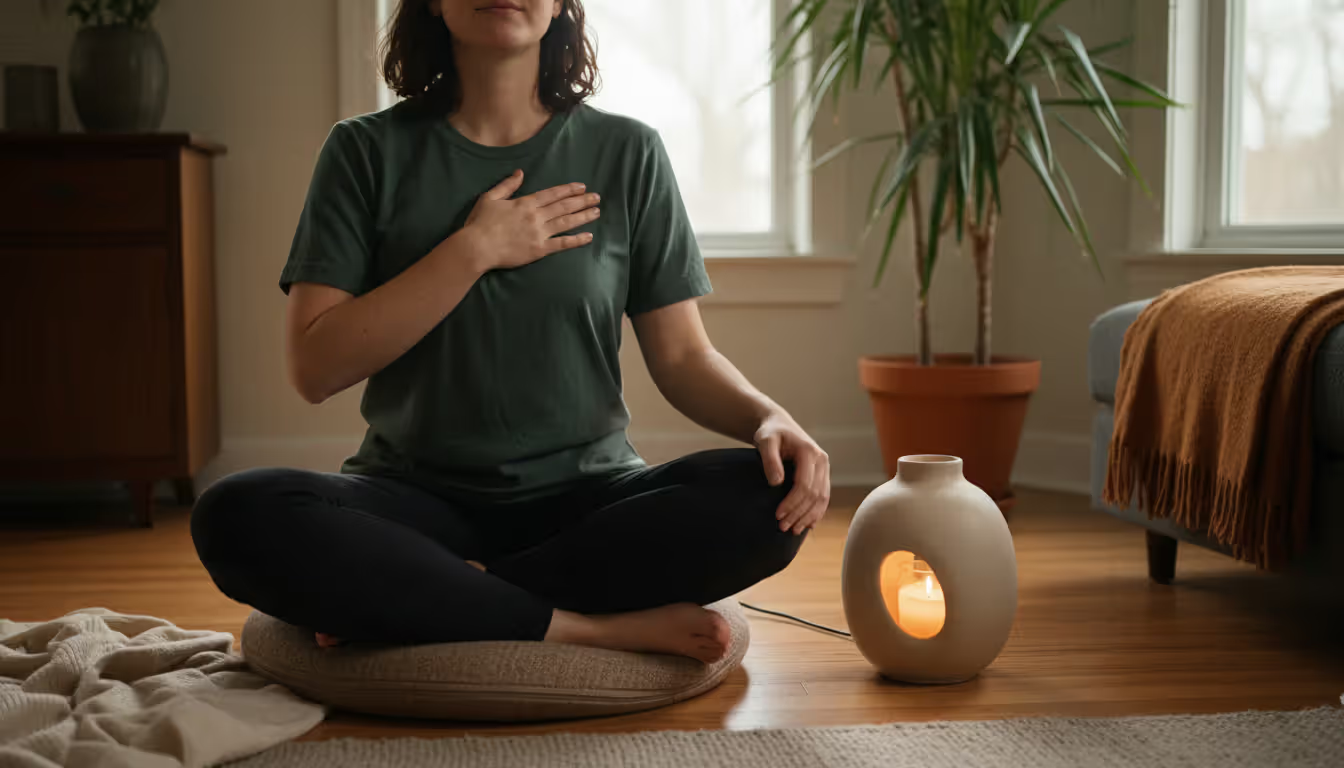
A typical self-compassion exercise might involve recalling a specific difficult situation, acknowledging the pain it caused, recognizing that everyone struggles sometimes, and offering yourself comfort through supportive words or physical gestures (like placing a hand over your heart).
When to use each: If you're dealing with acute shame, self-criticism, or feelings of failure, targeted self-compassion work might address the immediate wound more effectively. The focused attention meets you where you're hurting.
If you're experiencing anger toward others, social disconnection, or general negativity, the full loving kindness progression works better because it addresses the relational dimension of suffering. By including difficult people and all beings, you're working with the interpersonal aspects.
How they complement each other: Most practitioners alternate or combine both approaches. You might do full metta meditation three times weekly while using brief self-compassion practices as needed when stressful situations arise. The skills reinforce each other—genuine self-compassion makes authentic goodwill toward others easier to access, and practicing universal loving kindness naturally includes yourself in that circle.
Here's how these practices compare with related approaches:
Practice Type
Primary Focus
Core Technique
Best For
Typical Time Commitment
Loving Kindness Meditation
Developing universal goodwill toward all beings
Silently repeating well-wishing phrases while visualizing yourself, loved ones, neutral people, difficult people, then all beings
Dissolving anger, increasing social connection, building empathy capacity
15-30 minutes
Self-Compassion Meditation
Kind self-relation during hardship
Acknowledging your suffering, remembering shared human imperfection, offering yourself kindness
Shame spirals, harsh self-judgment, perfectionism, recovering from mistakes
5-15 minutes
Mindfulness Meditation
Non-judgmental present-moment awareness
Observing breath, bodily sensations, thoughts as they arise without trying to change them
Stress reduction, training attention, managing anxiety
10-45 minutes
Tonglen Practice
Transforming suffering into compassion
Visualizing breathing in others' pain, breathing out relief and healing
Advanced practitioners working skillfully with intense suffering
15-30 minutes
Gratitude Practice
Appreciating positive life aspects
Writing down or mentally noting things you're thankful for
Depression, negativity bias, increasing life satisfaction
5-10 minutes
Common Mistakes and How to Overcome Them
Forcing feelings: The biggest error is treating this like an emotional performance you need to ace. You repeat the phrases while simultaneously grading yourself on whether you feel sufficiently warm or compassionate. This self-monitoring creates tension that actually blocks natural goodwill from arising.
Fix it this way: Remember you're planting seeds, not forcing flowers to bloom instantly. Some sessions feel mechanical or empty—completely normal. The neurological changes happen through repetition regardless of whether any particular session feels blissful. Trust the process instead of evaluating every moment.
Author: Sophie Ellington;
Source: 5sensesspa.com
Rushing through stages: Our efficiency-obsessed culture encourages racing through the phrases like checking boxes on a to-do list. This defeats the entire purpose. The phrases serve as vehicles for cultivating genuine intention, not magic words that work faster when said quickly.
Fix it this way: Deliberately slow down. Pause between each phrase. When you notice you've been rushing (and you will), just return to a more deliberate pace without criticizing yourself. Quality of attention matters infinitely more than quantity of repetitions.
Skipping self-compassion: People with strong caregiving tendencies often want to jump straight to helping others. The self-directed stage feels uncomfortable or selfish. But this creates a shaky foundation—you genuinely can't draw water from an empty well.
Fix it this way: Recognize that including yourself isn't narcissistic; it's essential infrastructure. If the traditional phrases feel too awkward, try alternatives like "May I be kind to myself" or "May I accept myself as I am." The resistance typically softens with practice.
Choosing a difficult person too soon: Selecting your abusive ex-partner or toxic family member for stage four when you're just beginning usually backfires. The resentment runs too deep, and you end up rehearsing grievances instead of cultivating compassion.
Fix it this way: Start with someone mildly irritating—a colleague who talks too much in meetings or the person who always takes your parking spot. Build your capacity with manageable challenges before tackling deeply painful relationships. Some people might never be appropriate subjects for your practice, and that's perfectly acceptable.
Dealing with resistance: Boredom, skepticism, or emotional numbness sometimes shows up. Your mind wanders constantly. The whole thing feels pointless.
Fix it this way: This is completely normal, especially initially. The resistance itself provides useful information about your habitual patterns. Notice it without making it a problem. If your mind wanders fifty times, you've got fifty opportunities to practice returning your attention. Consider temporarily shortening your sessions rather than abandoning the practice entirely.
Loving kindness meditation doesn't make us love everyone equally or pretend harmful behavior is acceptable. It allows us to see more clearly, to recognize our common ground with all beings, and to free ourselves from the exhausting burden of carrying around resentment and judgment
— Sharon Salzberg
Frequently Asked Questions About Loving Kindness Meditation
How long should I practice loving kindness meditation?
Beginners get sufficient benefit from 10-15 minutes daily to build the habit and start experiencing changes. Research demonstrating significant psychological improvements typically involves 15-30 minute sessions five to seven days weekly for at least eight weeks. That said, even five minutes offers value—consistency beats duration every time. Many experienced practitioners settle into 20-30 minute sessions as a sustainable long-term rhythm.
Can beginners do loving kindness meditation?
Absolutely yes. Zero prior meditation experience required. The structured format with specific phrases actually makes it easier for some beginners than open awareness practices like mindfulness. You've got clear instructions about where to direct your attention and what to do when you get there. Start with shorter sessions and the basic four phrases. You can add complexity later as familiarity grows.
What if I don't feel anything during the practice?
Completely normal and doesn't indicate you're doing it wrong. Loving kindness meditation works through repetition and intention, not manufacturing specific emotions on command. Some sessions feel warm and connected. Others feel mechanical or blank. Both types benefit you. The neurological changes occur regardless of your subjective experience during any given session. Just keep showing up without demanding particular feelings.
Is loving kindness meditation religious?
The practice originates from Buddhist traditions, but modern secular versions require no religious belief or affiliation whatsoever. You're not praying to any deity or accepting theological propositions. The technique functions as psychological training that happens to have ancient roots. Many practitioners integrate it with existing faith traditions (Christian, Jewish, Muslim, etc.), while others approach it as purely secular wellbeing practice. Use whatever framing feels authentic to your situation.
Can loving kindness meditation help with anxiety?
Yes, research documents significant anxiety reduction, particularly for social anxiety. The practice addresses several factors that maintain anxiety: it reduces self-focused attention and rumination, increases feelings of safety and social connection, and activates the parasympathetic nervous system (your body's calming response). For generalized anxiety, combining loving kindness with mindfulness practices often provides the most comprehensive benefit. It's not a replacement for professional treatment in clinical cases, but serves as an effective complementary approach.
How is metta different from mindfulness meditation?
Mindfulness cultivates non-judgmental awareness of present-moment experience—you observe thoughts, sensations, and emotions without trying to change them. Metta actively generates specific positive mental states through directed intention and phrase repetition. Mindfulness is receptive; metta is generative. Both develop concentration and self-awareness, just through different mechanisms. Many practitioners use both, sometimes within the same session—beginning with mindfulness to settle attention, then transitioning to metta practice.
Loving kindness meditation provides a systematic method for developing one of humanity's most valuable capacities: maintaining goodwill even when circumstances challenge you. The practice doesn't require becoming unrealistically positive or ignoring genuine harm people cause. Instead, it trains your mind to respond with compassion rather than reactivity, to recognize shared humanity beneath surface differences, and to include yourself in the circle of beings deserving kindness.
The benefits extend beyond your cushion into daily interactions, relationships, and internal dialogue. Research confirms what practitioners have known for centuries—regularly cultivating metta changes how you relate to yourself and others in measurable, meaningful ways.
Start simply. Ten minutes with the basic phrases directed toward yourself and one other person. Notice what happens without demanding dramatic transformation. The practice works quietly, reshaping mental habits through patient repetition. Give it eight weeks of consistent practice before evaluating its impact on your life.
Whether you're drawn to the traditional Buddhist framework or prefer a completely secular approach, the essential mechanism remains identical: you're training your mind toward goodwill, one phrase and one session at a time. In a world that often emphasizes division and competition, this practice offers a quiet rebellion—the radical act of wishing all beings, including yourself, genuine wellbeing.
Vedic meditation is a mantra-based practice from ancient India that uses silent sound vibrations to help the mind settle naturally. Practitioners sit comfortably for twenty minutes twice daily, silently repeating a personalized mantra. The technique requires no belief system or lifestyle changes
Transcendental Meditation requires formal instruction through a standardized course. This guide explains the four-session training structure, personalized mantra assignment, costs, and why TM can't be self-taught from books or apps
Discover how mindfulness walking meditation transforms ordinary steps into a powerful practice for calming the mind and grounding the body. This comprehensive guide covers techniques, benefits, different styles, and practical tips for beginners and experienced practitioners alike
Discover practical meditation techniques that interrupt anxiety's grip on your nervous system. From box breathing for immediate calm to body scan meditation for physical tension, learn evidence-based methods with step-by-step instructions that work when you need them most
The content on this website is provided for general informational and educational purposes only. It is intended to explain concepts related to meditation, mindfulness, mental health, and spiritual practices.
All information on this website, including articles, guides, and examples, is presented for general educational purposes. Meditation outcomes may vary depending on individual practices, health conditions, and guidance.
This website does not provide medical, mental health, or spiritual advice, and the information presented should not be used as a substitute for consultation with qualified professionals.
The website and its authors are not responsible for any errors or omissions, or for any outcomes resulting from decisions made based on the information provided on this website.