Insight meditation transforms how you experience your own mind. Unlike practices that calm through concentration on a single object, this ancient technique trains you to observe reality as it unfolds—breath by breath, sensation by sensation, thought by thought. The method comes from a 2,500-year-old Buddhist tradition, yet it requires no religious belief. You simply learn to see clearly what's already happening in your body and mind.
Most people start vipassana with good intentions but unclear direction. They sit down, close their eyes, and wonder what exactly they should be doing. This guide walks you through the specific techniques, breathing methods, and practice steps that make insight meditation accessible, even if you've never meditated before.
What Is Insight Meditation?
Insight meditation is the English term for vipassana, a Pali word meaning "to see things as they really are." The practice originated in the Theravada Buddhist tradition of Southeast Asia, where monks and laypeople have used it for centuries to develop direct understanding of impermanence, suffering, and the nature of self.
What is vipassana in practical terms? It's a systematic method of mental training that develops awareness of your present-moment experience. Instead of trying to achieve a particular state of mind, you observe whatever arises—pleasant sensations, unpleasant emotions, racing thoughts, or calm stillness—without trying to change it.
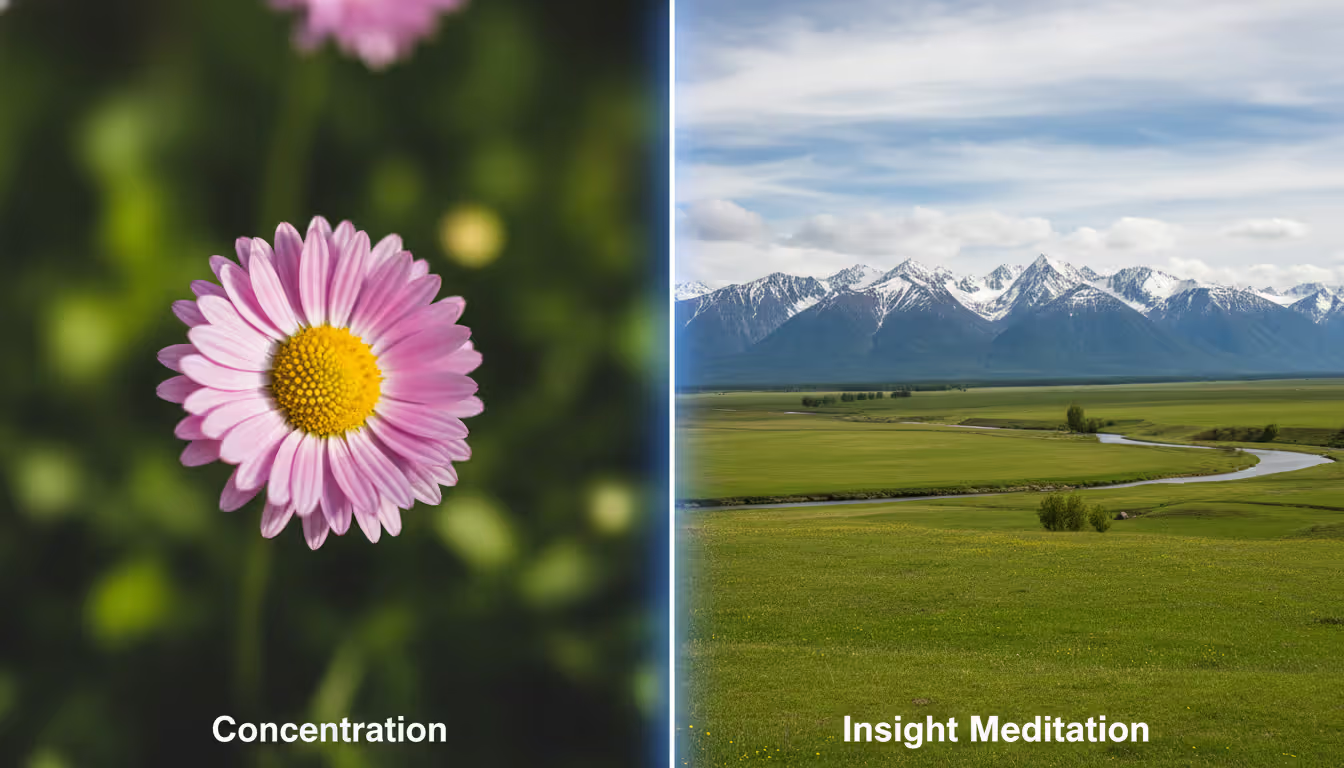
Vipassana meditation differs fundamentally from concentration practices. Concentration meditation (samatha) trains your mind to focus steadily on one object: a mantra, a candle flame, or the breath at a single point. This builds mental stability and calm. Insight meditation uses that stability as a foundation but then expands awareness to investigate the changing nature of all experience.
Think of concentration as zooming in with a camera until one object fills the frame. Insight meditation zooms back out, maintaining clear focus while observing the entire landscape of your experience. Both skills matter, but they serve different purposes.
The vipassana technique spread to the West primarily through teachers like S.N. Goenka, who established retreat centers worldwide, and through the Insight Meditation Society founded by Joseph Goldstein, Jack Kornfield, and Sharon Salzberg in 1975. These teachers adapted traditional intensive practices for modern students while preserving the core methodology.
Author: Lena Ashcroft;
Source: 5sensesspa.com
How Insight Meditation and Mindfulness Work Together
Mindfulness and vipassana share the same Pali root word: sati, meaning awareness or attention. Mindfulness is the quality of mind you cultivate—present-moment awareness without judgment. Vipassana is the formal practice that systematically develops this quality.
The relationship works like this: mindfulness vipassana uses moment-to-moment attention to investigate the three characteristics the Buddha identified—impermanence (everything changes), unsatisfactoriness (clinging causes suffering), and non-self (there's no fixed, unchanging "you" controlling experience). You're not just being present; you're examining how experience actually works.
Here's where confusion often arises. Popular mindfulness apps and programs teach awareness techniques drawn from vipassana but often strip away the investigative element. They might guide you to notice your breath or body sensations, which is valuable. True vipassana goes further: you observe how sensations arise and pass away, how your mind reacts to them, and what patterns repeat.
Vipassana and mindfulness aren't competing approaches. Mindfulness describes the mental quality; vipassana provides the training method. When you practice vipassana, you're building mindfulness muscle through repeated observation of your direct experience.
A useful analogy: mindfulness is like having good posture, while vipassana is the exercise routine that develops the strength and awareness to maintain that posture naturally throughout your day.
Core Vipassana Technique and Breathing Method
The vipassana breathing method differs from pranayama or other breath control techniques. You don't manipulate your breath—you observe it exactly as it occurs naturally. This distinction matters because trying to breathe "correctly" creates tension and pulls you away from direct observation.
Start by noticing where you feel breath most clearly: nostrils, chest, or abdomen. Many beginners find the rising and falling of the abdomen easiest to track. Place your attention there and notice the actual sensations—tightness, expansion, movement, warmth. You're not thinking about breathing; you're feeling the raw sensations that breathing creates.
Your breath will change on its own—sometimes deep, sometimes shallow, sometimes irregular. Each variation is fine. Your job is to notice what's happening, not to make it happen a certain way. This non-interfering awareness forms the foundation of all vipassana practice.
Body Scanning in Vipassana Practice
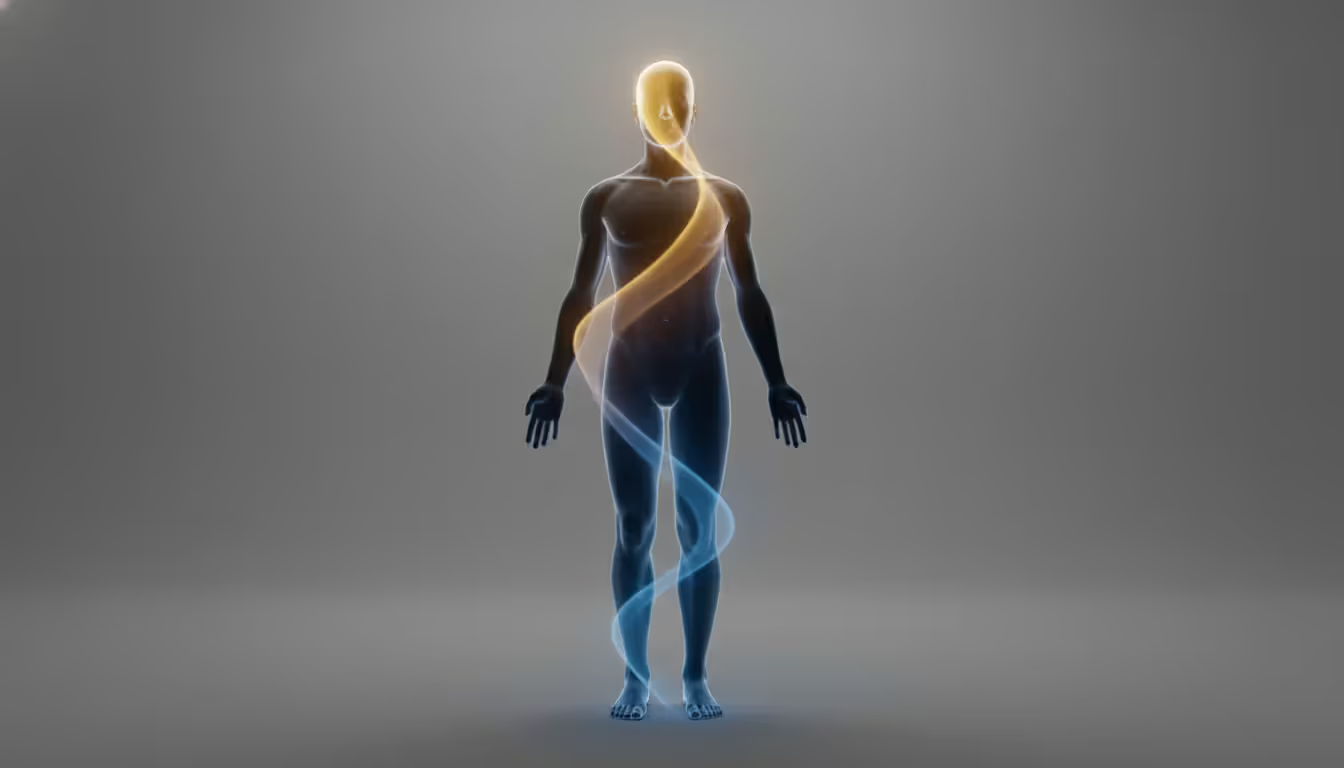
Body scanning extends breath awareness throughout your entire body. You systematically move attention from head to feet (or feet to head), observing sensations in each area.
The technique works like this: after establishing breath awareness, shift attention to the top of your head. Notice any sensations—tingling, pressure, warmth, coolness, tightness, or perhaps nothing at all. Absence of sensation is also a valid observation. Spend 30-60 seconds with each body region, then move to the next: forehead, eyes, jaw, neck, shoulders, and so on.
You'll encounter areas with strong sensations and areas that feel blank or numb. Both teach you something. Strong sensations reveal how your mind reacts—does it grasp at pleasant feelings or push away uncomfortable ones? Blank areas show how easily attention wanders when there's nothing compelling to notice.
The scan isn't about relaxation, though that may occur. You're training your mind to sustain attention and observe the constantly changing nature of bodily experience. A tight shoulder doesn't stay exactly the same from moment to moment—the intensity fluctuates, the location shifts slightly, the quality transforms. This direct perception of change is the insight that gives vipassana its name.
Author: Lena Ashcroft;
Source: 5sensesspa.com
Working with Sensations and Observations
The instruction "observe without judgment" sounds simple but proves challenging in practice. Your mind has spent decades judging, comparing, and reacting. When you sit down to meditate, those habits don't vanish.
Here's what actually happens: you notice a pain in your knee. Immediately, thoughts arise: "This shouldn't hurt. I must be sitting wrong. Maybe I'm not flexible enough for meditation. This is unbearable. Should I move?" Each thought is a judgment or reaction, not pure observation.
Working with sensations means catching that cascade of reactions and returning to the bare experience: throbbing, pressure, heat, sharpness. Those are sensations. Everything else is mental commentary.
This doesn't mean you never adjust your posture. If pain becomes intense, move mindfully, observing the intention to move, the movement itself, and the new sensations that follow. The practice continues through the adjustment.
Pleasant sensations deserve equal attention. When you notice comfort or ease, watch how your mind wants to hold onto it, to make it last. That grasping is as instructive as the aversion to pain. Both reveal the mind's constant attempt to control experience rather than simply knowing it.
Step-by-Step Vipassana Practice for Beginners
Step 1: Choose Your Posture
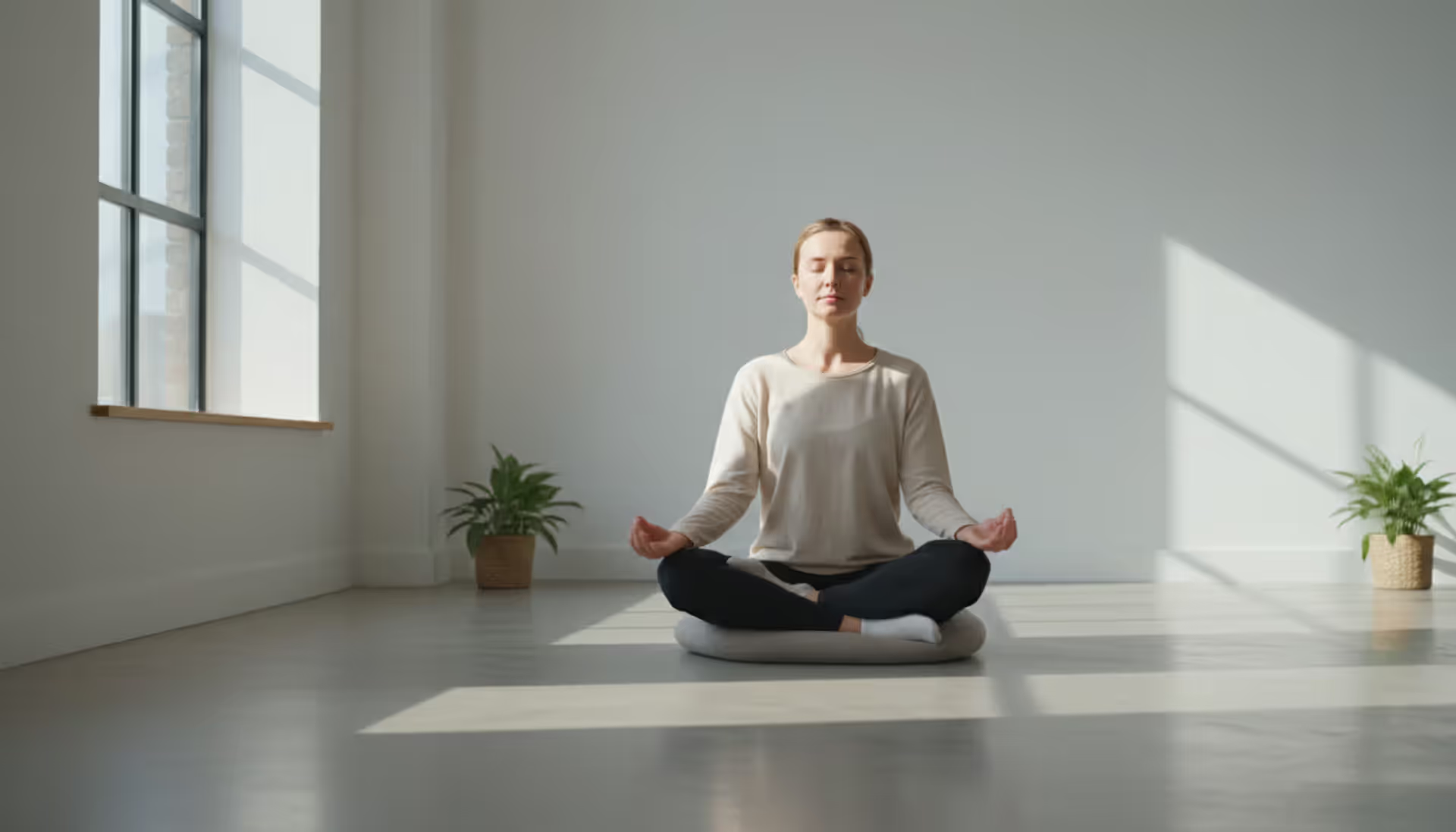
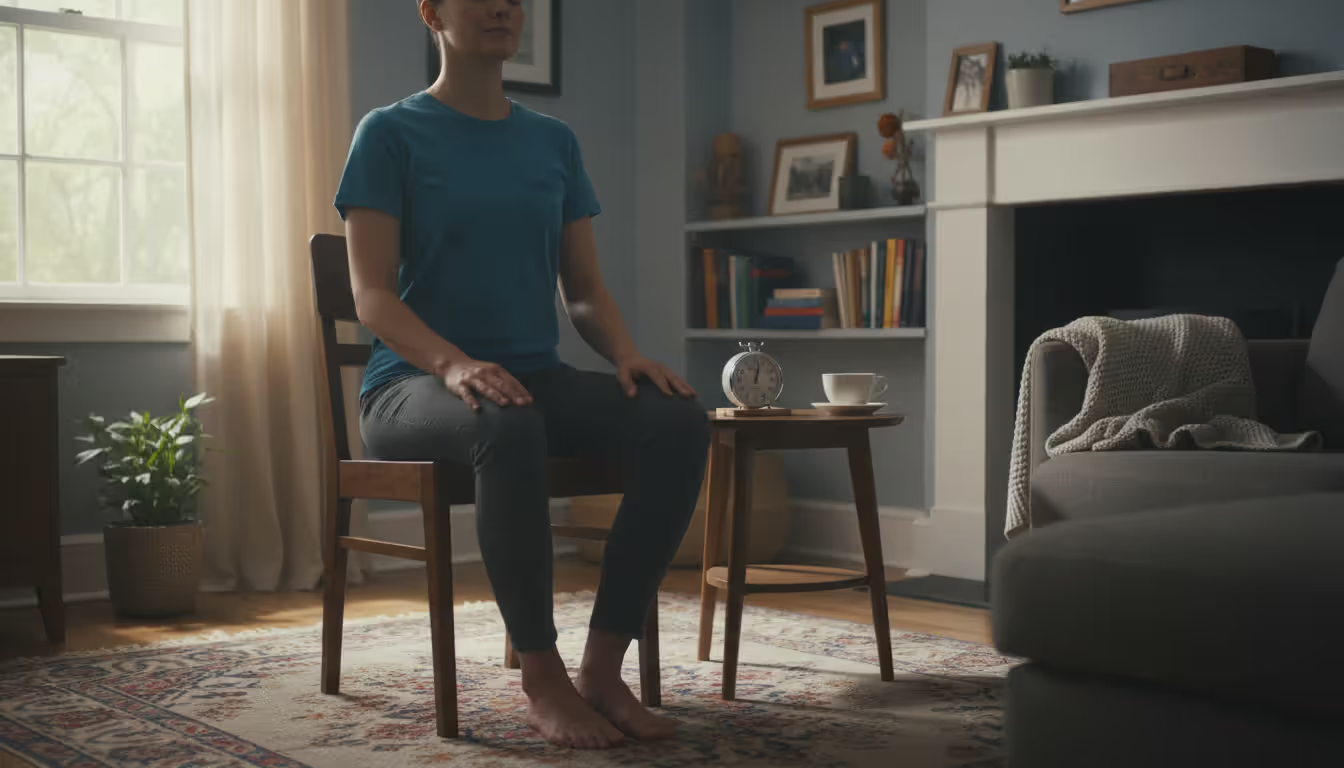
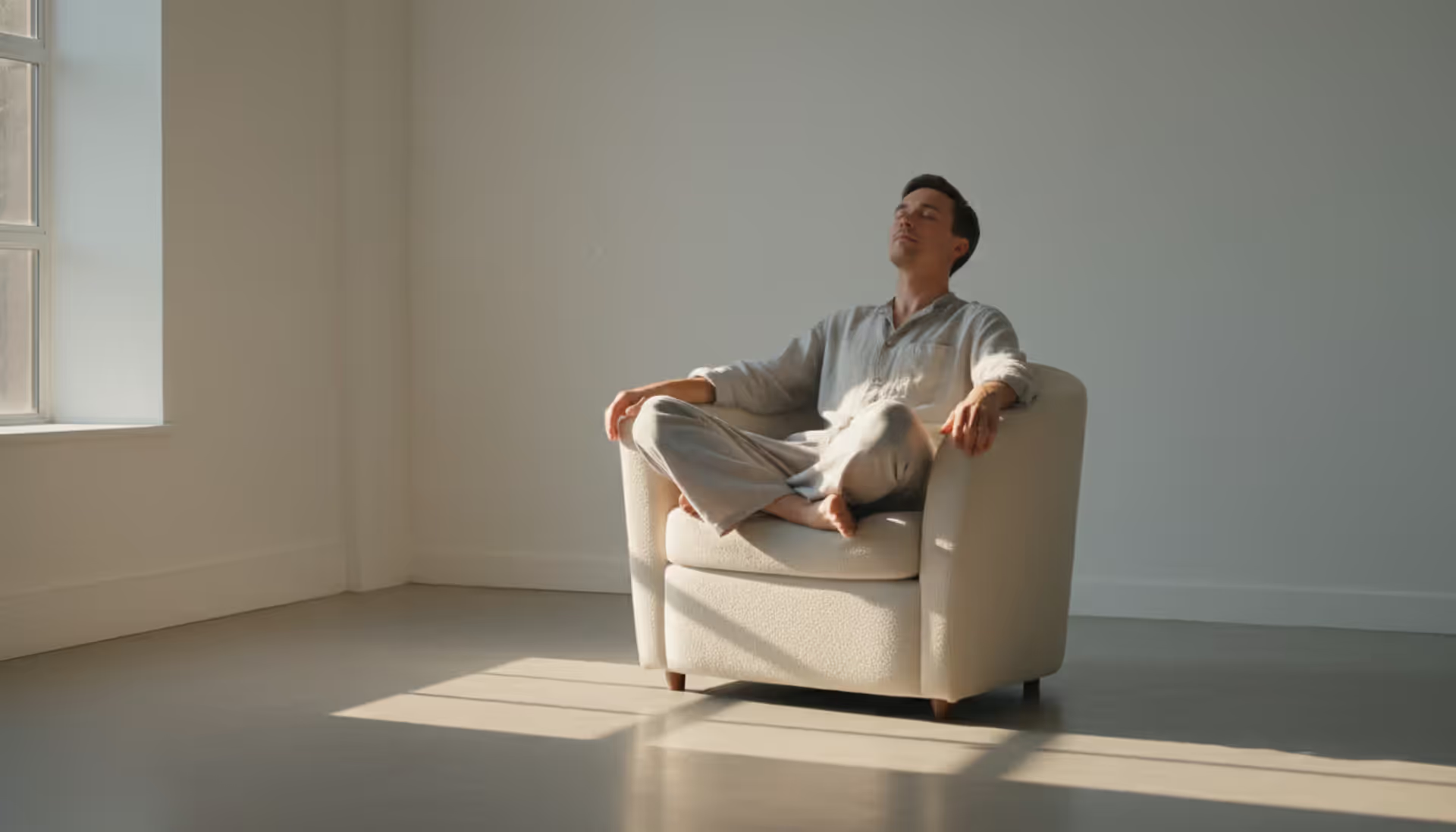
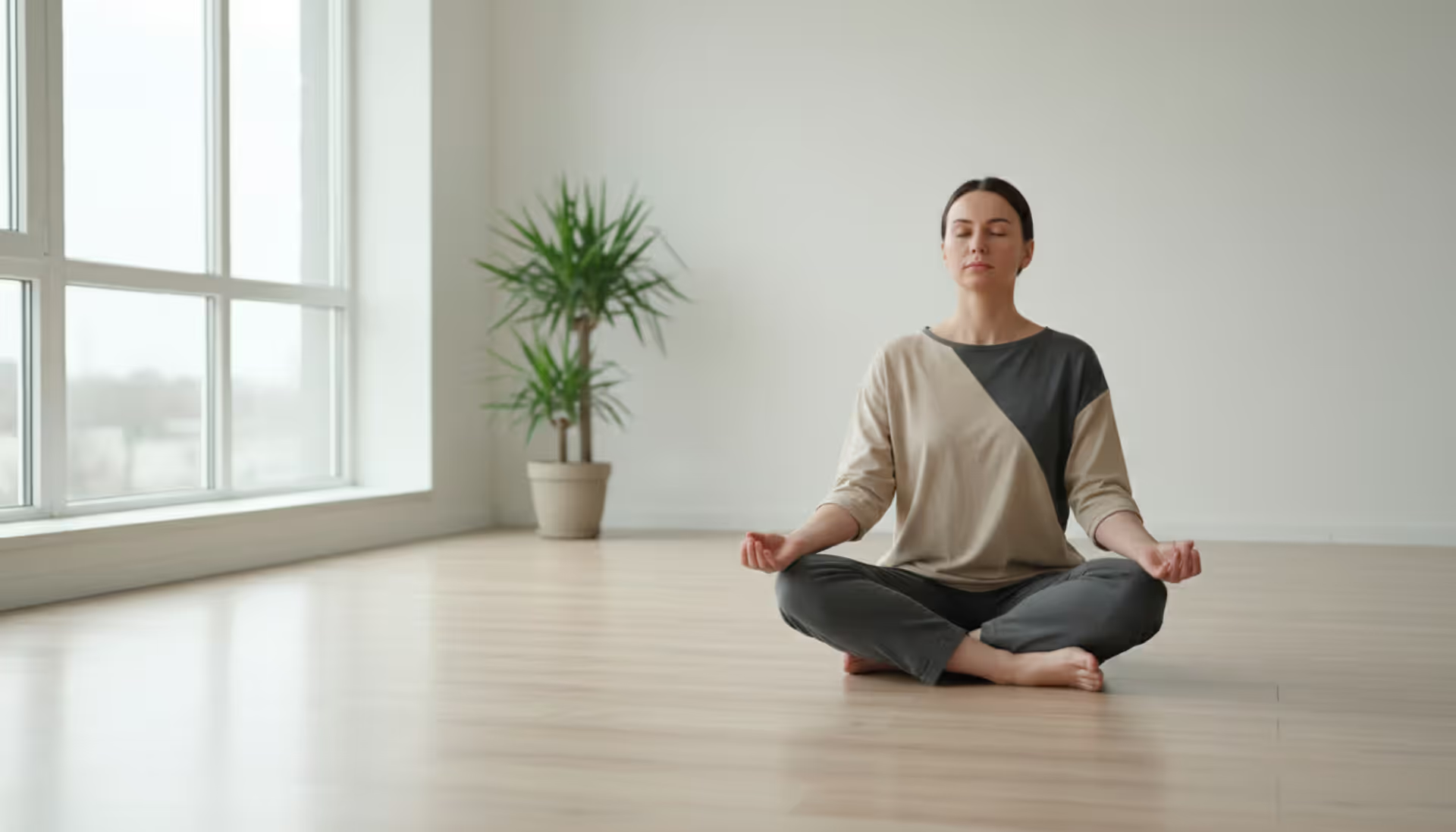
Sit in a position you can maintain for 20-30 minutes. A cushion on the floor works well if you're comfortable cross-legged. A chair is equally valid—plant your feet flat on the floor, sit upright without leaning back. The key is a straight spine that doesn't require muscular effort to maintain. Lying down often leads to sleep, so save that for body scans specifically designed for rest.
Step 2: Set a Realistic Duration
Begin with 15-20 minutes. Shorter sessions done consistently build the practice better than ambitious hour-long attempts that you abandon after a week. Use a gentle timer—nothing jarring that will spike your nervous system when it sounds.
Step 3: Establish Breath Awareness
Close your eyes. Take three deliberate breaths to settle in. Then let your breathing return to its natural rhythm. Find where you feel breath most clearly—nostrils, chest, or belly—and rest your attention there. Notice the sensations of one complete breath: in-breath, pause, out-breath, pause. Then the next breath.
Step 4: Work with Wandering Attention
Your mind will wander within seconds. You'll notice you've been thinking about dinner, a conversation, or your to-do list. This is normal, not failure. The moment you realize you've wandered, you're already back. Note "thinking" silently, then return to breath sensations. This return is the practice—you'll do it hundreds of times.
Step 5: Expand to Body Sensations
After 5-10 minutes with the breath, widen your awareness to include your whole body. Notice whatever sensations are most prominent: contact points with the floor or chair, temperature, tingling, tension. Let your attention move naturally to whatever calls it, observing each sensation for several breaths before moving on.
Step 6: Include Mental Experiences
As you continue, you'll notice that sounds, emotions, and thoughts also arise in awareness. Rather than treating these as interruptions, observe them the same way you observe sensations. A thought appears, you notice "thinking," and it fades. An emotion of frustration arises, you notice "frustration," and watch it shift. You're not suppressing anything—you're recognizing mental events as objects of awareness, just like breath or body sensations.
Step 7: End Mindfully
When your timer sounds, don't jump up immediately. Take a minute to notice your mental state. Open your eyes slowly. Notice how the room looks, how your body feels. This transition matters—you're learning to carry observation into daily life.
Author: Lena Ashcroft;
Source: 5sensesspa.com
Common Mistakes When Starting Vipassana
Expecting Immediate Peace
Many beginners sit down expecting meditation to deliver instant calm. When they encounter restlessness, boredom, or intensified awareness of discomfort, they conclude they're doing it wrong. Vipassana often makes things more vivid before it makes them more peaceful. You're removing the usual distractions that mask underlying mental patterns. Those patterns become visible, which can feel uncomfortable.
The practice isn't about feeling good; it's about seeing clearly. Peace often develops over time, but it's a byproduct, not the goal.
Trying Too Hard
Effort in meditation requires a light touch. You need enough energy to sustain attention but not so much that you create tension. Beginners often clench their jaw, hold their breath slightly, or furrow their brow in concentration. This straining produces headaches and exhaustion.
The instruction is to observe, not to grab your experience and wrestle it into submission. If you notice tension accumulating, relax your face, soften your belly, and return to simple noticing.
Inconsistent Practice
Sitting for an hour once a week builds less skill than 15 minutes daily. Your nervous system learns through repetition. Daily practice, even brief, creates the neural patterns that make meditation feel more natural. Sporadic long sessions feel like starting from scratch each time.
Comparing Your Experience
You'll read about people having profound insights or blissful states. Your practice might feel mundane—just you, your breath, and your wandering mind. This is exactly where most people spend most of their practice time. Dramatic experiences happen occasionally, but the real transformation occurs through thousands of ordinary moments of returning attention to present experience.
Avoiding Discomfort
Physical discomfort during sitting is normal. Your body isn't accustomed to stillness. The practice is to observe discomfort without immediately reacting. This doesn't mean sitting through injury—sharp, intensifying pain requires adjustment. But the dull ache in your back or the restlessness in your legs often shifts or dissolves when you observe it with patient attention rather than immediately moving.
Building a Sustainable Vipassana Practice
Author: Lena Ashcroft;
Source: 5sensesspa.com
Daily practice forms the backbone of skill development. Fifteen minutes every morning creates more progress than hour-long sessions twice a month. Choose a time when you're alert enough to maintain attention but not so wound up that sitting still feels impossible. Early morning works for many people; others prefer evening after work demands have settled.
Create a consistent spot for practice. This doesn't require a dedicated meditation room—a corner of your bedroom or a chair in your living room works fine. The repetition of place helps your mind settle into practice mode more quickly.
For the first month, stick with 15-20 minutes daily. After that, extend to 30 minutes if your schedule allows. Longer isn't automatically better—quality of attention matters more than duration. Thirty minutes of sustained observation beats an hour of drowsy drifting.
Books and apps provide useful guidance, but direct instruction accelerates learning. Look for local insight meditation groups or centers offering introductory classes. Experienced teachers spot common obstacles you might not recognize and offer specific adjustments to your technique.
Retreats intensify practice in ways home sitting cannot. A typical vipassana retreat involves 5-10 days of silence, sitting and walking meditation for 10-12 hours daily, and minimal external stimulation. This concentration of practice reveals patterns that take months to notice in daily 30-minute sessions.
That said, don't wait for a retreat to start practicing. Build your home practice first. After six months of daily sitting, a retreat becomes far more productive because you've developed basic skills in sustaining attention and working with discomfort.
As your practice matures, you'll notice awareness beginning to extend beyond formal sitting. You might catch yourself observing irritation as it arises during a difficult conversation, or noticing the sensations of anxiety in your chest before it spirals into worry. This integration into daily life indicates that vipassana is working—you're developing the capacity to see clearly in real time, not just on the cushion.
Mindfulness is not just about knowing that you're hearing something, seeing something, or even observing that you're having a particular feeling. It's about doing so in a certain way—with balance and equanimity, and without judgment. Mindfulness is the quality of mind which notices what is present, without judgment, without interference
— Joseph Goldstein
Frequently Asked Questions About Vipassana
How long should I practice vipassana as a beginner?
Start with 15-20 minutes daily for the first month. This duration is short enough to fit into most schedules but long enough to encounter the challenges that build skill—wandering attention, physical discomfort, and restlessness. After a month of consistent practice, extend to 30 minutes. Some people eventually practice for an hour or more, but duration matters less than regularity and quality of attention.
Can I practice vipassana without attending a retreat?
Yes. Daily home practice develops genuine insight and skill. Retreats offer concentrated practice that accelerates learning, but they're not mandatory for beginners. Build a foundation with home practice first. After six months to a year of regular sitting, a retreat becomes more valuable because you've developed basic skills in sustaining attention and working with the challenges that arise.
What's the difference between vipassana and transcendental meditation?
Transcendental meditation (TM) is a concentration practice using a mantra—a specific sound or phrase you repeat silently. The repetition calms the mind and can produce relaxed, transcendent states. Vipassana uses no mantra. Instead, you observe the changing nature of breath, sensations, thoughts, and emotions. TM aims for a state beyond thought; vipassana aims for clear seeing of how thoughts, sensations, and mental processes actually work.
Is it normal to feel discomfort during vipassana practice?
Physical discomfort—back pain, knee pain, restlessness—is common, especially when starting. Your body isn't accustomed to sustained stillness. Mental discomfort—boredom, frustration, anxiety—is equally normal. Vipassana removes the usual distractions that mask these experiences, making them more vivid. The practice is to observe discomfort without immediately reacting. This doesn't mean sitting through injury; adjust your posture if pain is sharp or intensifying. But ordinary aches and restlessness often shift when you observe them with patient attention.
How soon can I expect results from vipassana meditation?
Most people notice increased awareness of their mental patterns within 2-4 weeks of daily practice. You might catch yourself reacting with irritation and recognize it as it's happening rather than after the fact. Deeper changes—reduced reactivity, greater equanimity, insight into the nature of experience—develop over months and years. Vipassana isn't a quick fix. It's a training method that produces cumulative effects through consistent practice.
This quality of balanced observation changes how you relate to your entire life. You begin to see that thoughts are just thoughts—they arise, exist briefly, and pass away. Emotions follow the same pattern. Even physical pain, when observed rather than resisted, reveals itself as a constellation of changing sensations rather than a solid block of suffering.
The practice doesn't eliminate difficult experiences. You'll still encounter frustration, anxiety, physical discomfort, and loss. Vipassana changes your relationship to these experiences. Instead of being swept away by them or struggling against them, you develop the capacity to observe them clearly, understand their nature, and respond with wisdom rather than blind reaction.
Starting vipassana meditation requires no special equipment, no particular beliefs, and no dramatic lifestyle changes. You need a place to sit, 15-20 minutes, and willingness to observe your experience as it actually is rather than as you wish it would be.
The practice reveals itself slowly. Your first sessions might feel awkward or frustrating. Your mind will wander constantly. You'll wonder if you're doing it right. These experiences are normal—they're part of the practice, not obstacles to it.
What matters is showing up consistently. Sit tomorrow. Notice your breath. Observe sensations. Watch thoughts arise and pass. Return your attention when it wanders. Do this again the next day, and the day after that.
Over time, you'll develop a capacity for clear seeing that extends far beyond your meditation cushion. You'll recognize reactivity as it begins rather than after it's taken hold. You'll notice the space between stimulus and response, the moment where choice becomes possible. You'll understand, through direct experience rather than intellectual concept, that everything changes—and that this constant change, when clearly seen, liberates rather than threatens.
The path of insight meditation is walked one breath at a time. Begin where you are. The practice will meet you there.
Loving kindness meditation cultivates unconditional goodwill toward yourself and others through specific phrases and mental imagery. Originating from Buddhist metta practices, this technique systematically expands compassion from self to all beings, offering measurable mental and physical health benefits
Vedic meditation is a mantra-based practice from ancient India that uses silent sound vibrations to help the mind settle naturally. Practitioners sit comfortably for twenty minutes twice daily, silently repeating a personalized mantra. The technique requires no belief system or lifestyle changes
Transcendental Meditation requires formal instruction through a standardized course. This guide explains the four-session training structure, personalized mantra assignment, costs, and why TM can't be self-taught from books or apps
Discover how mindfulness walking meditation transforms ordinary steps into a powerful practice for calming the mind and grounding the body. This comprehensive guide covers techniques, benefits, different styles, and practical tips for beginners and experienced practitioners alike
The content on this website is provided for general informational and educational purposes only. It is intended to explain concepts related to meditation, mindfulness, mental health, and spiritual practices.
All information on this website, including articles, guides, and examples, is presented for general educational purposes. Meditation outcomes may vary depending on individual practices, health conditions, and guidance.
This website does not provide medical, mental health, or spiritual advice, and the information presented should not be used as a substitute for consultation with qualified professionals.
The website and its authors are not responsible for any errors or omissions, or for any outcomes resulting from decisions made based on the information provided on this website.