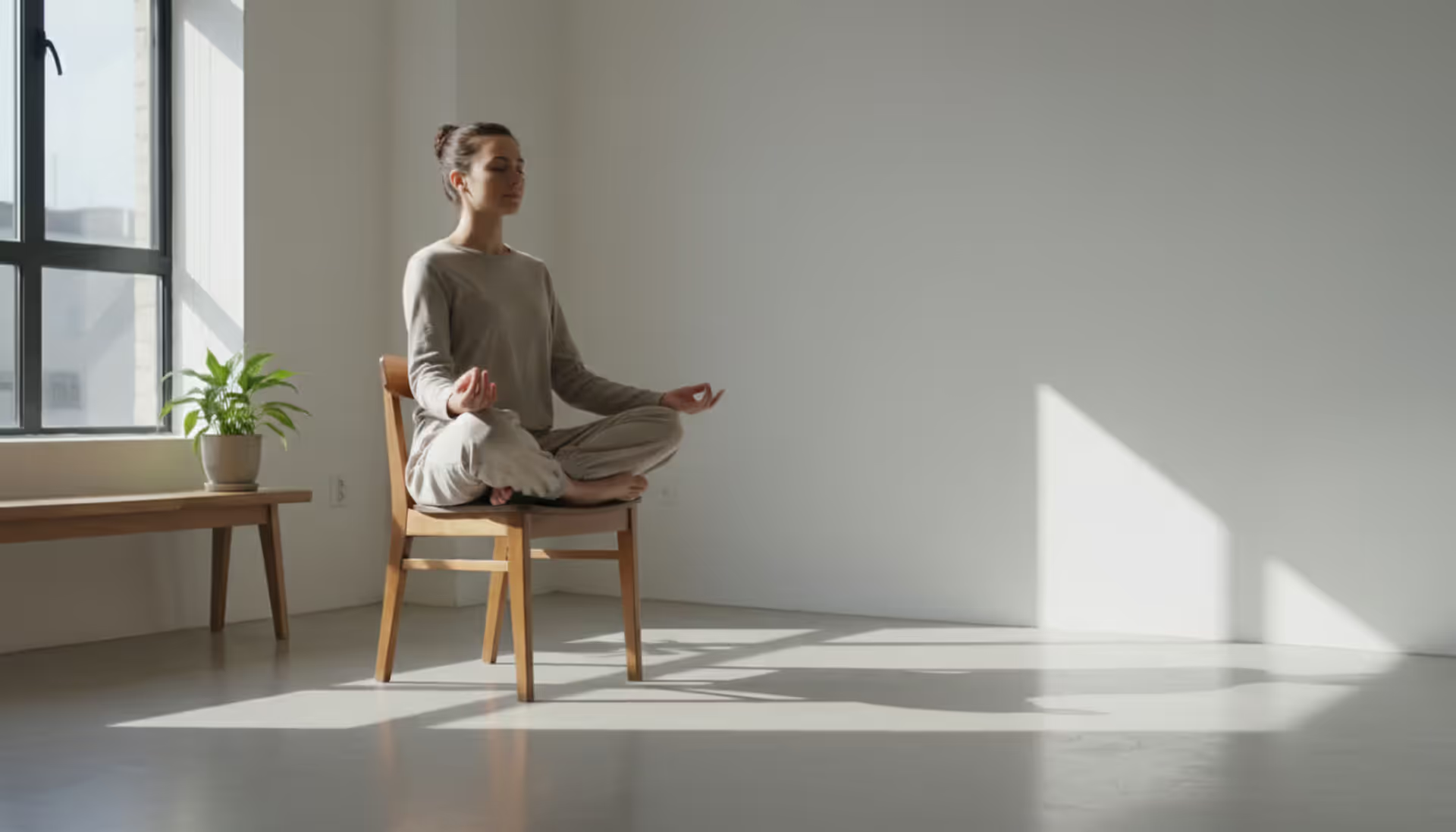
Person sitting on a simple wooden chair in a bright minimalist room with soft morning light, eyes closed, hands resting on knees, relaxed natural meditation posture
Think meditation requires incense, flexible hips, and an hour of free time? None of that's true. It's more like learning to ride a bike—awkward at first, but surprisingly accessible once someone shows you the basics. If you've wanted to try but didn't know where to start, here's everything broken down without the mysticism.
Why Meditation Matters for Beginners
Let's talk about what actually happens when you grasp meditation basics for beginners. Johns Hopkins researchers analyzed 47 meditation studies and found something concrete: eight weeks of practice produced measurable brain changes. The prefrontal cortex (your brain's planning and focus center) developed denser gray matter. Meanwhile, the amygdala—think of it as your brain's alarm system—actually got smaller.
What does this mean for your Tuesday afternoon? Better sleep. Sharper focus during that 3 PM meeting. Less snapping at your partner when you're stressed. These aren't vague promises; they're documented outcomes.
Here's what sold me on meditation: it puts breathing room between what happens and how you react. Somebody cuts you off in traffic. Normally, anger fires instantly. With practice, there's this tiny pause where you can think, "Do I want to let this ruin my morning?" That gap is worth its weight in gold.
And unlike juice cleanses or expensive gym memberships, this costs nothing and works with any schedule.
What You Need Before Your First Session
Starting a beginning meditation practice takes less gear than making coffee. Seriously. Here's the actual list:
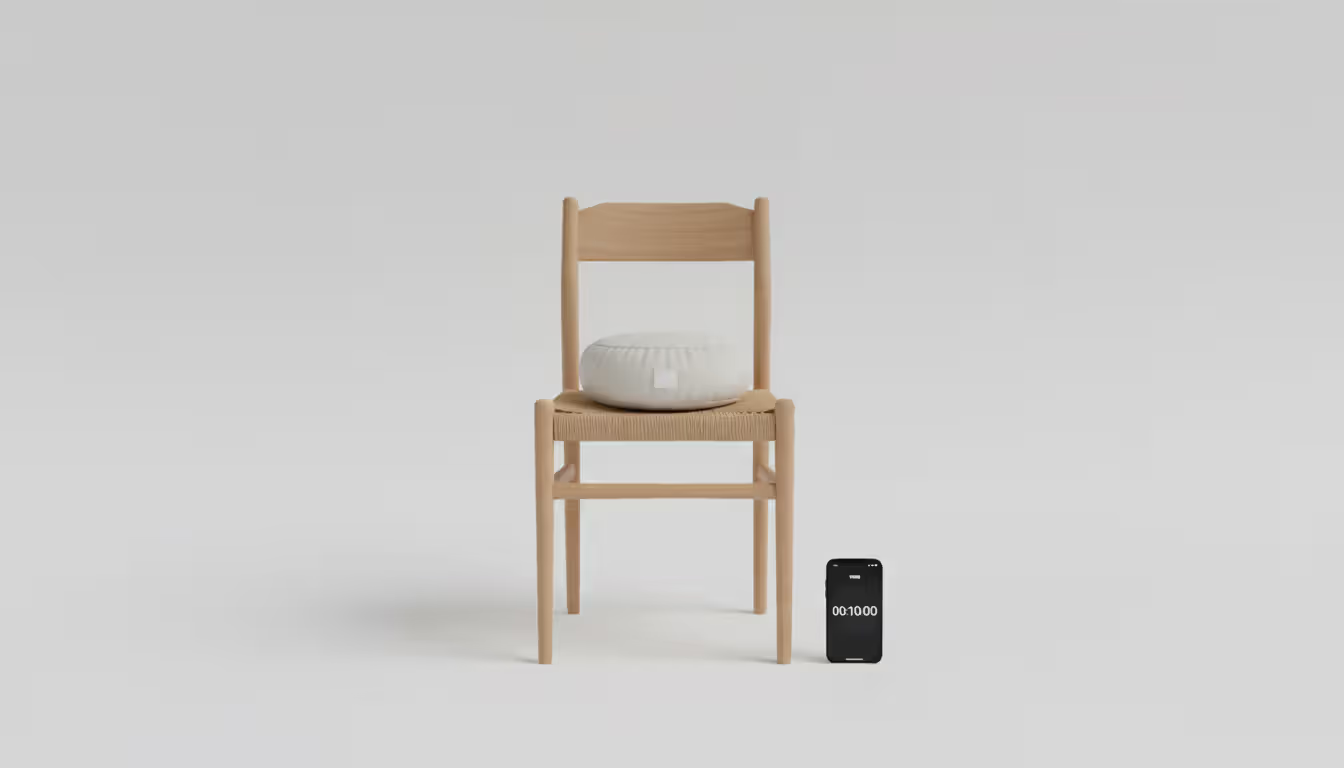
Somewhere to park yourself. Kitchen chair? Great. Couch? Perfect. Bed? Works, though you might doze off. The floor with a pillow under your butt? Also fine. No special cushions required.
Five minutes. Not 30. Not an hour. Five. The "you need tons of time" myth kills more practices than anything else.
Your phone as a timer. Flip it to airplane mode first. Otherwise you'll get a text three minutes in and lose your focus.
Lower expectations. Your mind won't go blank. You'll feel fidgety. Some days will seem worthless. This is standard, not a sign you're broken.
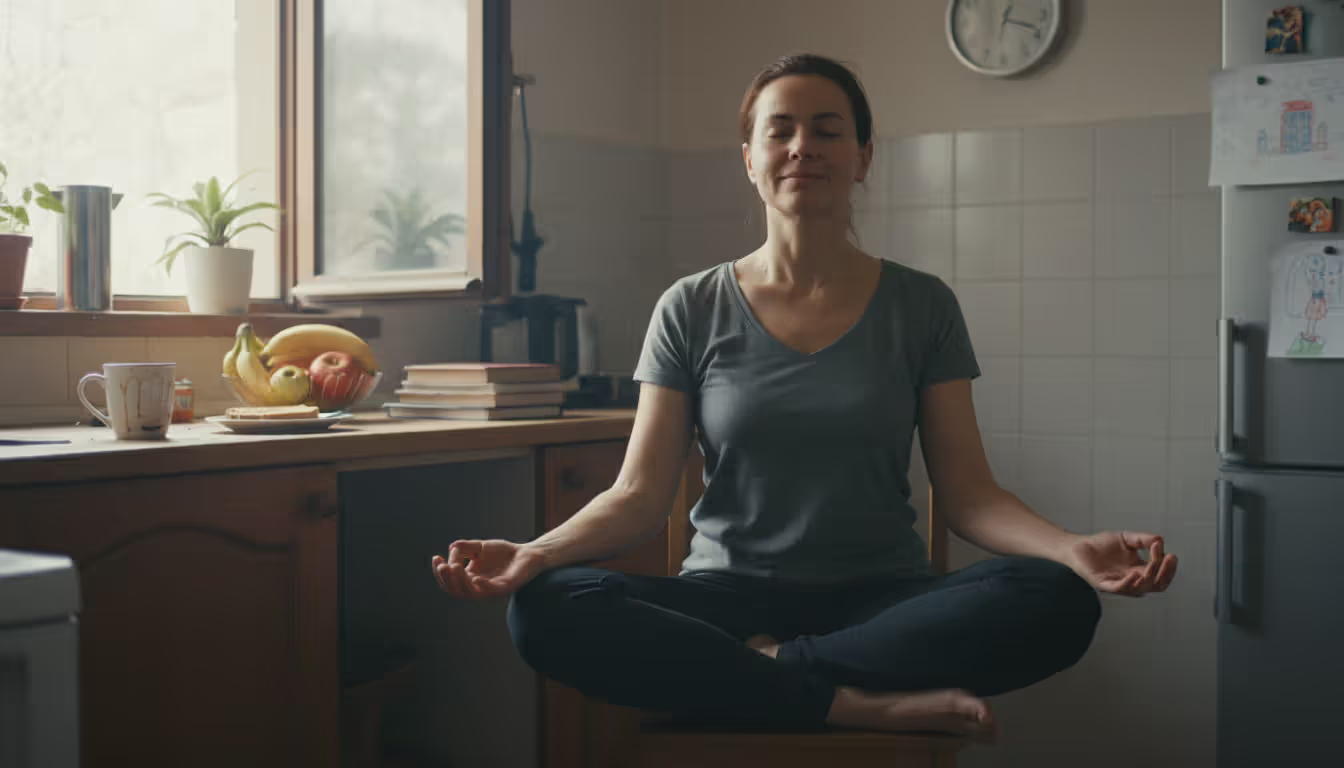
One student told me she waited six months for her house to get quiet enough to meditate. Spoiler: it never did. Her kids kept being kids. The neighbor's dog kept barking. She finally started practicing anyway and realized something crucial—meditation isn't about achieving silence. It's about noticing noise without letting it hijack your attention.
Waiting for perfect conditions means never starting.
How to Meditate Properly: Step-by-Step Instructions
Learning how to meditate properly boils down to three things: where you sit, how you breathe, and where your mind goes. Let's tackle each one.
Finding Your Posture
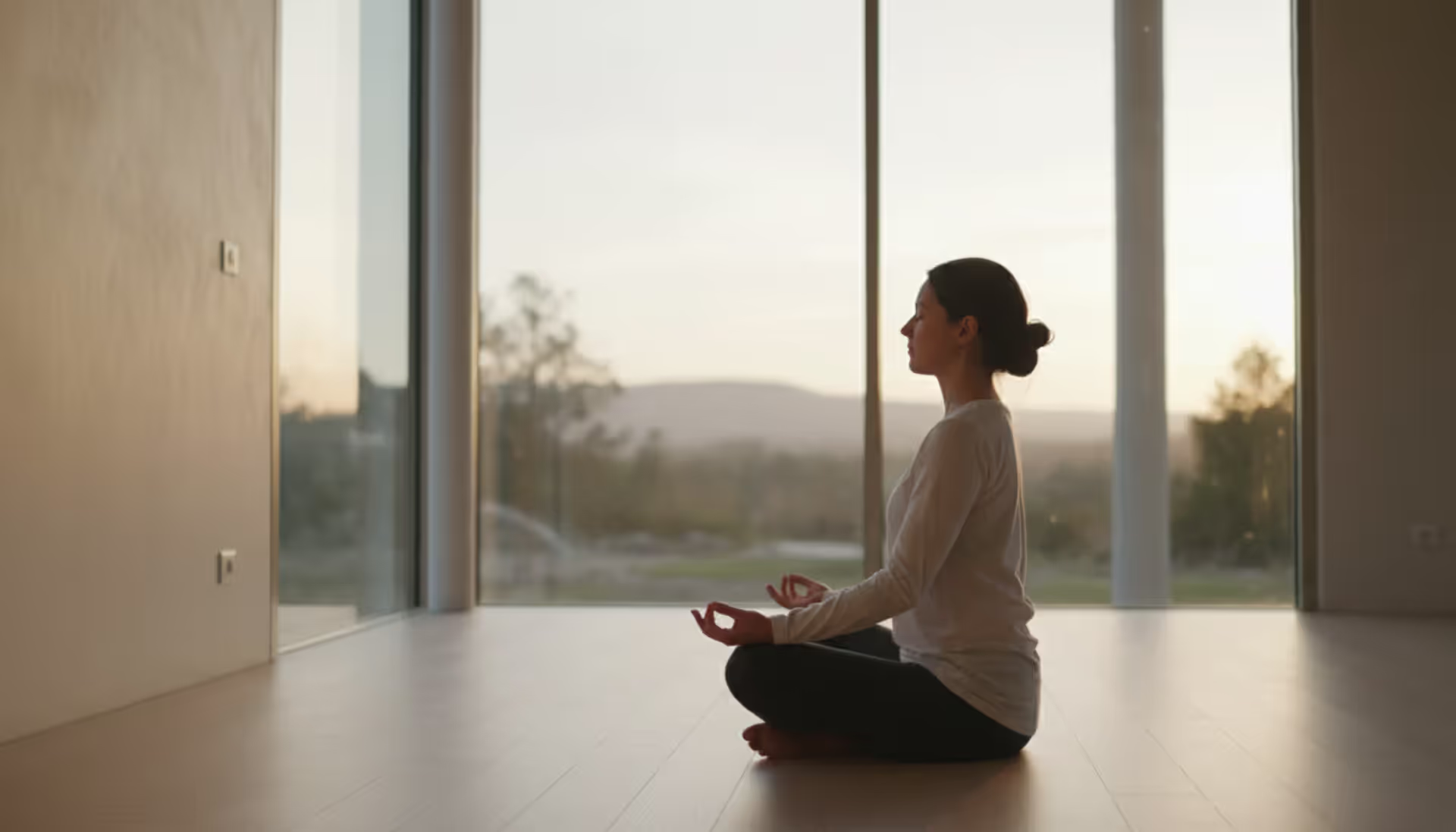
Pick a position you can hold for several minutes without cramping. In a chair? Both feet flat on the ground, back not touching the backrest if you can manage it. On the floor? Cross your legs however feels stable—forget about lotus position unless you're already flexible.
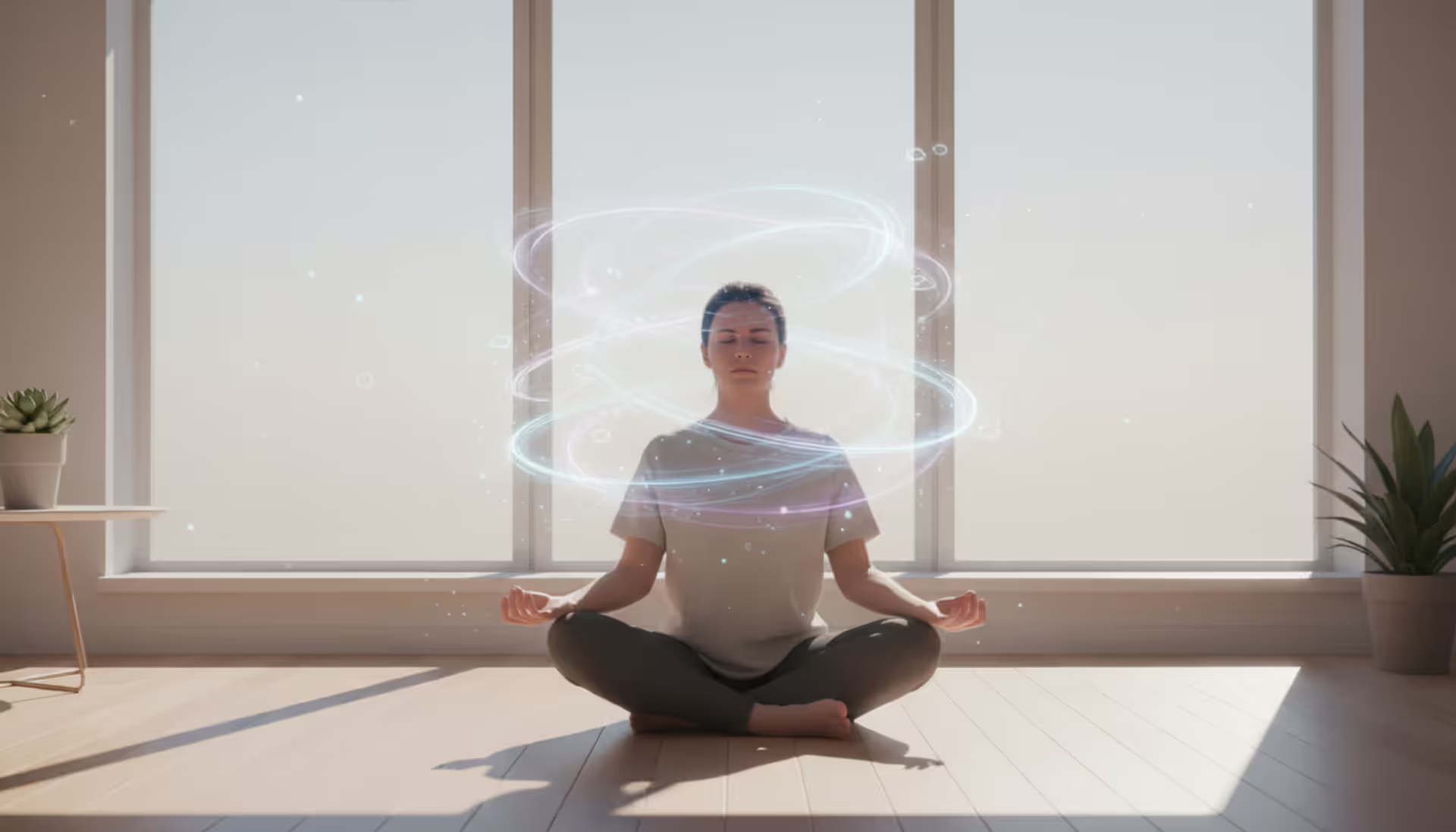
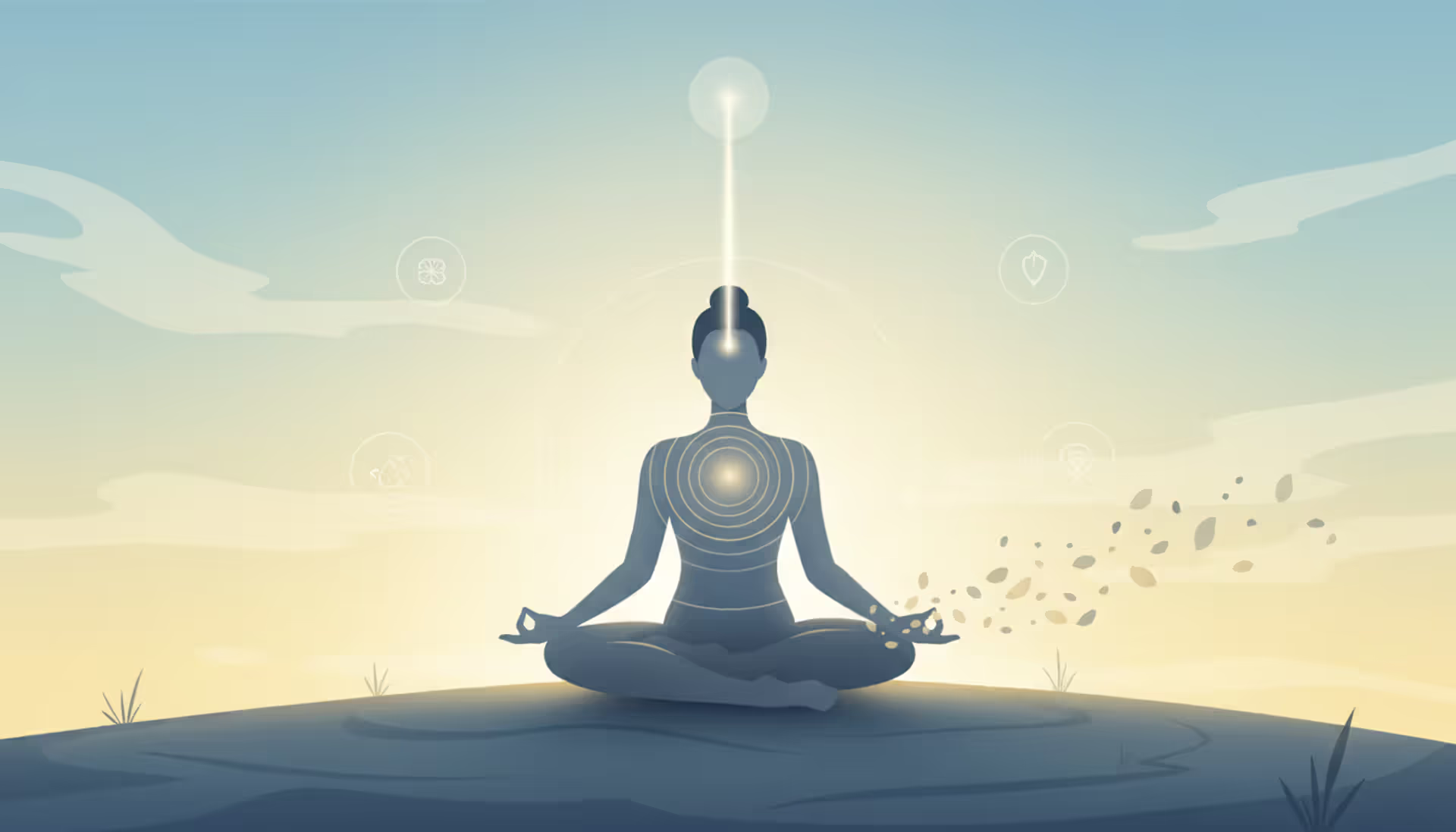
Keep your spine fairly straight without being military-rigid. Picture a balloon tied to the top of your head, gently lifting you upward. Drop your shoulders down and back slightly. Hands go on your thighs or folded in your lap—whatever's comfortable.
You're aiming for what I call "relaxed alertness." Slump too much and you'll nod off. Sit too stiffly and you'll create tension in your neck and shoulders. Think of sitting like you're having an important conversation—present but not stressed.
Author: Caleb Montrose;
Source: 5sensesspa.com
How to Breathe When Meditating
Here's the secret that confuses everyone at first: breathe like you normally do.
Don't force deep breaths. Don't count to four on the inhale and eight on the exhale (unless you're doing a specific technique that requires it). Just let your body breathe itself while you watch. Notice the cool air through your nostrils. The tiny pause between breaths. The warmer air flowing out. The way your belly or chest shifts.
When you catch yourself thinking, "Am I breathing right? Should this be deeper?" you've stopped observing and started controlling. Happens to everyone. Just go back to watching whatever breath is already happening—shallow, deep, smooth, irregular, all acceptable.
If "just watch your breath" feels too abstract, try this: count "one" breathing in, "two" breathing out, up to ten, then restart. Gives your mind a concrete job without forcing an artificial rhythm.
What to Do While Meditating
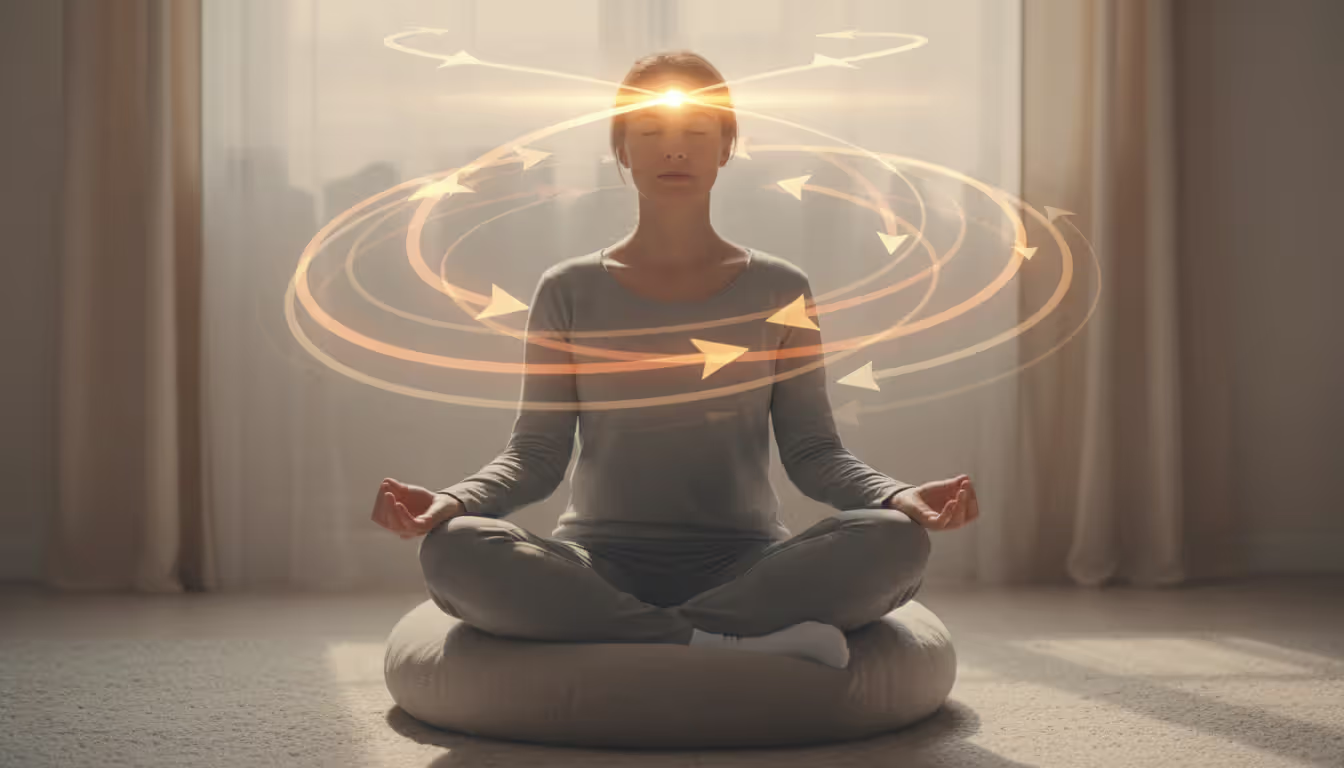
Here's the honest answer about what to do while meditating: focus on your breath, notice when your attention wanders (which happens constantly), then guide it back. Repeat about 200 times per session. That's it.
Your mind will drift to your grocery list, that weird thing you said in 2015, tomorrow's presentation, an itch on your ankle, whether you locked the car. This isn't you failing. This is literally the practice. Noticing you've drifted and coming back—that moment right there is where the work happens.
Think of it like strength training. Each time you bring your attention back, you're doing one rep. Getting mad about your wandering mind is like getting frustrated that you have to lift the weight more than once. The wandering is the weight.
Author: Caleb Montrose;
Source: 5sensesspa.com
Some days your mind will be relatively calm. Other days it'll feel like trying to herd cats during a thunderstorm. Both types of sessions count. Success isn't measured by how peaceful you feel but by how many times you notice you've drifted and return anyway.
Starting a Meditation Practice: Your First Week
Knowing how to start meditating differs from actually doing it daily. Here's a week-by-week plan that accounts for real life.
Days 1-3: Five minutes, same time daily. Mornings work great because your day hasn't piled up yet. Right after waking, before touching your phone, sit and breathe for five minutes. Will it feel weird? Probably. Do it anyway.
Days 4-5: Add two minutes if five felt doable. If five minutes felt endless, stay there. This isn't a race. Notice whether morning, lunch, or evening fits your actual schedule better.
Days 6-7: Reality check time. Did you practice daily? If not, what blocked you—kids, meetings, exhaustion? Adjust your plan based on actual obstacles, not the ideal scenario where everything goes perfectly.
People always ask about how to meditate for 5 minutes effectively. Here it is: set timer, sit down, watch breath, notice wandering, redirect attention, repeat until timer sounds. Done. Five minutes of actual practice beats three hours of "I really should meditate" guilt.
The secret to starting a meditation practice isn't finding the perfect technique. It's showing up. Brief daily sessions build habits far faster than occasional marathon sits. Your brain starts recognizing the pattern. Eventually, sitting to meditate feels as automatic as brushing your teeth before bed.
Meditation is simply about being curious about what's happening in your mind and body. You don't need any special equipment, beliefs, or abilities. If you can breathe and notice that you're breathing, you can meditate
— Dr. Judson Brewer
Common Mistakes When Learning to Meditate
When you learn to meditate, you'll probably hit these speed bumps. Knowing they're coming helps.
Wanting instant zen. People sit down expecting immediate calm, then quit after one jumpy session. Reality check: meditation often reveals mental chaos before settling it. You're not creating the chaos—you're finally noticing what was already there.
Rating every session. Stop labeling meditations "good" or "bad." A session where you wrestled with your wandering mind for ten straight minutes but kept redirecting? Excellent practice. A session that felt dreamy and peaceful but where you basically spaced out? Less useful for training attention.
Only meditating in crisis mode. Using meditation exclusively when you're stressed is like only exercising when you're sick. Regular practice during normal times builds capacity you can draw on during hard ones.
Trying to blank your mind. You can't force yourself to stop thinking. That's like trying to stop your stomach from digesting. Meditation changes your relationship with thoughts—you watch them without automatically believing them or following them down rabbit holes.
Quitting after missing days. You'll skip sessions. Life happens. When it does, just start again. Missing three days (or three weeks) doesn't ruin anything. Each time you sit counts, regardless of what happened before.
Author: Caleb Montrose;
Source: 5sensesspa.com
Letting discomfort win. Knee pain, backaches, or restless legs make people quit too soon. Shift positions. Use a chair instead of the floor. Try a pillow under your hips to tilt your pelvis forward. Meditation involves some stillness, sure, but it shouldn't injure you.
Simple Meditation Techniques for Beginners
Different methods click with different people. Here are five beginner-friendly options:
Technique
Works Well For
Time Investment
Learning Curve
What You Focus On
Breath Awareness
Developing basic attention
5-10 min
Easy to start
Natural breathing sensations
Body Scan
Releasing tension, improving sleep
10-20 min
Easy to start
Moving awareness through body regions
Guided Meditation
People who want structured instruction
10-15 min
Very easy
Voice-led directions
Mantra Meditation
Calming repetitive thoughts
10-20 min
Moderately easy
Repeating chosen word or phrase
Walking Meditation
Those who find sitting frustrating
10-15 minutes
Easy to start
Physical sensations while moving
Breath awareness is what we covered earlier—watching your natural breathing pattern and redirecting attention when it wanders off.
Body scan means moving your attention systematically through your body, maybe starting at your toes and working up to your head. You're noticing whatever sensations exist in each area—tension, warmth, tingling, nothing—without attempting to fix or change anything. Works great before sleep.
Guided meditation uses apps or recordings where someone walks you through the process step-by-step. Provides structure for people who feel lost in unguided practice. Insight Timer, Calm, and Headspace all offer free beginner sessions.
Mantra meditation involves quietly repeating a word—"calm," "peace," or traditional Sanskrit mantras—in sync with your breathing. The word serves as an attention anchor, similar to breath in breath awareness.
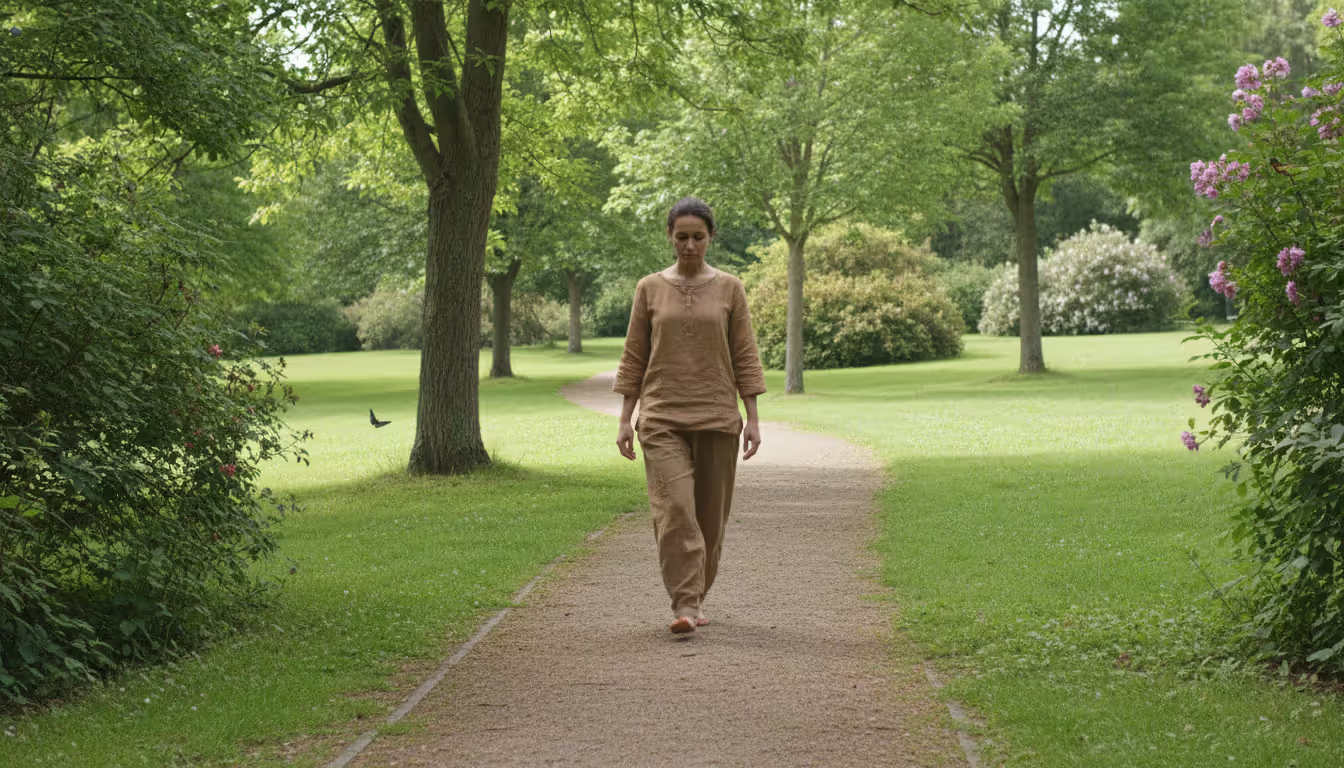
Walking meditation means walking deliberately and slowly, paying close attention to lifting each foot, moving it forward, placing it down. Great for people with restless energy who find sitting meditation torturous.
Try each approach at least three times before deciding. Your preference might shift over time or vary based on what you need that day.
Author: Caleb Montrose;
Source: 5sensesspa.com
Frequently Asked Questions About Beginning Meditation
What's the right amount of time for beginners?
Five minutes daily. Short enough that you won't skip it, long enough to actually practice redirecting your wandering attention multiple times. After two solid weeks of five-minute sessions, bump up to seven or ten. Most long-time practitioners settle around 15-20 minutes, but five minutes done every day destroys twenty minutes done randomly.
My mind won't stop wandering—am I broken?
Nope, you're human. Research shows the average person's mind wanders about 47% of their waking hours. During meditation, you're simply catching this tendency in action instead of unconsciously following every mental detour. Even people who've meditated for decades deal with wandering minds. They've just practiced the redirect thousands more times than you have.
Is the cross-legged position required?
Not even slightly. Sit however you can stay alert and reasonably comfortable for several minutes. Chairs work perfectly. If you prefer the floor, use cushions to support your knees and lift your hips higher than your knees. Cross-legged sitting isn't superior—it's just traditional in certain parts of the world. What matters: reasonably upright spine, no unnecessary pain.
When should I meditate—morning, noon, or night?
Whenever you'll actually do it consistently. Mornings offer advantages: fewer distractions, less decision fatigue, clearer mind. You also set a positive tone before your day accumulates stress. But if mornings are chaotic with kids and commutes, lunchtime or evening works fine. Some people meditate before bed to transition into sleep, though drowsiness can interfere. Test different times for a week each and see what sticks.
What about lying down?
You can, but most beginners fall asleep flat on their backs. Lying down works better for body scan meditation or when physical issues prevent sitting. For building attention and awareness, sitting upright maintains the alertness you need. If you do lie down, keep your eyes half-open or bend your knees with feet flat to reduce the odds of dozing off.
How do I know this is working?
If you're sitting, attempting to focus on something specific (breath, mantra, body sensations), catching yourself when your mind wanders, and bringing attention back without beating yourself up, it's working. There's no special feeling that confirms you're "doing it right." Some sessions feel peaceful. Others feel agitated. Some are boring. Others interesting. All count as successful meditation if you're practicing the core skill of training attention.
Building a meditation practice doesn't demand perfection. Just persistence. The five minutes you sit tomorrow outweigh the ideal thirty-minute routine you plan but never execute.
Start simple: pick the same time and place, commit to five minutes, practice daily for seven days. Use breath awareness unless another technique strongly appeals to you. Miss a day? Resume the next day without elaborate excuses or self-criticism.
This practice works through accumulation, not magic moments. Each session builds slightly more familiarity with how your mind operates, slightly more ability to notice thoughts without being yanked around by them, and slightly more capacity to stay present instead of lost in mental storylines.
You don't need to become a "meditator" or add it to your identity. You're learning a skill that makes navigating daily life a bit easier. Some days it'll feel valuable. Other days it'll feel like a pointless chore. Both reactions are normal. Keep sitting anyway and let the results prove themselves over weeks and months, not after each individual session.
Your meditation practice is now as straightforward as sitting down and breathing. The rest? Just details.
Meditation produces measurable changes in brain structure, nervous system function, and emotional regulation. Learn what meditation actually does, common reasons people start practicing, and science-backed benefits for mental and physical health that explain why millions now meditate regularly
Meditation has a reputation for being simple: sit down, close your eyes, breathe. Yet anyone who's tried it knows the reality feels nothing like that tidy description. Your legs ache, your mind races through grocery lists and old arguments, and the promised calm seems reserved for people who aren't you
Meditation didn't emerge from a single moment of invention. Archaeological evidence places the earliest practices at roughly 5,000 to 7,000 years ago, with wall art from the Indus Valley showing figures in meditative postures. The practice developed across multiple civilizations independently
Meditation falls into three research-backed categories: focused attention, open monitoring, and self-transcending. Understanding this framework helps you choose from 12 common techniques based on your goals, experience level, and lifestyle rather than getting lost in endless options
The content on this website is provided for general informational and educational purposes only. It is intended to explain concepts related to meditation, mindfulness, mental health, and spiritual practices.
All information on this website, including articles, guides, and examples, is presented for general educational purposes. Meditation outcomes may vary depending on individual practices, health conditions, and guidance.
This website does not provide medical, mental health, or spiritual advice, and the information presented should not be used as a substitute for consultation with qualified professionals.
The website and its authors are not responsible for any errors or omissions, or for any outcomes resulting from decisions made based on the information provided on this website.