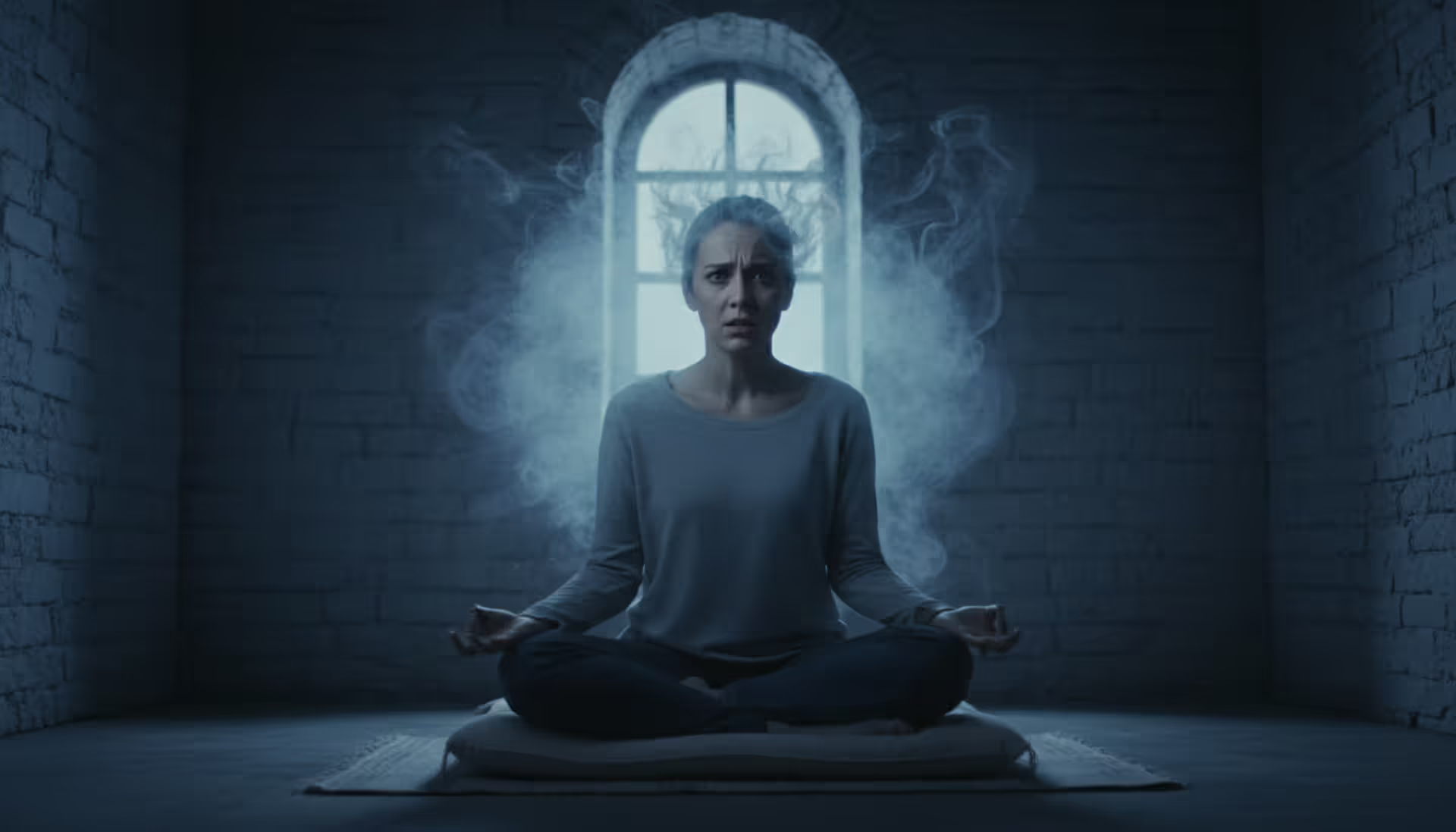
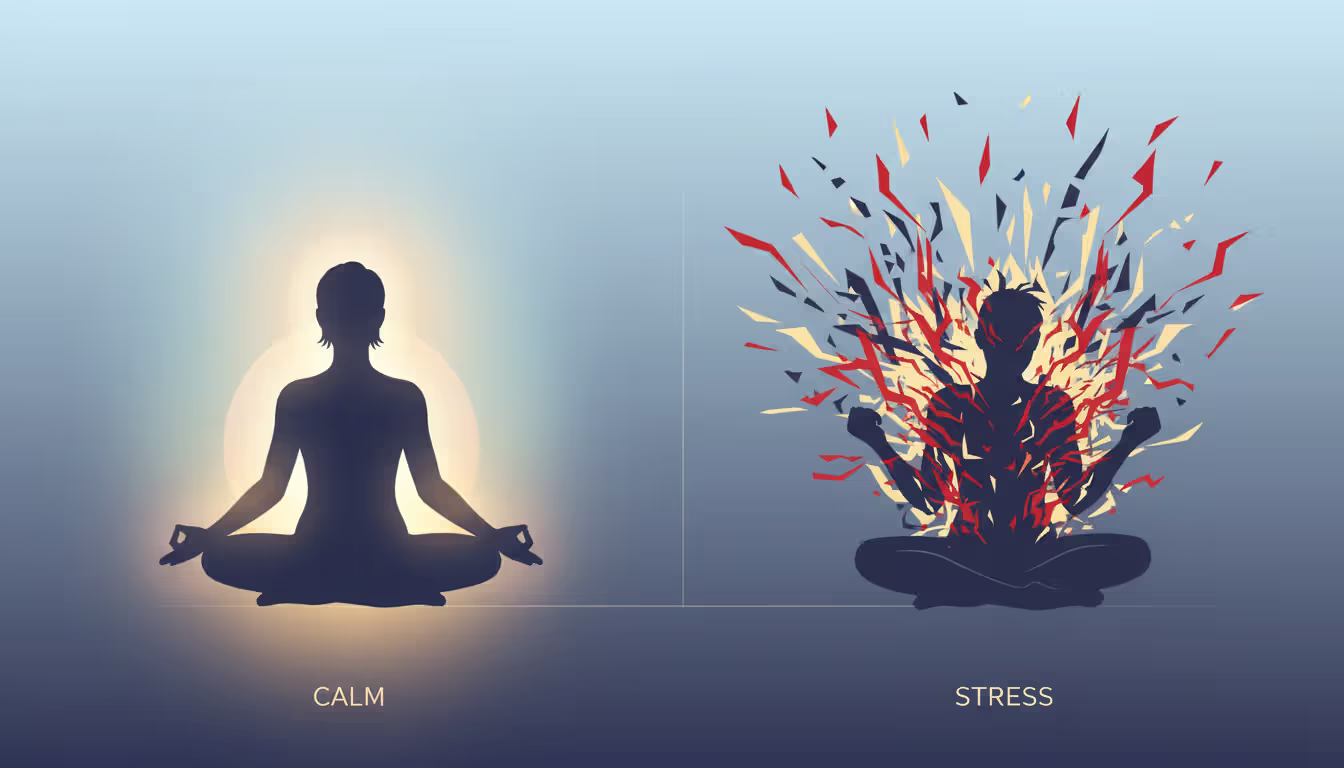
Meditation has gained widespread acceptance as a wellness practice, but the conversation around its benefits often overshadows a less discussed reality: meditation can produce negative effects in some practitioners. Research from major universities and clinical settings has documented adverse reactions ranging from mild discomfort to serious psychological disturbances. Understanding these risks doesn't diminish meditation's potential value, but it does provide a more complete picture for anyone considering or currently engaged in practice.
What Are the Side Effects of Meditation?
Documented adverse effects from meditation include increased anxiety, panic attacks, dissociation, emotional numbness, disturbing thoughts, and in rare cases, psychotic episodes. A 2022 study published in Clinical Psychological Science found that approximately 8-14% of regular meditators experience significant negative effects at some point in their practice. These aren't fringe outcomes—they occur across different meditation styles and experience levels.
The distinction between temporary discomfort and harmful reactions matters. Many beginners experience restlessness, boredom, or mild frustration when starting meditation. These reactions typically fade within weeks as practitioners adapt to the practice. Harmful reactions, by contrast, intensify over time or create functional impairment in daily life. Someone experiencing temporary discomfort might feel antsy during a 10-minute sit but function normally afterward. Someone having a harmful reaction might develop persistent anxiety that affects sleep, work performance, or relationships.
How common are meditation side effects? The answer depends on intensity and duration of practice. Casual meditators doing 5-10 minutes daily report adverse effects at lower rates than those attending intensive retreats. A 2023 survey of Vipassana retreat participants found that 63% experienced at least one challenging psychological effect during 10-day silent retreats, with 14% reporting effects severe enough to consider stopping. These numbers don't mean meditation is inherently dangerous, but they do challenge the notion that it's universally beneficial or risk-free.
Author: Sophie Ellington;
Source: 5sensesspa.com
Physical meditation adverse effects include headaches, muscle tension, changes in sleep patterns, and alterations in sensory perception. Some practitioners report feeling "spacey" or disconnected from their bodies for hours after sessions. Others experience what researchers call "relaxation-induced anxiety"—a paradoxical increase in anxious symptoms when attempting to relax.
When Meditation Goes Wrong: Real Risks and Dangers
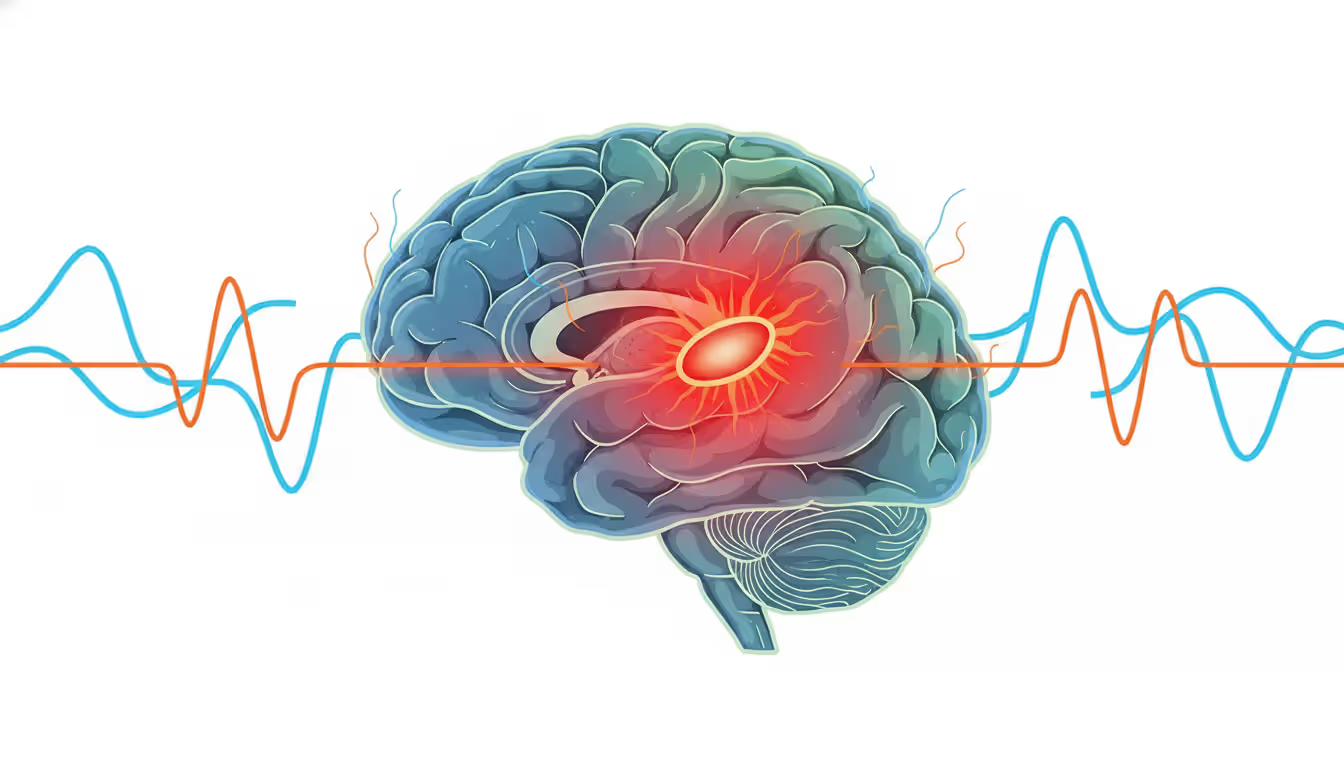
Physical symptoms can manifest suddenly during practice. Dizziness and lightheadedness occur when breathing techniques alter blood oxygen and carbon dioxide levels too quickly. Dissociation—feeling detached from one's body or surroundings—can persist beyond meditation sessions, creating safety risks when driving or operating machinery. Panic attacks during meditation often surprise practitioners who expected relaxation; the inward focus can amplify awareness of heartbeat and breathing patterns, triggering fight-or-flight responses in susceptible individuals.
Psychological risks extend beyond momentary discomfort. Anxiety amplification happens when meditation increases awareness of worrying thoughts without providing coping mechanisms. Rather than observing thoughts neutrally, some practitioners become hypervigilant about their mental content, creating a feedback loop of worry about worrying. Depersonalization—feeling like an outside observer of one's own life—can develop from certain concentration practices that emphasize detachment from thoughts and emotions.
The "dark night of the soul" phenomenon represents one of meditation's most serious risks. This term, borrowed from mystical Christianity, describes a state of profound despair, meaninglessness, and existential crisis that some meditators encounter during intensive practice. Unlike clinical depression, which often has identifiable triggers, the dark night arises from the meditation practice itself.
Dark Night of the Soul: What It Means for Meditators
The dark night typically emerges after months or years of consistent practice, particularly in insight meditation traditions. Practitioners report feeling that life has lost meaning, experiencing persistent negative emotions, or sensing that their sense of self is dissolving in disturbing ways. Buddhist texts describe similar stages in advanced practice, but Western practitioners often encounter these states without adequate preparation or support.
Willoughby Britton, a neuroscientist at Brown University who directs the Clinical and Affective Neuroscience Laboratory, has extensively researched this phenomenon. Her team documented cases where meditators experienced months or years of psychological distress following intensive retreats. The dark night isn't simply difficult meditation—it's a destabilizing shift in perception and meaning-making that can require professional intervention.
Author: Sophie Ellington;
Source: 5sensesspa.com
Recovery from dark night experiences varies. Some practitioners integrate these experiences and report eventual benefits. Others reduce or stop meditation practice and gradually return to baseline functioning. A subset develops lasting psychological difficulties requiring ongoing treatment.
Is Meditation Dangerous for Certain People?
Specific populations face elevated risks. People with histories of psychosis or schizophrenia may experience symptom exacerbation, as meditation can loosen cognitive boundaries that help maintain stable reality testing. Those with dissociative disorders might find that meditation intensifies dissociative symptoms rather than improving mental clarity.
Individuals with unprocessed trauma face particular vulnerabilities, which leads to a crucial consideration about how meditation interacts with traumatic stress.
Meditation and Trauma: Why Some Practices Can Backfire
Standard meditation instructions often tell practitioners to "sit with" whatever arises without reaction. For trauma survivors, this approach can trigger overwhelming flashbacks, body memories, or emotional flooding. The quiet, inward focus of meditation removes external distractions that trauma survivors often use to regulate their nervous systems. Without these distractions, traumatic material can surface faster than the person can process it safely.
Meditation can trigger traumatic memories through several mechanisms. Body scanning practices direct attention to physical sensations, which can activate trauma stored in the body. Breath-focused techniques may trigger people whose trauma involved suffocation or restricted breathing. Even the stillness requirement can be activating for those whose trauma involved physical restraint.
Trauma survivors need modified approaches that prioritize safety and control. Trauma-informed meditation allows practitioners to keep eyes open, change positions freely, and stop at any point without judgment. These modifications acknowledge that what feels safe for one person may be triggering for another.
The difference between mindfulness and trauma-informed meditation lies in flexibility and pacing. Standard mindfulness often emphasizes pushing through discomfort and maintaining practice consistency. Trauma-informed approaches recognize that discomfort can signal genuine danger for trauma survivors. A trauma-informed teacher might suggest shorter sessions, movement-based practices, or focusing on external sounds rather than internal sensations.
Meditation is not inherently therapeutic. For trauma survivors, traditional meditation practices can re-traumatize rather than heal. We need to adapt these practices to account for how trauma affects the nervous system, creating containers of safety before asking people to turn inward
— Dr. David Treleaven
Why Meditation Doesn't Work for Everyone
Brain chemistry and temperament create individual differences in meditation response. People with naturally low serotonin levels may find that meditation's inward focus amplifies depressive tendencies. Those with ADHD often struggle with sitting practices that require sustained attention, leading to frustration rather than calm. Highly sensitive individuals may become overwhelmed by the increased awareness meditation produces.
Certain conditions may worsen with meditation. Anxiety disorders, particularly generalized anxiety disorder and panic disorder, can intensify when meditation increases awareness of anxious thoughts and physical sensations. PTSD symptoms may spike when meditation removes the distraction and avoidance strategies that help survivors function. People experiencing active psychosis may find that meditation's emphasis on observing unusual thoughts and perceptions reinforces rather than reduces psychotic symptoms.
Cultural factors affect meditation response in ways rarely discussed. Meditation traditions developed within specific cultural and religious contexts with built-in support systems. Western practitioners often extract techniques from these contexts, practicing alone without community support or qualified guidance. Someone from a culture that values constant productivity may experience meditation's stillness as threatening rather than restful.
Personal factors matter too. Someone grieving a recent loss might find meditation brings up overwhelming sadness. A person in an abusive relationship might use meditation to dissociate from their situation rather than recognizing the need for change. Meditation challenges arise when the practice doesn't match the person's current needs or life circumstances.
Author: Sophie Ellington;
Source: 5sensesspa.com
How to Recognize Meditation Adverse Effects Early
Warning signs indicate when to stop or modify practice. Increased anxiety that persists outside meditation sessions suggests the practice is counterproductive. Sleep disturbances that develop after starting meditation—either insomnia or excessive sleeping—signal nervous system dysregulation. Emotional numbness or feeling disconnected from loved ones indicates possible dissociative effects.
Physical warning signs include persistent headaches, dizziness that continues after practice, or feeling ungrounded in daily activities. Cognitive changes like difficulty concentrating, intrusive thoughts that won't stop, or feeling confused about basic decisions warrant attention.
Seek professional help when meditation side effects interfere with work, relationships, or self-care. If you're having suicidal thoughts, experiencing hallucinations, or feeling unable to function in daily life, stop meditating and consult a mental health professional immediately. A qualified therapist can help determine whether meditation contributed to these symptoms and develop an appropriate treatment plan.
Common Side Effects
Serious Warning Signs
Restlessness or boredom during sessions
Persistent anxiety or panic attacks outside meditation
Temporary muscle soreness from sitting
Chronic dissociation or feeling detached from reality
Mild emotional release (brief crying or sadness)
Severe emotional flooding that doesn't resolve
Increased awareness of existing stress
New or worsening depression lasting more than two weeks
Difficulty maintaining focus initially
Intrusive thoughts or images that cause significant distress
Action: Continue with patience; adjust posture or duration
Action: Stop practice immediately; consult mental health professional
The table above helps distinguish between normal adjustment periods and genuine problems requiring intervention. When in doubt, err on the side of caution and seek guidance.
Reducing Meditation Risks: Safer Practice Guidelines
Choosing appropriate meditation styles for your needs prevents many problems. If you have anxiety, avoid practices emphasizing intense concentration on breathing or heartbeat. Instead, try walking meditation or practices focusing on external sounds. For trauma survivors, body-based practices should be approached cautiously or avoided until working with a trauma-informed teacher.
Starting slowly prevents overwhelm. Begin with 3-5 minutes rather than 20-30 minutes. Gradually increase duration only if you're experiencing benefits without negative effects. This gradual approach allows your nervous system to adapt rather than becoming overwhelmed.
Building meditation practice gradually means increasing one variable at a time. If you're comfortable with 10 minutes daily, maintain that duration for several weeks before extending sessions. If you want to try a new technique, reduce the duration initially until you know how you respond.
Working with qualified teachers provides crucial safety. A good teacher asks about your mental health history, current stressors, and goals before recommending practices. They provide modifications for common difficulties and recognize when someone needs professional help beyond meditation instruction. Red flags include teachers who dismiss concerns, promise meditation will cure serious mental health conditions, or pressure students to attend intensive retreats before they're ready.
Author: Sophie Ellington;
Source: 5sensesspa.com
Integrating professional mental health support when needed creates safety nets. If you have diagnosed mental health conditions, discuss meditation with your therapist or psychiatrist before starting. They can help monitor for adverse effects and adjust treatment if needed. Some therapists incorporate meditation into treatment; others may recommend avoiding it depending on your specific situation.
Frequently Asked Questions About Meditation Challenges
Can meditation make anxiety worse?
Yes, meditation can intensify anxiety in some people. Practices that increase awareness of thoughts and physical sensations may amplify anxious preoccupation rather than creating calm. People with panic disorder may misinterpret normal meditation-related sensations (like slowed breathing or relaxed muscles) as dangerous, triggering panic attacks. If anxiety worsens consistently during or after meditation, try shorter sessions, movement-based practices, or consult a mental health professional about whether meditation is appropriate for you currently.
How long do meditation side effects last?
Duration varies widely. Mild effects like restlessness or muscle soreness typically resolve within days to weeks as you adapt to practice. More serious effects like increased anxiety or dissociation may persist for weeks or months after stopping meditation, especially following intensive retreats. Some practitioners report lasting changes in perception or mood requiring professional treatment. If side effects haven't improved within two weeks of stopping or modifying practice, seek professional evaluation.
Should people with PTSD avoid meditation?
Not necessarily, but they need modified approaches. Standard meditation can trigger trauma responses, but trauma-informed practices can be beneficial when properly adapted. PTSD sufferers should work with teachers trained in trauma-sensitive meditation and maintain ongoing therapy. Avoid intensive retreats until you've established safety with shorter practices. Some trauma specialists recommend body-based therapies like EMDR or somatic experiencing before introducing meditation.
What's the difference between difficult emotions during meditation and harmful side effects?
Difficult emotions during meditation are temporary, proportionate, and resolve within the session or shortly after. You might feel sad while meditating but function normally afterward. Harmful side effects persist beyond practice, intensify over time, or impair daily functioning. If emotions during meditation leave you unable to work, maintain relationships, or care for yourself hours or days later, that's a harmful side effect requiring intervention. Context matters too—brief sadness while processing a loss differs from sudden, intense despair without apparent cause.
Are certain meditation techniques safer than others?
Generally, yes. Loving-kindness meditation and compassion practices show lower rates of adverse effects than intensive concentration or insight practices. Movement-based practices like walking meditation or yoga tend to be safer for trauma survivors than still, silent sitting. Short, guided meditations with external focus (sounds, body sensations in non-triggering areas) carry less risk than long, silent retreats emphasizing internal observation. However, individual responses vary—what's safe for one person may be problematic for another.
When should I stop meditating and consult a professional?
Stop immediately if you experience suicidal thoughts, hallucinations, severe dissociation affecting daily safety, panic attacks that don't resolve, or feeling completely detached from reality. Consult a mental health professional if meditation consistently worsens your mood, increases anxiety that persists throughout the day, triggers trauma responses, or creates any symptom that interferes with work, relationships, or self-care. Don't wait for symptoms to become severe—early intervention prevents more serious problems.
Meditation offers genuine benefits for many practitioners, but recognizing its potential risks allows for safer, more informed practice. The negative effects of meditation are real and documented, ranging from temporary discomfort to serious psychological disturbances. Individual factors—including trauma history, mental health conditions, brain chemistry, and life circumstances—significantly influence whether meditation helps or harms.
Safe practice requires honest self-assessment, gradual progression, and willingness to modify or stop when warning signs appear. Working with qualified teachers and maintaining professional mental health support when needed creates essential safety structures. The goal isn't to avoid meditation entirely but to approach it with the same careful consideration given to any intervention affecting mental and physical health.
If you're experiencing negative effects from meditation, you're not failing at the practice—you're receiving important information about what your nervous system needs right now. Sometimes the most mindful choice is recognizing that meditation isn't serving you and finding alternative approaches to wellbeing that better match your current situation.
Discover how meditation interrupts the stress cycle through proven physiological mechanisms. This comprehensive guide covers meditation types, nervous system effects, cortisol reduction, workplace practices, and research-backed techniques for building a sustainable stress meditation practice
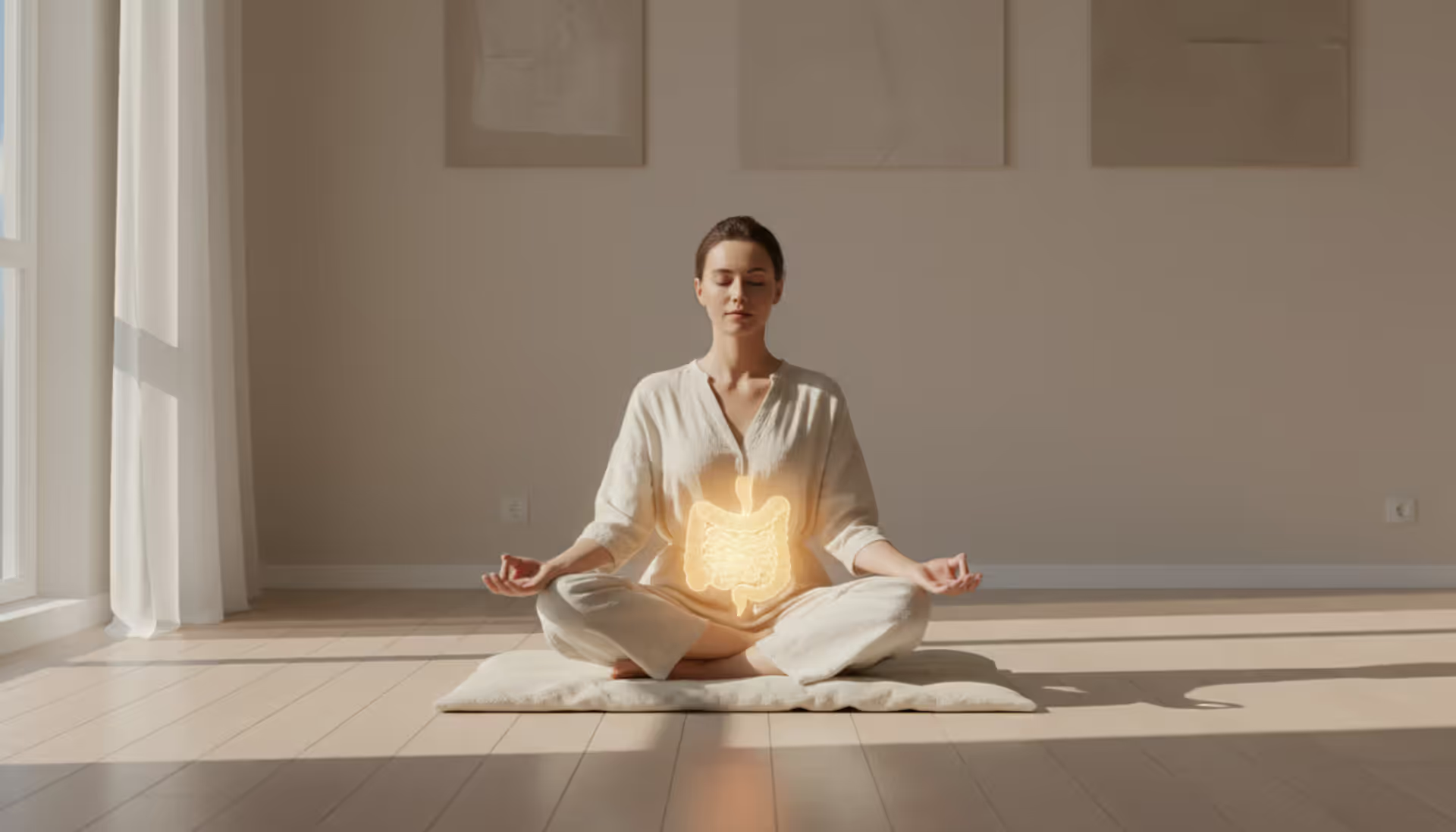
Your stomach churns before a big presentation. A stressful week leaves you bloated and uncomfortable. The connection between your mental state and digestive system isn't just in your head—it's a biological reality that meditation can help address through the gut-brain axis and vagus nerve activation
Sharing meditation with your romantic partner creates a unique space for emotional intimacy that most couples never experience. Research shows couples who practice mindfulness together report 23% higher relationship satisfaction while building deeper connection at a neurological level
Living with chronic pain requires more than medication. Research shows meditation fundamentally changes how the brain processes pain signals, offering relief through neuroplastic changes. Learn evidence-based techniques including body scans, MBSR, and breath-focused practices that reduce pain intensity by 22-30%
The content on this website is provided for general informational and educational purposes only. It is intended to explain concepts related to meditation, mindfulness, mental health, and spiritual practices.
All information on this website, including articles, guides, and examples, is presented for general educational purposes. Meditation outcomes may vary depending on individual practices, health conditions, and guidance.
This website does not provide medical, mental health, or spiritual advice, and the information presented should not be used as a substitute for consultation with qualified professionals.
The website and its authors are not responsible for any errors or omissions, or for any outcomes resulting from decisions made based on the information provided on this website.