That pre-meeting stomach flip. The weekend when stress alone sends you running to the bathroom three times before noon. You've already cut out dairy, tried gluten-free, maybe even gone low-FODMAP—but your gut still acts like it's got its own agenda.
Here's what's actually happening: your brain and digestive tract are having a conversation you're not consciously part of. And meditation? It gives you a seat at that table.
The research backing meditation for gut issues has gotten serious in recent years. We're talking measurable shifts in IBS severity, bloating reduction, and digestive patterns that actually normalize—not through wishful thinking, but through specific neurological changes.
How the Gut-Brain Connection Affects Digestion
Five hundred million neurons line your digestive tract. That's more than your entire spinal cord contains. Scientists call this network the enteric nervous system, though "second brain" captures the idea better.
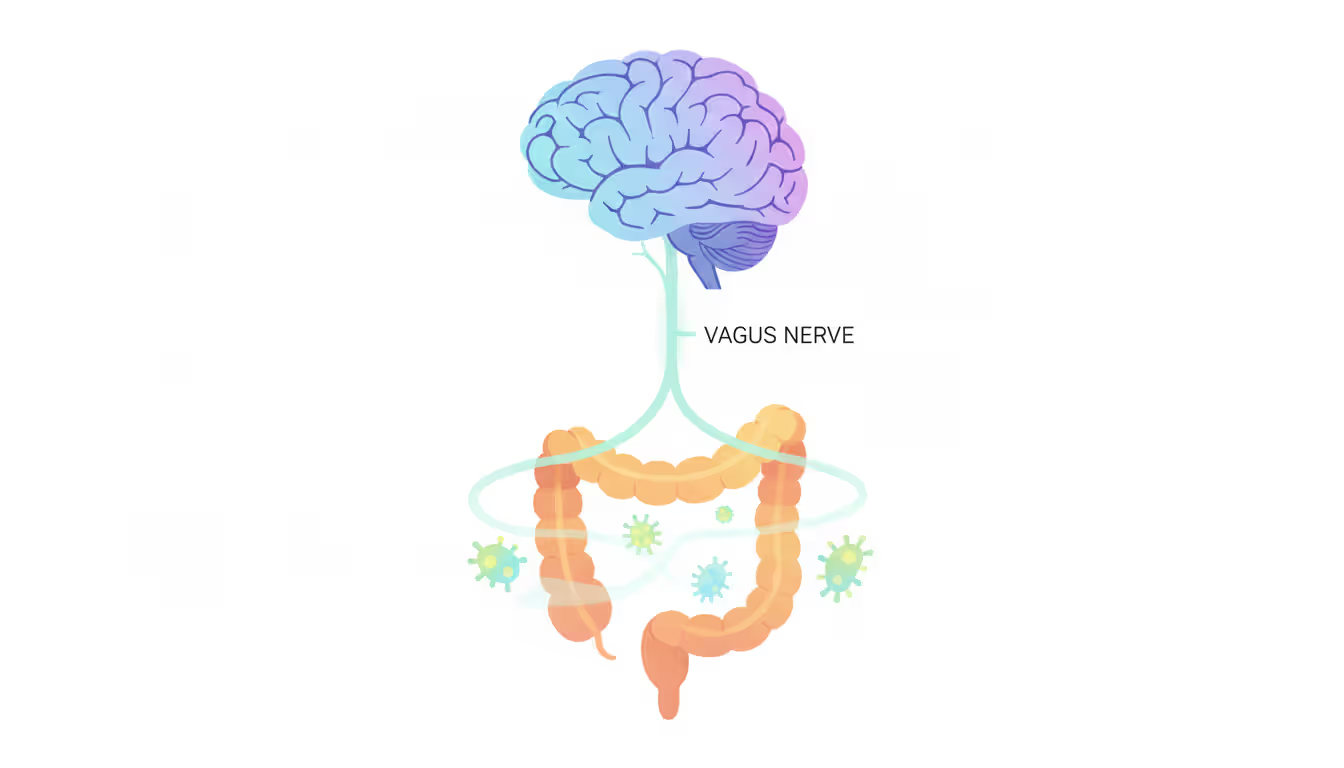
This gut-based neural network doesn't work in isolation. It connects to your central nervous system through the vagus nerve—a massive information superhighway running between your brain and abdomen. Scientists have mapped this relationship as the gut-brain axis, and it's far more active than most people realize.
Here's where stress enters the picture. The moment your brain perceives a threat—a looming deadline, a difficult conversation, financial pressure—it dumps cortisol and adrenaline into your bloodstream. Your body doesn't distinguish between "presentation anxiety" and "actual physical danger." The response is identical: blood vessels in your digestive organs constrict, shunting blood toward your muscles instead.
This survival mechanism served our ancestors well when threats were physical. But chronic modern stress keeps this response switched on. Your gut gets perpetually shortchanged on blood flow. Gastric emptying slows down. Intestinal motility becomes erratic. The gut lining gets more permeable. All of this creates the perfect conditions for digestive dysfunction.
The vagus nerve carries signals both directions, though this surprises most people. About 90% of the vagal fibers actually transmit information from your gut to your brain—not the reverse. Your microbiome composition, enteric nervous system activity, and gut sensations constantly update your brain about digestive status.
"Vagal tone" measures how well this nerve functions. Higher vagal tone correlates with better digestive performance, less inflammation, and greater stress resilience. Meditation directly strengthens vagal tone. When you sit down to meditate, you're essentially exercising this crucial nerve pathway.
Stress hormones also mess with your gut bacteria. Studies tracking stressed participants show drops in beneficial species like Lactobacillus and Bifidobacterium, while potentially problematic bacteria increase. This imbalance—dysbiosis in medical terminology—drives symptoms ranging from gas and bloating to irregular bowel patterns and abdominal cramping. Meditation helps maintain bacterial balance by interrupting the chronic stress cycle.
Author: Lena Ashcroft;
Source: 5sensesspa.com
Does Meditation Help With IBS and Other Digestive Issues
The clinical evidence has reached a tipping point where dismissing meditation as "just relaxation" doesn't hold up anymore. Multiple trials demonstrate specific, measurable improvements across various gut conditions.
What the Research Shows About Meditation and IBS
A 2025 meta-analysis pooled results from 18 randomized controlled trials. Participants practicing mindfulness meditation reported 35-40% reductions in IBS symptom severity compared to control groups. More importantly, these improvements stuck around—six-month follow-ups showed people maintaining their gains.
What improved specifically? Abdominal pain intensity dropped. Bloating decreased. Bowel movement frequency normalized (whether the issue was constipation or diarrhea). Anxiety about digestive symptoms lessened. Quality of life scores went up. People reported fewer days when IBS interfered with work or social activities.
Mindfulness-based stress reduction (MBSR) programs show particularly strong results. One trial followed 75 IBS patients through an eight-week MBSR course. By completion, 62% reported "adequate relief" from symptoms—comparable to many prescription medications, minus the side effects. Brain imaging studies revealed something fascinating: decreased activation in pain-processing brain regions when participants anticipated digestive discomfort.
The mechanism goes deeper than general relaxation. Meditation appears to recalibrate visceral hypersensitivity—the heightened pain perception that plagues many IBS patients. Regular practice literally changes how your brain interprets signals from your gut. Normal digestive processes that previously registered as painful become less intense.
Other Digestive Problems Meditation Can Address
Functional dyspepsia—chronic indigestion without any structural cause—responds well to meditation. Patients practicing breath-focused techniques for 20 minutes daily reported 45% improvement in upper abdominal discomfort and early fullness after eight weeks.
Inflammatory bowel diseases (Crohn's disease and ulcerative colitis) present a different situation. Meditation won't cure these autoimmune conditions. But it helps manage them. Stress-reduction practices can extend time between flare-ups and reduce inflammatory markers. One study tracked IBD patients over 12 months—those practicing meditation experienced 30% fewer flare-ups compared to non-meditating patients.
Even GERD (gastroesophageal reflux disease) shows improvement. The relaxation response reduces pressure in the lower esophageal sphincter and decreases stress-triggered acid production. Patients who meditated before meals reported fewer reflux episodes and used antacids less frequently.
Author: Lena Ashcroft;
Source: 5sensesspa.com
Meditation Techniques for Digestive Health
Different approaches target different digestive concerns. These five techniques have both research backing and practical track records for gut-related problems.
Body Scan Meditation for Bloating
Body scanning builds awareness of physical sensations without the judgment that typically amplifies discomfort. It helps you distinguish between actual digestive distress and anxiety making normal sensations feel worse.
Lie down or sit in a comfortable position. Close your eyes. Take three full breaths, then begin systematically moving your attention through your body. Start at your toes—spend about 10-15 seconds just noticing sensations there. No need to change anything. Then move to your feet, calves, thighs, pelvis, and eventually your abdomen.
When your attention reaches your belly, linger there. What temperature do you notice? Any pressure or movement? Tightness or spaciousness? If bloating or discomfort appears, just observe it. Imagine each exhale creating a bit more space around the sensation, not forcing it away but allowing room for it.
Continue through your chest, arms, neck, and head. The whole process takes 15-20 minutes.
Practice this daily. Many people discover that bloating sensations decrease simply through non-reactive observation. You interrupt the cycle where stress amplifies normal digestive sensations into something that feels unbearable.
Breath-Focused Meditation for Stress-Related Digestion
Diaphragmatic breathing activates the vagus nerve more powerfully than shallow chest breathing. This directly triggers the parasympathetic "rest and digest" response your gut needs.
Sit comfortably. Place one hand on your chest, the other on your belly. Breathe in slowly through your nose for four counts. Your belly should expand while your chest stays relatively still. Pause briefly. Then breathe out through your mouth for six counts. The extended exhale activates relaxation more strongly.
Keep your attention on the physical experience. Cool air entering your nostrils. Your ribcage expanding. The gentle fall of your belly. When your mind wanders (it will), notice the thought without judging yourself, then return focus to your breath.
Ten minutes before meals optimizes digestive function. The increased vagal activity from this practice enhances stomach acid secretion, enzyme production, and gut motility—all necessary for efficient digestion.
Guided Visualization for IBS Symptoms
Your brain struggles to distinguish between imagined and actual experiences. Visualization harnesses this quirk to create real physiological changes through mental imagery.
Settle into a quiet spot and close your eyes. After several deep breaths, imagine your digestive system as a gentle river flowing smoothly from mountain to ocean. Picture your stomach, small intestine, and colon as a connected waterway. Any areas of discomfort become temporary log jams or narrow passages in your mental image.
With each breath, visualize the water flow increasing slightly. See it gently moving through constricted areas. Watch the river widen. The flow becomes steady and comfortable. Picture your gut lining as healthy and resilient, your microbiome as a thriving ecosystem full of beneficial bacteria.
Spend 5-7 minutes with this visualization. Research shows patients practicing gut-directed imagery experience reduced pain intensity and improved bowel regularity. The technique appears to influence actual gut motility patterns through brain-gut signaling pathways.
Author: Lena Ashcroft;
Source: 5sensesspa.com
Mindful Eating Practice
Most digestive issues get worse when you eat too fast and chew poorly. Modern eating habits—lunch at your desk, dinner in front of Netflix—set you up for problems.
Take three full breaths before your first bite. Actually look at your food. Notice the colors, how light reflects off different textures, what aromas you detect. Take a small first bite and chew slowly. Aim for 20-30 chews. Notice how the texture changes, how flavors evolve as you chew. Swallow consciously, feeling food move down your esophagus.
Here's the key: put your utensil down between bites. This simple action slows your pace dramatically and allows satiety signals time to reach your brain before you overeat. Eat without your phone, laptop, or book. Keep attention on the sensory experience.
This improves digestion mechanically (better chewing reduces your gut's workload) and neurologically (mindful attention enhances digestive enzyme secretion). Patients adopting mindful eating report less bloating, better portion control, and decreased post-meal discomfort.
How to Start a Meditation Practice for Your Gut
Enthusiasm alone won't sustain a meditation practice. You need a realistic plan that accounts for how habits actually form.
Start with five minutes daily, not ambitious 30-minute sessions. Consistency trumps duration every time. Five minutes every single day produces better results than 30 minutes twice weekly. Your nervous system adapts through repetition, not occasional intensive sessions.
Pick a specific time and attach it to something you already do daily. Meditate right after brushing your teeth each morning. Or immediately before lunch. This "habit stacking" approach significantly increases adherence. One study found participants who tied meditation to existing routines maintained their practice for six months at 70% higher rates than those who didn't schedule specific times.
Morning meditation before breakfast sets optimal digestive tone for the entire day. But if mornings feel rushed and chaotic, a pre-dinner session works fine. Just avoid meditating immediately after large meals when blood flow to your digestive system makes staying alert difficult.
Track your practice and symptoms separately. Use a simple journal: meditation duration, plus digestive symptoms like pain level (1-10 scale), bloating, bowel movements, overall gut comfort. After three weeks, patterns typically emerge showing which techniques help most.
Expect gradual improvement, not overnight transformation. Most research participants notice subtle changes around week two or three. Substantial improvements typically appear by week six to eight. Some people respond faster, especially when stress clearly triggers their symptoms.
Consider starting with guided meditations rather than silent practice. Apps and recordings provide structure that helps beginners maintain focus. You can transition to silent practice once the basic techniques feel comfortable.
Author: Lena Ashcroft;
Source: 5sensesspa.com
Mindfulness-Based IBS Treatment Programs
Structured programs offer advantages over self-directed practice, particularly for severe or persistent symptoms. These combine meditation instruction with gut-brain connection education and cognitive-behavioral techniques.
Mindfulness-Based Stress Reduction (MBSR) remains the most extensively researched approach. These eight-week programs include weekly 2.5-hour sessions plus daily home practice. Participants learn body scan meditation, sitting meditation, mindful movement, and informal mindfulness practices. Though not designed specifically for IBS, MBSR shows strong results for digestive conditions.
Mindfulness-Based IBS Treatment (MB-IBSx) adapts MBSR specifically for digestive issues. This program incorporates gut-directed meditations, IBS mechanism education, and techniques for managing symptom flare-ups. Research shows MB-IBSx produces greater symptom reduction than standard IBS education programs.
The gut-brain axis functions as a two-way communication system where meditation acts as a powerful modulator. By decreasing stress reactivity and strengthening vagal tone, mindfulness practices establish physiological conditions that enable the gut to work optimally. We're observing patients achieve symptom control through meditation that matches pharmaceutical interventions, often with more sustainable long-term outcomes
— Dr. Sarah Mitchell
These programs typically cost $300-600 though insurance may cover them when a physician prescribes the treatment. Some hospitals and medical centers offer reduced-cost community programs.
Seek professional guidance if you have severe symptoms, significant anxiety or depression alongside digestive issues, or haven't responded to self-directed meditation after 8-10 weeks. A trained instructor can identify technique problems and adjust the approach to your specific situation.
Teletherapy options have expanded access to specialized programs. Virtual MB-IBSx programs show effectiveness similar to in-person formats, making these interventions available regardless of where you live.
Common Mistakes When Using Meditation for Digestive Issues
Unrealistic expectations derail many meditation practices. Some people expect immediate symptom relief, like taking an antacid. But meditation works through gradual nervous system retraining, not acute symptom suppression. Setting a reasonable timeline—six to eight weeks for noticeable improvement—prevents you from giving up prematurely.
Inconsistent practice undermines results. Meditating intensively for a week, then skipping ten days, doesn't allow your nervous system to develop new patterns. Your vagal tone and stress response systems require regular input to change. Again: five minutes daily beats 30 minutes weekly.
Using meditation as complete replacement for medical treatment creates unnecessary risk. Meditation complements medical care but shouldn't substitute for appropriate diagnosis and treatment. If you have unexplained digestive symptoms, blood in stool, unintended weight loss, or severe pain, consult a gastroenterologist before relying solely on meditation.
Choosing techniques poorly matched to your symptoms reduces effectiveness. If anxiety triggers your digestive issues, breath-focused meditation works better than body scanning, which might increase symptom hypervigilance. If you have post-meal bloating, mindful eating addresses the root cause more directly than general stress reduction.
Practicing while highly symptomatic often backfires. During severe cramping or nausea, meditation can create negative associations. Instead, use meditation preventively during symptom-free periods to reduce flare-up frequency. Once you've established a solid practice, you can gradually incorporate it during mild symptoms.
Forcing relaxation creates paradoxical tension. Meditation works through acceptance and observation, not forceful control. If you catch yourself thinking "I must relax my gut right now," you're creating additional stress. Instead, simply observe sensations without demanding they change.
Comparison of Meditation Techniques for Digestive Issues
Technique
Works Best For
Time Needed
Difficulty
Optimal Timing
Body Scan
Bloating, general IBS, body awareness
15-20 min
Beginner-friendly
Morning or bedtime
Breath-Focused
Stress digestion, acid reflux, meal prep
10-15 min
Easy to learn
Before eating, during stress
Guided Visualization
IBS pain, symptom anxiety, chronic discomfort
10-15 min
Moderate
During mild symptoms, preventively
Mindful Eating
Post-meal bloating, overeating, poor digestion
20-30 min
Simple but requires attention
During any meal
Loving-Kindness
IBS with depression/anxiety, body image struggles
15-20 min
Moderate
Evening, when symptoms are calm
Frequently Asked Questions About Meditation and Digestion
How long does it take for meditation to help digestion?
You'll likely notice subtle shifts within two to three weeks of daily practice. Substantial symptom reduction typically shows up between six and eight weeks. Research participants in clinical trials demonstrate peak benefits around the three-month mark. Individual responses vary based on how severe your symptoms are, your overall stress levels, and how consistently you practice. Some people with clearly stress-triggered symptoms experience faster relief—others with more complex digestive issues need longer. Keep realistic expectations during those initial weeks so you don't quit before benefits appear.
Can meditation replace medication for IBS?
Not without your doctor's involvement. For some people with mild to moderate IBS, meditation produces enough symptom control to reduce or eliminate medication needs—but this decision requires medical supervision. Meditation works best as one part of a comprehensive approach that includes appropriate diet modifications, stress management, and medical care when necessary. If you currently take medication for digestive issues, continue as prescribed while adding meditation. After establishing a consistent practice, discuss any medication changes with your doctor.
What's the best time of day to meditate for digestive issues?
Morning meditation before breakfast establishes optimal digestive tone for the day ahead and prevents afternoon stress from accumulating. Pre-meal meditation (10-15 minutes before lunch or dinner) directly enhances digestive function right when you need it. Evening practice processes daily stress before it disrupts sleep and next-day digestion. The actual "best" time? Whichever one you'll maintain consistently. Try different times for two weeks each to determine what fits your schedule and produces the best symptom control.
How often should I meditate to see improvements in gut health?
Daily practice produces optimal results. Research demonstrates that meditating five to seven days per week creates the nervous system changes necessary for sustained digestive improvement. Sessions can be brief—even 10 minutes daily outperforms longer but infrequent practice. If daily feels overwhelming initially, start with five days weekly and gradually increase. Weekend-only meditation rarely produces measurable digestive benefits because your stress response system doesn't maintain changes without regular reinforcement.
Is guided meditation or silent meditation better for IBS?
Guided meditation works better for beginners and people who struggle with intrusive thoughts about their symptoms. The external voice provides structure and prevents anxious rumination. Silent meditation offers advantages once you've developed basic skills—you can practice anywhere without audio equipment and customize the focus to your immediate needs. Research doesn't show significant outcome differences between formats. Many experienced practitioners use guided meditation for specific techniques like visualization while practicing silent meditation for breath work. Choose based on your experience level and what keeps you engaged.
Can meditation help with bloating after meals?
Yes, through both prevention and response. Mindful eating practiced during meals reduces air swallowing, improves chewing thoroughness, and prevents overeating—all common bloating triggers. Pre-meal breath-focused meditation activates your parasympathetic nervous system, optimizing enzyme secretion and gut motility. For bloating that's already present, body scan meditation helps you distinguish between actual distension and anxiety-amplified perception. Many people discover their bloating sensation decreases significantly when they observe it without reactive anxiety. Consistent practice reduces both bloating frequency and severity over time.
Your digestive system responds powerfully to your mental state through the gut-brain axis. Meditation offers a research-backed approach to improving digestive function by reducing stress reactivity, enhancing vagal tone, and recalibrating pain perception. Whether you're managing IBS, bloating, or general digestive discomfort, specific meditation techniques can address your symptoms.
Start with manageable goals—five to ten minutes daily of a single technique matched to your primary concern. Track both your practice and symptoms to identify what works best for your situation. Consider structured programs if you need additional support or haven't responded to self-directed practice after several weeks.
Meditation works best as part of comprehensive digestive care that includes appropriate medical treatment, dietary adjustments, and stress management. The practice requires patience and consistency, but potential benefits extend beyond symptom relief to improved overall gut health and stress resilience. Your gut and brain maintain constant communication—meditation helps ensure that conversation supports rather than undermines your digestive wellness.
Research shows 8-14% of meditators experience significant adverse effects. From anxiety amplification to dark night experiences, meditation isn't risk-free. Understand physical and psychological dangers, who's most vulnerable, and how to recognize when practice becomes harmful
Discover how meditation interrupts the stress cycle through proven physiological mechanisms. This comprehensive guide covers meditation types, nervous system effects, cortisol reduction, workplace practices, and research-backed techniques for building a sustainable stress meditation practice
Sharing meditation with your romantic partner creates a unique space for emotional intimacy that most couples never experience. Research shows couples who practice mindfulness together report 23% higher relationship satisfaction while building deeper connection at a neurological level
Living with chronic pain requires more than medication. Research shows meditation fundamentally changes how the brain processes pain signals, offering relief through neuroplastic changes. Learn evidence-based techniques including body scans, MBSR, and breath-focused practices that reduce pain intensity by 22-30%
The content on this website is provided for general informational and educational purposes only. It is intended to explain concepts related to meditation, mindfulness, mental health, and spiritual practices.
All information on this website, including articles, guides, and examples, is presented for general educational purposes. Meditation outcomes may vary depending on individual practices, health conditions, and guidance.
This website does not provide medical, mental health, or spiritual advice, and the information presented should not be used as a substitute for consultation with qualified professionals.
The website and its authors are not responsible for any errors or omissions, or for any outcomes resulting from decisions made based on the information provided on this website.