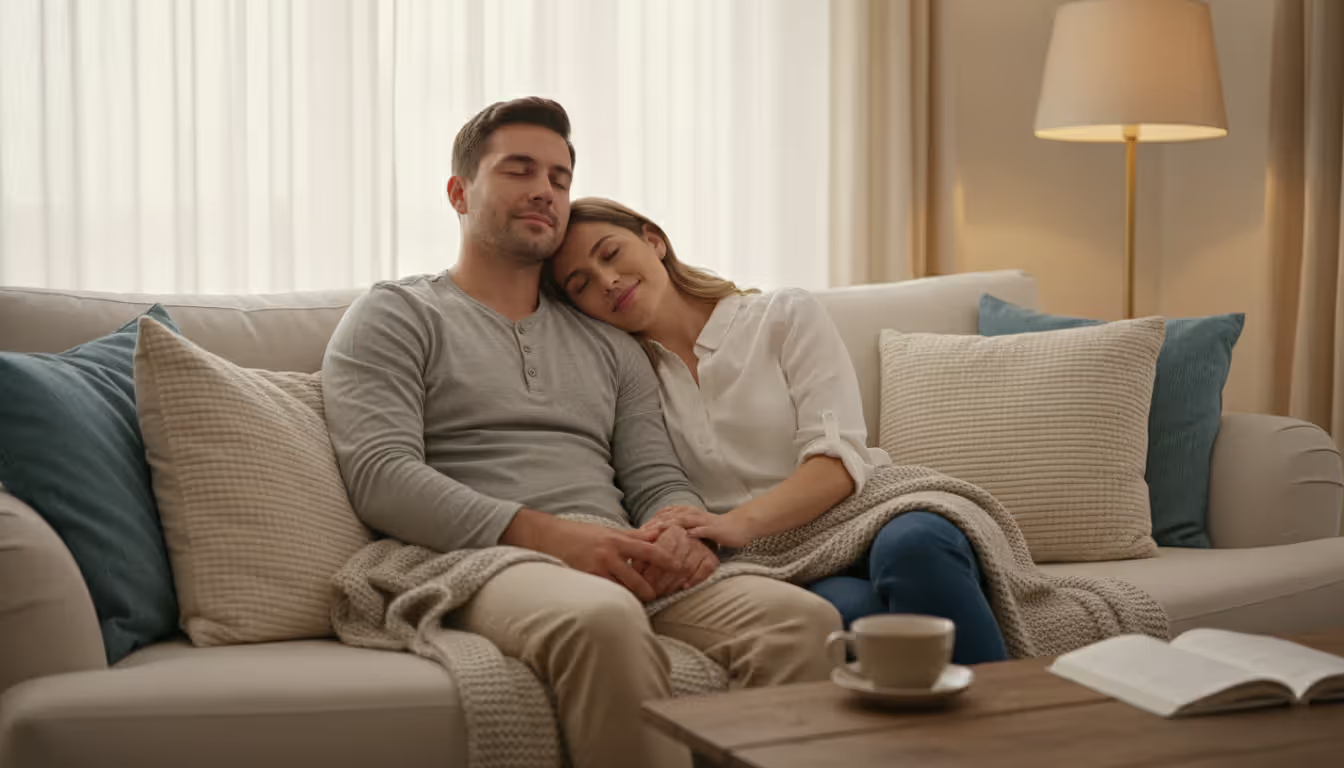
Sharing meditation with your romantic partner creates a unique space for emotional intimacy that most couples never experience. Unlike date nights or vacations, a regular meditation practice together builds connection at a neurological level—synchronizing breathing patterns, heart rates, and even brain waves over time.
Research from the University of Virginia shows that couples who engage in mindfulness practices together report 23% higher relationship satisfaction scores compared to those who don't. But beyond statistics, partner meditation offers something simpler: uninterrupted time to just be together without screens, tasks, or conversations demanding your attention.
Why Meditation Strengthens Romantic Relationships
When you meditate alongside your partner, you're training your nervous system to remain calm in their presence. This might sound obvious, but many long-term couples develop subtle stress responses to each other—a tone of voice that triggers defensiveness, or a facial expression that signals criticism before words are even spoken.
Meditation for bonding works by creating new neural pathways associated with safety and presence. During a 15-minute session, your brain produces more oxytocin (the bonding hormone) while cortisol levels drop. This biochemical shift makes you more receptive to your partner's emotions and less reactive to minor irritations.
The empathy boost is measurable. Couples who practice meditation for connection show increased activation in the anterior cingulate cortex—the brain region responsible for emotional regulation and perspective-taking. Practically, this means you're less likely to escalate arguments and more likely to catch yourself before saying something hurtful.
Meditation for relationships also addresses a common modern problem: parallel living. Many couples exist side-by-side, managing logistics and responsibilities, but rarely synchronize emotionally. A shared practice creates a ritual of mutual attention. You're not solving problems or planning—you're simply acknowledging each other's presence, which paradoxically strengthens your bond more than most goal-oriented activities.
The intimacy benefits extend beyond the meditation session itself. Partners report feeling more comfortable with silence, better at reading nonverbal cues, and more willing to be vulnerable. One study tracked couples for six months and found that those practicing together had 31% fewer unresolved conflicts, not because they argued less, but because they recovered from disagreements faster.
Author: Ethan Solberg;
Source: 5sensesspa.com
How to Start a Couple Meditation Practice
Choosing the Right Time and Space
Morning sessions work well for couples with predictable schedules—before phones get checked and the day's demands intrude. Evening practice helps decompress together, though you'll need to time it before either partner gets too tired. Weekend mornings offer the lowest-pressure option for beginners.
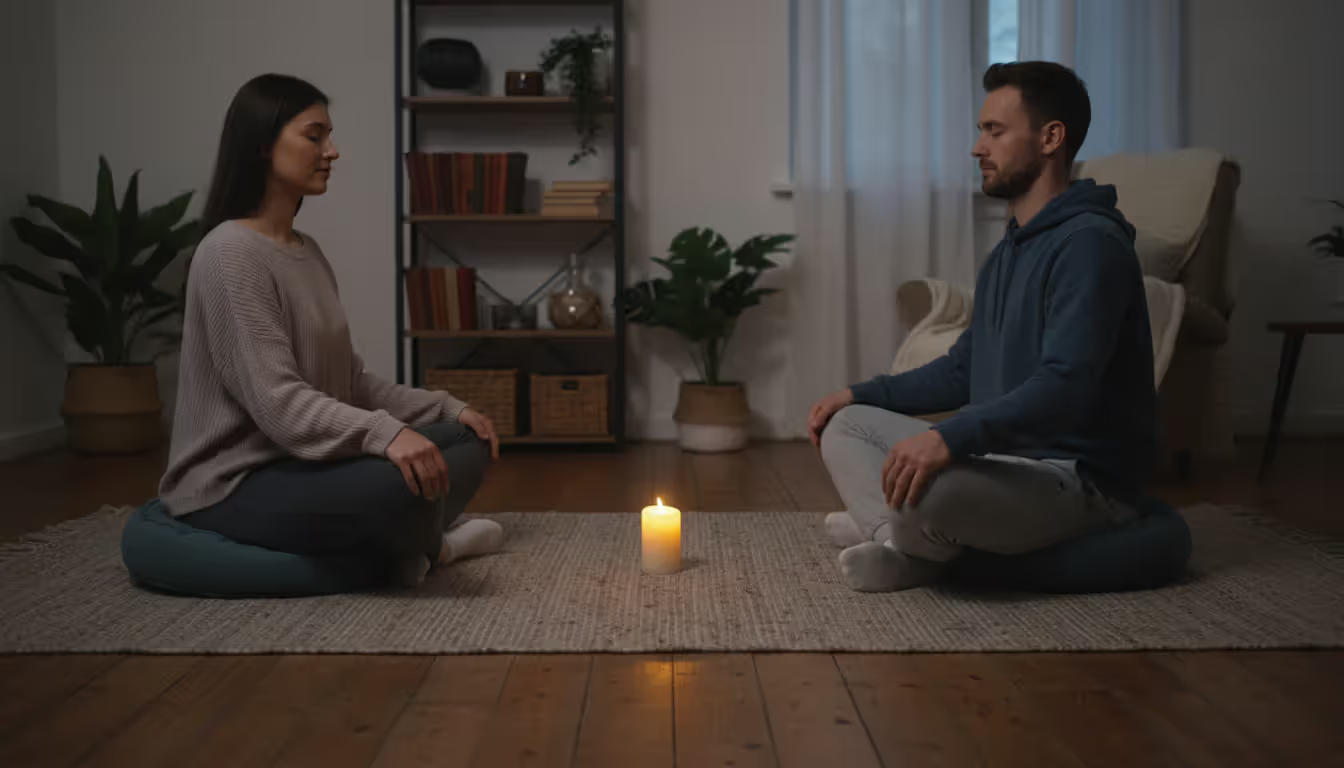
The space matters less than you'd think, but avoid your bed (too sleep-associated) and high-traffic areas. A corner of your bedroom with two cushions or a quiet living room spot works fine. Some couples use a specific blanket or light a candle to mark the space as "meditation only," which helps your brain shift modes.
Temperature and comfort are practical concerns that derail new practices. One partner always runs cold, the other hot—have a blanket nearby. Sitting on the floor hurts after five minutes? Use chairs. The goal is removing obstacles, not creating an Instagram-worthy setup.
Setting Shared Intentions
This conversation happens before your first session, not during. Each partner answers: "What do I want from this practice?" Answers vary widely—one might want stress relief, the other connection. Both are valid, but knowing prevents mismatched expectations.
Decide on frequency and duration together. Three 10-minute sessions per week is more sustainable than daily 30-minute commitments that collapse after two weeks. Partner meditation practice succeeds through consistency, not duration. You can always extend sessions once the habit solidifies.
Establish a simple check-in protocol. After each session, spend two minutes sharing one word or short phrase about your experience. This isn't therapy or deep processing—just a quick acknowledgment that keeps you aligned without turning meditation into another task requiring emotional labor.
Starting with Short Sessions
Begin with five minutes. Not ten, not "however long feels right"—five minutes on a timer. This seems absurdly short to motivated beginners, which is exactly why it works. You'll finish wanting more, which builds positive associations. Starting with 20 minutes often creates discomfort that one partner associates with the practice itself.
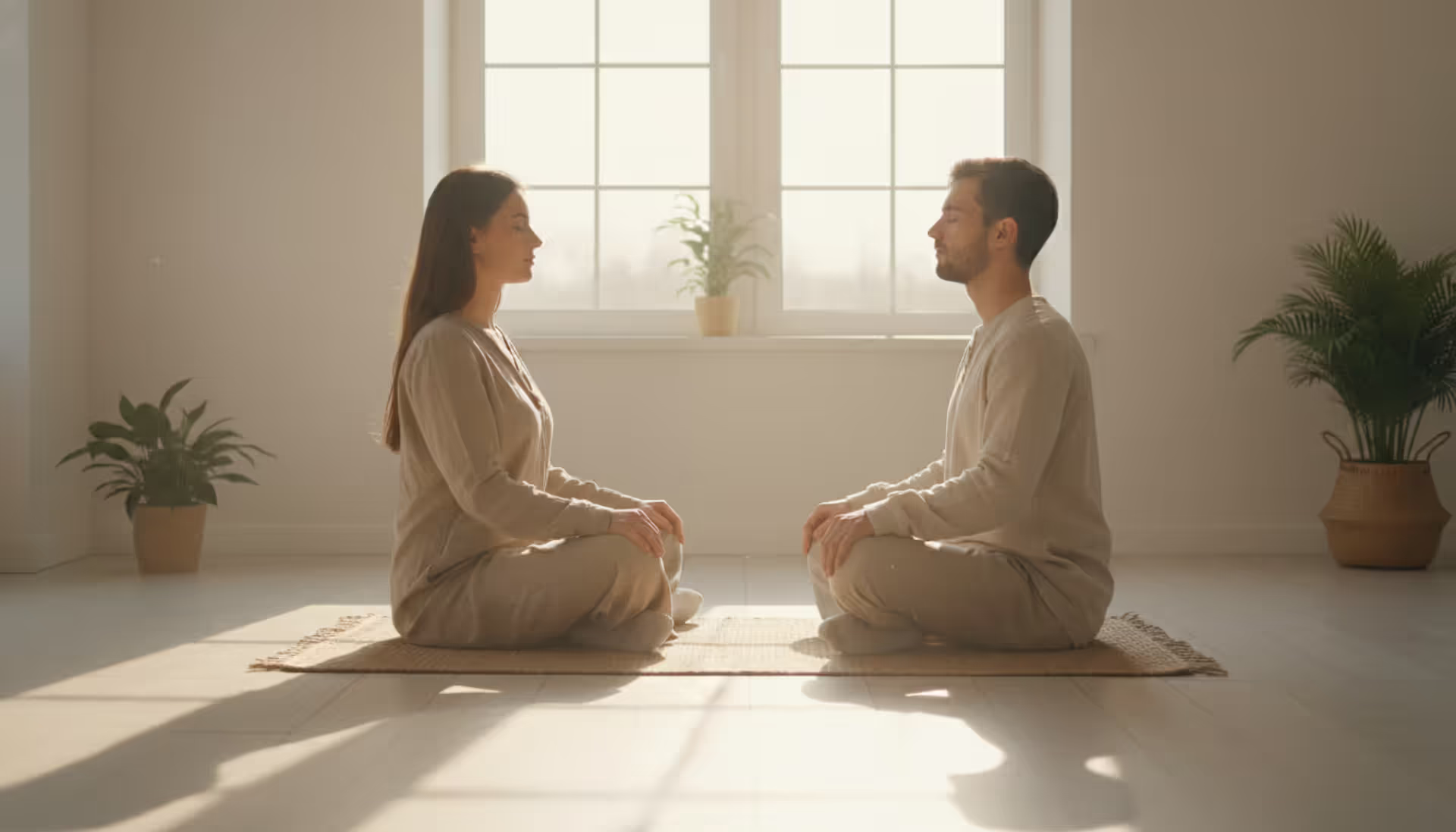
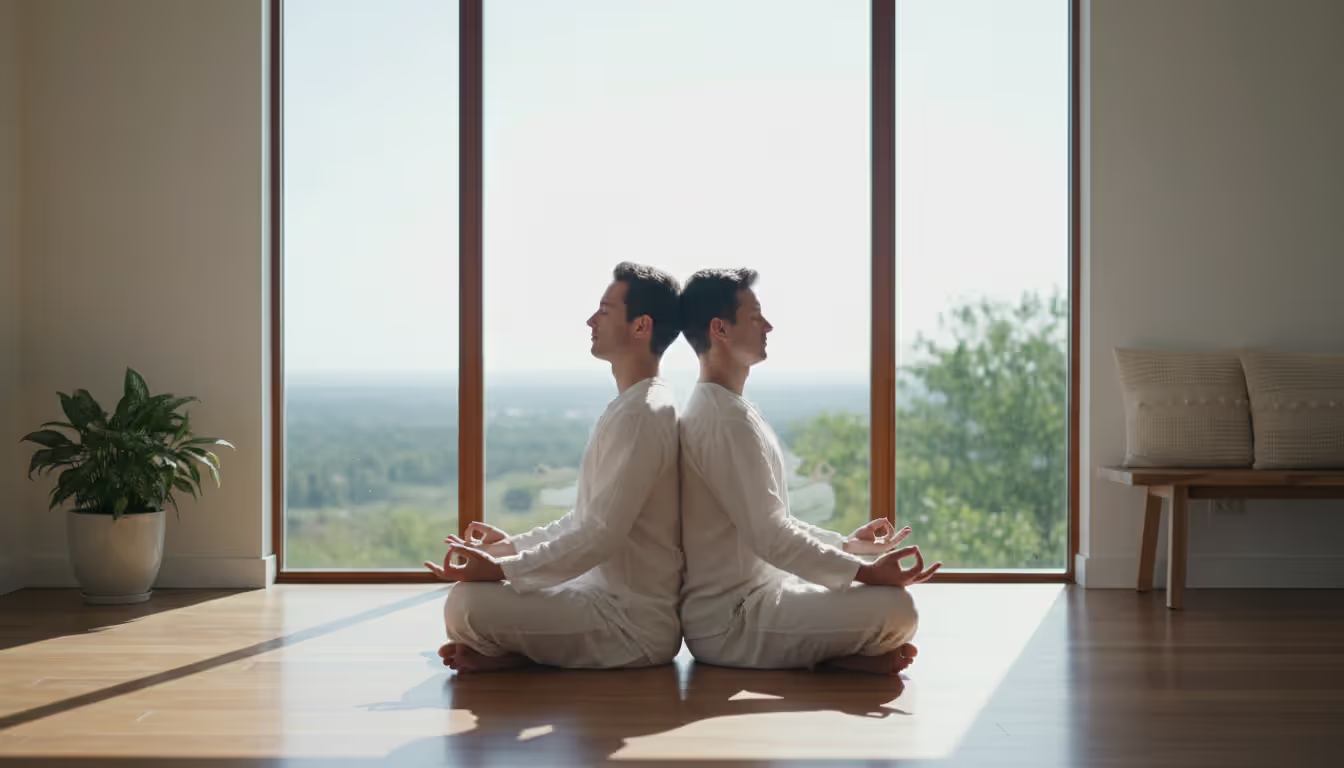
The first three sessions should focus solely on breathing together. Sit facing each other or side-by-side (whichever feels less awkward), close your eyes, and breathe naturally. Don't try to synchronize yet—just breathe. This baseline establishes what your natural rhythms feel like before adding techniques.
Expect weirdness. Sitting silently with your partner, especially if you're not used to non-verbal intimacy, can feel stranger than anticipated. One of you might giggle. Someone's stomach will gurgle loudly. These moments are normal, not failures. Acknowledge them briefly and return to breathing.
Author: Ethan Solberg;
Source: 5sensesspa.com
Partner Meditation Techniques That Build Connection
Synchronized Breathing: Sit facing each other, close enough that your knees touch. One partner breathes naturally while the other observes and gradually matches their rhythm. After three minutes, switch roles. This technique trains you to attune to your partner's state without words. Couples report that synchronized breathing helps them recognize when their partner is stressed or anxious in daily life, even when nothing is said.
Loving-Kindness Meditation for Two: Start with traditional loving-kindness phrases directed at yourself, then your partner, then both of you together. The progression might be: "May I be peaceful" → "May you be peaceful" → "May we be peaceful together." The "we" framing reinforces your identity as a unit while maintaining individual wholeness. This practice particularly helps couples recovering from conflict or navigating stressful life transitions.
The most precious gift we can offer anyone is our attention. When mindfulness embraces those we love, they will bloom like flowers
— Thich Nhat Hanh
Eye Gazing: Set a timer for three minutes. Sit comfortably facing each other and maintain soft eye contact. Don't stare intensely—let your gaze be gentle, as if you're looking at a sunset. Most couples find the first minute excruciating, the second minute emotional, and the third minute surprisingly intimate. This synchronized couples meditation technique builds comfort with vulnerability and non-verbal communication.
Tandem Body Scan: One partner guides while both participate. The guide slowly directs attention through body parts: "Notice your feet... now your ankles... now your calves..." Both partners follow the same sequence simultaneously. This creates a shared somatic experience and helps couples become more aware of how they hold tension. Switch guide roles each session.
Gratitude Meditation Together: After settling into breathing, each partner silently reflects on three specific things they appreciate about the other. These should be concrete—not "I'm grateful you're kind" but "I'm grateful you made coffee this morning even though you were running late." After five minutes of silent reflection, share one item each. This practice counters negativity bias and trains your brain to notice positive partner behaviors.
Author: Ethan Solberg;
Source: 5sensesspa.com
Common Mistakes Couples Make When Meditating Together
Treating meditation as relationship therapy derails many couple meditation practices. You sit down hoping to "fix" communication problems or resolve that argument from Tuesday. Meditation creates conditions for better relating, but it's not a substitute for direct conversation. Keep the practices separate—meditate together, then talk if needed, not simultaneously.
One partner becoming the "meditation police" kills motivation fast. Comments like "You weren't really focused" or "Your breathing was too loud" transform a connection practice into a performance evaluation. What happens during meditation stays private unless someone chooses to share. No critiquing, correcting, or coaching unless explicitly requested.
Mismatched commitment levels create resentment. One partner reads three books on mindfulness while the other shows up grudgingly. The solution isn't convincing the reluctant partner to care more—it's the enthusiastic partner releasing their agenda. You're inviting, not converting. If interest remains unequal after a month, the practice might not be right for your relationship right now.
Skipping sessions without communication seems minor but accumulates. Life gets busy, someone travels, you fall out of rhythm. The mistake isn't missing sessions—it's not explicitly deciding together to pause or adjust. A two-minute conversation ("Let's skip this week and restart Monday") prevents the practice from quietly dying through mutual avoidance.
Comparing your practice to others wastes energy. Your friends meditate for 45 minutes daily and attend retreats—good for them. Your five-minute breathing sessions are equally valid. Partner meditation practice works when it fits your actual life, not an idealized version. Similarly, comparing progress between partners ("You seem so much calmer than me") creates unnecessary competition.
Author: Ethan Solberg;
Source: 5sensesspa.com
Guided Meditation Resources for Couples
Insight Timer offers the largest free library of relationship meditation content, with over 400 couple-specific guided sessions. The app allows you to meditate simultaneously with your partner and see when they finish, which creates gentle accountability. The search filters for duration and teacher make finding 10-minute sessions easy. The trade-off: too many options can overwhelm beginners. Start with Sarah Blondin's "Meditation for Partnership" series.
Headspace released a couples meditation pack in 2025 that walks partners through a 30-day progression. Each session builds on the previous one, which removes decision fatigue about what to practice next. The animations explaining concepts help visual learners. Downside: requires a paid subscription after the trial, and content updates less frequently than Insight Timer.
Ten Percent Happier features guided meditation for couples from relationship therapist and meditation teacher Sharon Salzberg. Her approach integrates attachment theory with mindfulness practice, which resonates with couples interested in understanding the "why" behind techniques. The app's "Relationships" category includes both partner meditations and solo practices for relationship challenges. Less polished production than Headspace, but more substantive teaching.
YouTube Channels: The Mindful Movement offers free 10-15 minute guided sessions specifically for couples, with new uploads monthly. Great Meditation provides longer sessions (20-30 minutes) with minimal talking and ambient soundscapes—ideal for couples who find too much guidance distracting. Both channels let you preview before committing, unlike apps requiring subscriptions.
Podcast Series: "Meditation for Couples" by Jennifer and John Welwood (released 2023) remains the most comprehensive audio program. Twenty episodes cover everything from basic breathing to navigating different meditation styles between partners. Download episodes for offline use during travel or camping trips where you want to maintain your practice.
App/Resource
Couple-Specific Content
Cost
Session Lengths
Key Feature
Best For
Insight Timer
400+ sessions
Free (premium optional)
3-60 minutes
Simultaneous meditation tracking
Variety seekers
Headspace
30-day couple program
$70/year after trial
10-20 minutes
Structured progression
Beginners wanting guidance
Ten Percent Happier
50+ relationship sessions
$100/year
5-30 minutes
Expert teachers with credentials
Psychology-minded couples
The Mindful Movement (YouTube)
30+ couple videos
Free
10-15 minutes
No subscription required
Budget-conscious pairs
Welwood Podcast
20-episode series
$35 one-time
20-40 minutes
Downloadable for offline
Deep-dive learners
Frequently Asked Questions About Couple Meditation
How long should couples meditate together?
Start with five minutes and stay there for at least two weeks. Most couples find 10-15 minutes becomes their sustainable sweet spot after a month or two. Duration matters far less than consistency—three weekly 10-minute sessions build more connection than sporadic 45-minute attempts. Your practice should fit into your life without requiring schedule gymnastics.
What if my partner doesn't want to meditate?
Don't push. Instead, try a one-time experiment: "Would you sit with me for five minutes this Sunday? Just to see what it's like." Frame it as trying something together, not adopting a lifestyle. If they agree and dislike it, accept that gracefully. Some partners become interested after seeing changes in you from solo practice. Others never will, and that's okay—connection comes through many paths.
Do we need experience to start meditating as a couple?
No prior experience necessary, though having one partner with a basic practice helps with simple guidance. If you're both complete beginners, use guided sessions for the first month rather than figuring it out together. This prevents the blind-leading-the-blind frustration. That said, being beginners together removes any expert-novice dynamic that can feel condescending.
Can meditation help fix relationship problems?
Meditation creates better conditions for addressing problems—you'll be calmer, more empathetic, and less reactive. But it doesn't resolve issues by itself. Think of couples mindfulness practice as relationship infrastructure: it makes everything else work better, but you still need to have difficult conversations, make compromises, and sometimes seek professional help. Meditation is a supplement, not a replacement for relationship work.
Should we meditate in silence or use guided sessions?
Guided sessions work better for the first month because they provide structure and prevent the "am I doing this right?" anxiety. After you're comfortable, alternate between guided and silent sessions. Some couples prefer guided meditation for couples exclusively because the external voice keeps them focused. Others find silence more intimate once they've developed the skill. Try both and notice what strengthens your connection.
What's the best time of day for couple meditation?
Whenever you can both show up consistently. Morning works if you're both alert upon waking. Evening succeeds if neither partner arrives home exhausted. Weekend mornings offer the most flexibility for testing what works. Some couples do weekday mornings and weekend evenings—the pattern matters more than the clock time. Avoid right after meals (too sleepy) or when one partner is rushing to the next thing.
Building a meditation practice with your partner creates something rare: a shared experience that requires nothing but presence. No money, no special skills, no perfect conditions—just two people choosing to be still together.
The benefits accumulate quietly. You won't finish your first session feeling transformed, but after three months, you'll notice you're fighting differently. After six months, you'll catch yourself breathing in sync while falling asleep. After a year, meditation becomes part of how you relate, not something you do together.
Start small, stay consistent, and release expectations about what "should" happen. Your practice will look different from other couples, and it should. The goal isn't perfect meditation—it's showing up for each other, breath by breath, exactly as you are.
Research shows 8-14% of meditators experience significant adverse effects. From anxiety amplification to dark night experiences, meditation isn't risk-free. Understand physical and psychological dangers, who's most vulnerable, and how to recognize when practice becomes harmful
Discover how meditation interrupts the stress cycle through proven physiological mechanisms. This comprehensive guide covers meditation types, nervous system effects, cortisol reduction, workplace practices, and research-backed techniques for building a sustainable stress meditation practice
Your stomach churns before a big presentation. A stressful week leaves you bloated and uncomfortable. The connection between your mental state and digestive system isn't just in your head—it's a biological reality that meditation can help address through the gut-brain axis and vagus nerve activation
Living with chronic pain requires more than medication. Research shows meditation fundamentally changes how the brain processes pain signals, offering relief through neuroplastic changes. Learn evidence-based techniques including body scans, MBSR, and breath-focused practices that reduce pain intensity by 22-30%
The content on this website is provided for general informational and educational purposes only. It is intended to explain concepts related to meditation, mindfulness, mental health, and spiritual practices.
All information on this website, including articles, guides, and examples, is presented for general educational purposes. Meditation outcomes may vary depending on individual practices, health conditions, and guidance.
This website does not provide medical, mental health, or spiritual advice, and the information presented should not be used as a substitute for consultation with qualified professionals.
The website and its authors are not responsible for any errors or omissions, or for any outcomes resulting from decisions made based on the information provided on this website.