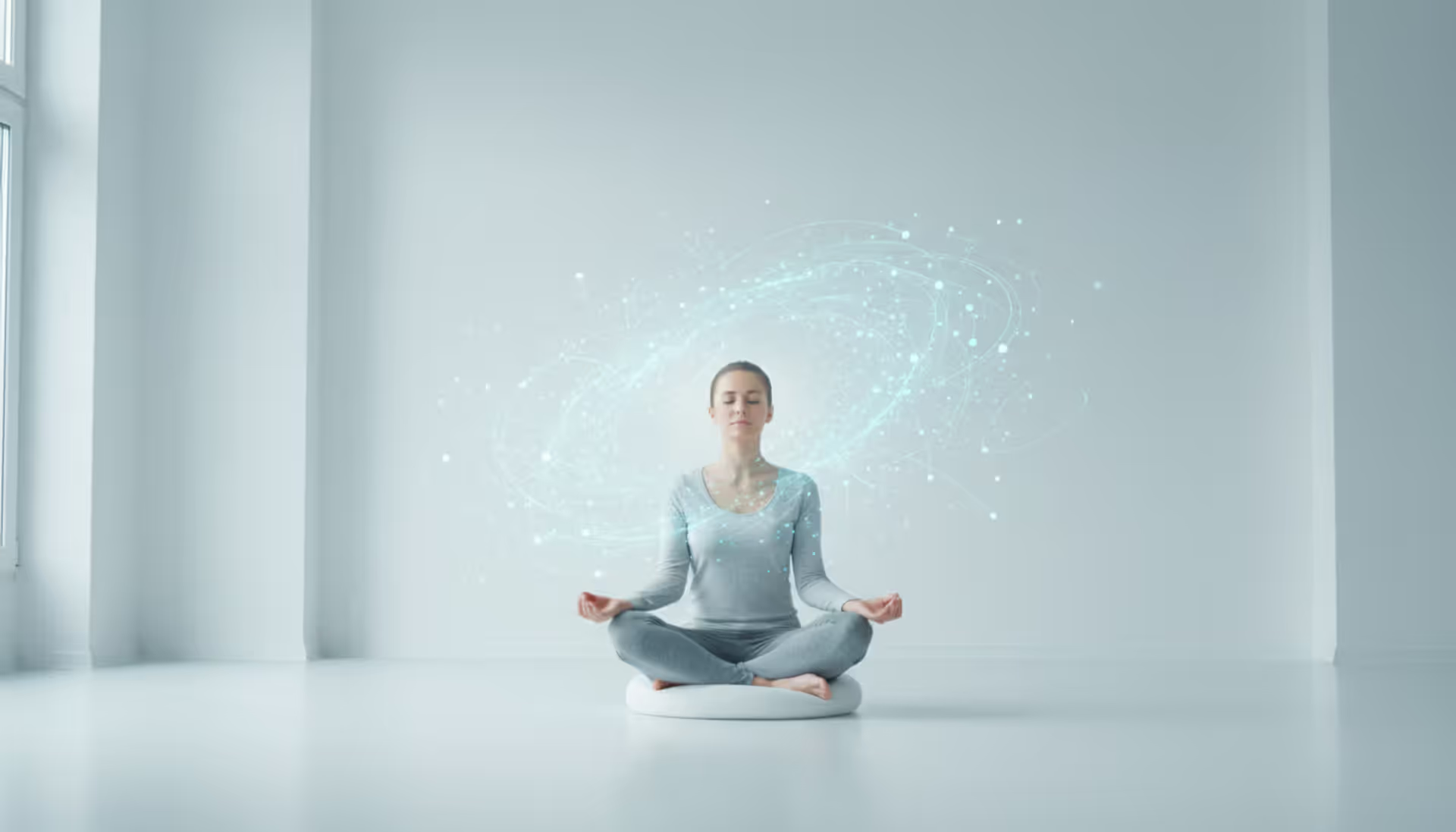
Person meditating in a calm bright room with a soft glowing neural network visualization around their head symbolizing brain activity and pain processing
Chronic pain doesn't just hurt—it hijacks your entire existence. You've probably tried medications, physical therapy, maybe even surgery. Here's something that might surprise you: your brain can learn to process pain differently, and meditation is the training tool that makes it possible.
I'm not talking about positive thinking or pretending the pain isn't there. Over the past twenty years, neuroscientists have documented actual physical changes in the brains of people who meditate regularly. These aren't subtle shifts—we're seeing 27% reductions in pain intensity in controlled studies, changes visible on fMRI scans.
The science is clear: specific meditation approaches rewire the neural pathways that amplify and perpetuate chronic pain. Think of it as upgrading your brain's pain-processing software.
How Does Meditation Help with Pain
Does meditation help with pain? Let me show you what happens inside your skull.
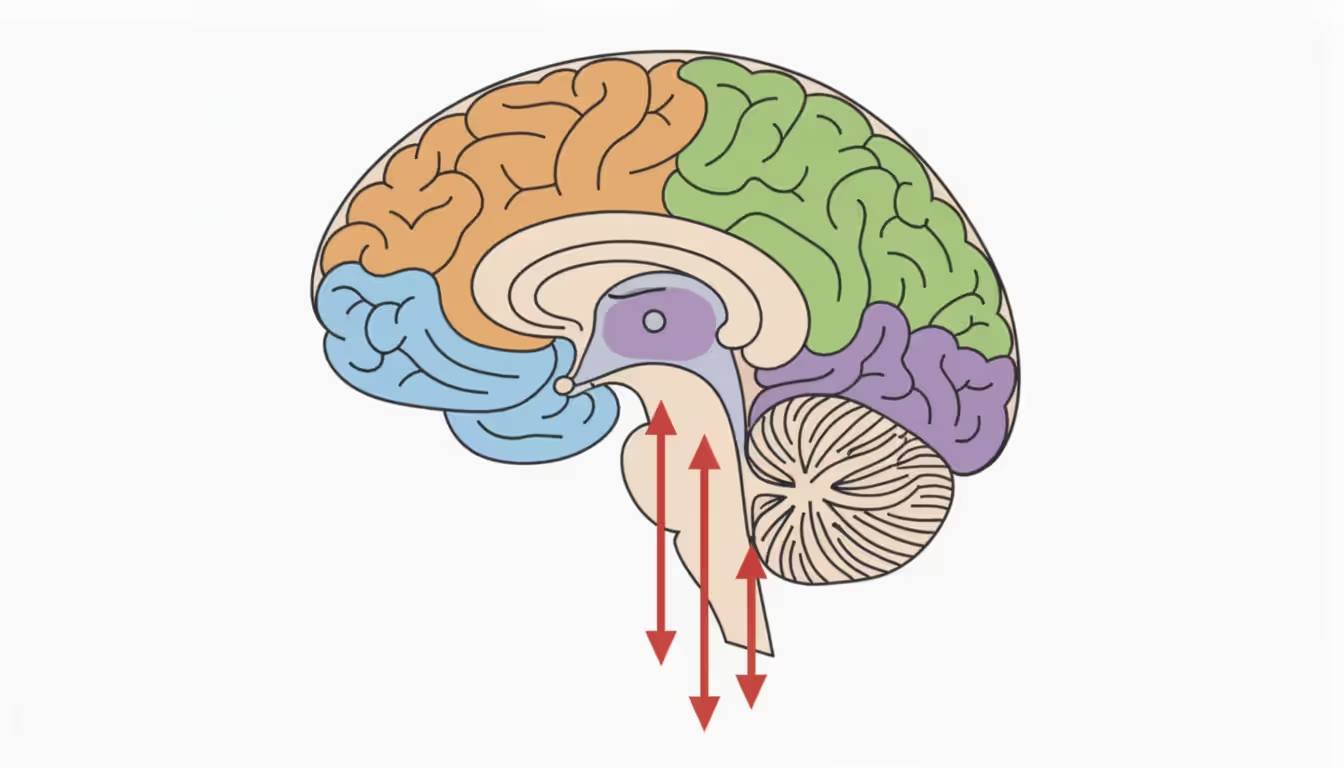
Pain isn't a simple on/off switch. When you stub your toe, that initial "ouch" signal travels through your spinal cord to your thalamus—basically the brain's reception desk for incoming sensory information. From there, signals scatter to multiple regions: the somatosensory cortex maps where it hurts and how much, the anterior cingulate cortex adds emotional weight ("this is awful!"), and the prefrontal cortex tries to make sense of it all.
Here's where meditation changes everything. fMRI studies from Wake Forest Baptist Medical Center show that people who meditate regularly display dramatically reduced activity in their thalamus when exposed to the same painful stimulus as non-meditators. Translation? Fewer pain signals even make it to conscious awareness.
Author: Sophie Ellington;
Source: 5sensesspa.com
How meditation reduces pain perception gets even more interesting. Researchers discovered that meditation doesn't just decrease thalamic relay activity—it strengthens your prefrontal cortex, the brain's CEO. With a beefed-up prefrontal cortex, you can observe a pain sensation without immediately spiraling into catastrophic thinking ("This will never end," "Something must be seriously wrong," "I can't handle this").
Dr. Fadel Zeidan's research team found something remarkable: meditation reduced pain unpleasantness ratings by 44% even when participants received naloxone, a drug that blocks opioid receptors. This proved that meditation wasn't just triggering the body's natural painkillers—it was fundamentally changing pain processing through multiple independent pathways.
The structural changes are real and measurable. Eight weeks of daily meditation increases gray matter density in the anterior cingulate cortex. That's not metaphorical—your brain physically rebuilds itself.
There's also the autonomic nervous system angle. Chronic pain keeps your sympathetic nervous system stuck in overdrive, which tenses muscles, increases inflammation, and amplifies pain signals. Meditation shifts you into parasympathetic dominance—the "rest and digest" mode—which interrupts this vicious cycle.
Best Meditation Techniques for Pain Relief
You can't just sit down, close your eyes, and expect magic. The best meditation for pain relief requires matching the right technique to your specific situation.
Body Scan Meditation for Pain Awareness
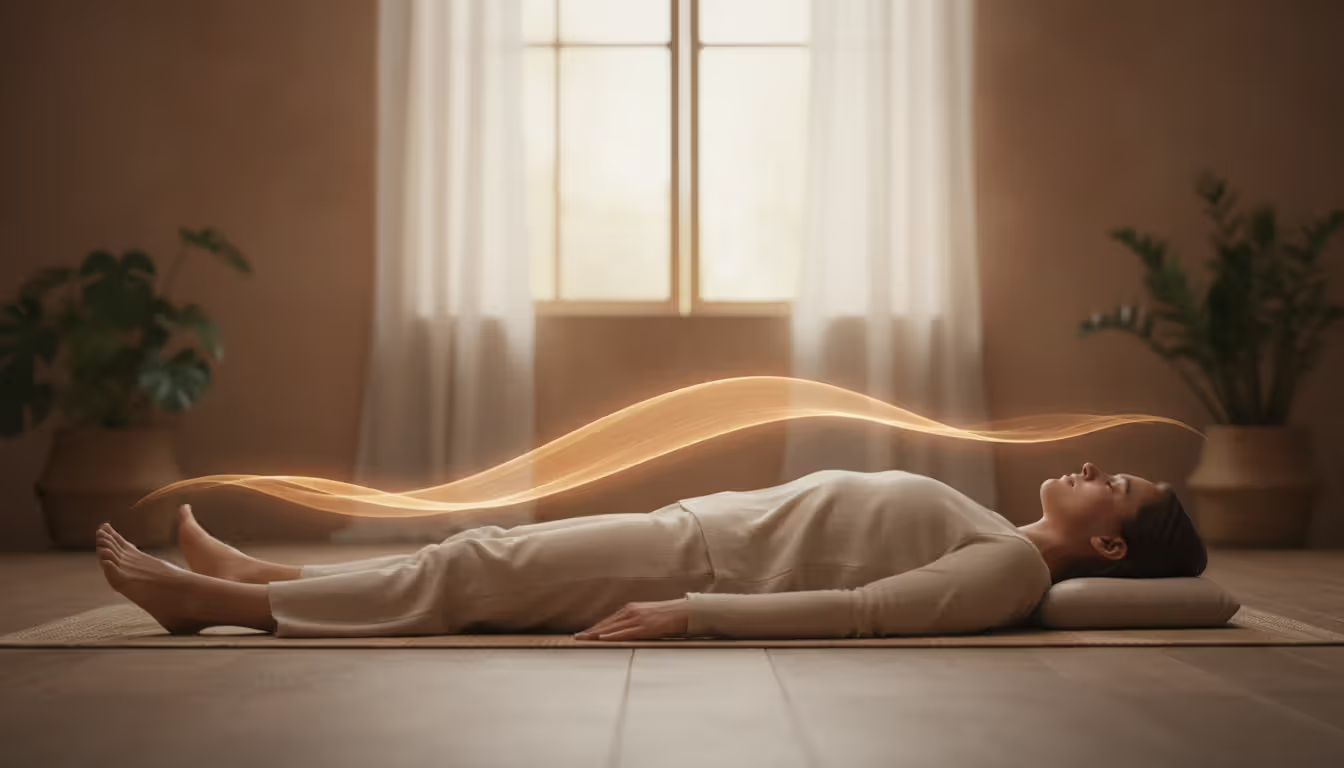
This body awareness meditation for pain sounds counterintuitive: instead of trying to escape your discomfort, you systematically examine every inch of your body.
Start at your toes. Spend 20-30 seconds noticing temperature, tingling, pressure, tension—whatever's there. Move slowly up through your feet, calves, knees, thighs. When you hit a painful area (and you will), here's the key: get curious instead of getting tense.
What exactly does this pain feel like? Sharp like a knife or dull like a bruise? Does it pulse with your heartbeat? Is it surface-level or deep inside? Hot or cold? These aren't rhetorical questions—actively investigate the sensations.
A patient I know with chronic shoulder pain discovered something shocking during her first body scan. She'd described her pain as "constant and severe" for three years. But when she actually paid close attention, she noticed the intensity fluctuated wildly—sometimes barely noticeable, sometimes spiking. She'd never registered these variations before because she was always bracing against the pain, creating a constant layer of muscle tension that actually made everything worse.
That's the paradox: accepting pain sensations without fighting them often reduces the intensity. You stop adding the suffering of resistance on top of the pain itself.
Author: Sophie Ellington;
Source: 5sensesspa.com
Mindfulness-Based Stress Reduction (MBSR)
Mindfulness based pain reduction didn't emerge from some wellness retreat—it was developed specifically for chronic pain patients at UMass Medical Center who'd exhausted conventional treatment options.
MBSR is an eight-week structured program combining body scans, sitting meditation, gentle yoga, and crucial education about pain neuroscience. You meet for 2.5 hours weekly in a group setting and commit to 45 minutes of daily home practice.
That's a serious time investment. But here's what makes it work: you're not just learning to relax. You're rewiring your relationship with pain through repeated exposure in a mindful context.
The program teaches something radical: you can experience pain without suffering. Physical pain exists, yes—but the mental anguish ("Why me?"), the catastrophizing ("This will ruin my life"), and the fear ("What if it gets worse?") are separate layers you're adding unconsciously.
Studies show benefits even if you only complete 60% of the assigned practices. Perfect adherence isn't required—consistent effort is.
Breath-Focused Meditation
This meditation pain relief technique works anywhere, anytime, with zero equipment.
Focus on the physical sensations of breathing. Cool air entering your nostrils. Your chest expanding. The brief pause between breaths. Warmth as you exhale.
You're not trying to breathe "correctly"—just observing what's already happening. When your mind wanders (which it will, constantly), notice where it went, then gently redirect attention back to breathing sensations. That redirection? That's the exercise. You're strengthening attention control with each repetition.
The physiological mechanism matters here. Slow diaphragmatic breathing at 6-8 breaths per minute activates your vagus nerve, which regulates inflammatory responses throughout your body. Research shows this increases heart rate variability—a marker of nervous system flexibility strongly correlated with pain tolerance.
When pain spikes, your breathing automatically becomes shallow and chest-centered, which increases muscle tension and anxiety. Training yourself to maintain slow belly breathing during pain flares interrupts this cascade. Many people find that imagining breath flowing into their painful lower back or arthritic knee (anatomically impossible, but mentally effective) provides surprising relief.
Author: Sophie Ellington;
Source: 5sensesspa.com
Guided Imagery for Pain Management
Visualization activates the same brain regions as actual sensory experiences. That's not woo-woo—it's neuroscience.
Try this: imagine your pain has a color. Maybe it's angry red or dark purple. Now imagine that color slowly shifting—red fading to orange, then warm yellow, then cool blue. As the color changes, imagine the sensation changing too. Hot becoming warm. Sharp becoming dull. Intense becoming manageable.
Another approach: visualize healing light or cool water flowing through the painful area, washing away discomfort with each breath.
Guided imagery works best with recorded instructions (apps or YouTube), allowing you to stay receptive rather than actively directing the visualization. Sessions typically run 10-20 minutes and can supplement other practices or serve as emergency intervention during pain flares.
Meditation for Specific Pain Conditions
While core principles apply broadly, certain pain conditions respond better to tailored approaches.
Meditation for back pain needs to address both physical tension patterns and the movement anxiety that develops after back injuries. Many people with chronic lower back pain unconsciously tense their hips, abdomen, and shoulders in an attempt to "protect" their back—which ironically creates more strain.
Body scans help identify these holding patterns. Try this: sit or stand normally, then slowly scan for unnecessary muscle tension. Can you release your shoulders on the exhale without collapsing? Can your abdominal muscles soften slightly while maintaining posture? This teaches the crucial distinction between necessary postural engagement and habitual over-contraction.
Arthritis pain pairs well with loving-kindness meditation combined with body awareness. Instead of treating inflamed joints as enemies to battle, direct compassionate attention toward affected areas. Acknowledge the difficulty while reducing the emotional resistance that intensifies pain perception.
Fibromyalgia presents unique challenges—widespread pain, central sensitization, and often severe anxiety about symptoms. MBSR specifically addresses the catastrophizing common in fibromyalgia patients. A 2024 study showed that participants experienced reduced pain severity and improved quality of life maintained at six-month follow-up.
Migraines and tension headaches respond particularly well to breath-focused meditation practiced at the first warning signs. Early intervention can prevent the escalation cascade that leads to full-blown migraine. Between episodes, regular practice reduces baseline stress levels and muscle tension, decreasing both frequency and intensity of headaches.
How to Start a Meditation Practice for Pain Management
Most people sabotage themselves before they start. They commit to 30-minute sessions, miss a few days, feel guilty, then quit entirely.
Here's a better approach: start with five minutes daily. That's it. Five minutes is short enough that you can't rationalize skipping it, and long enough to build the habit.
Author: Sophie Ellington;
Source: 5sensesspa.com
Pick a specific time. Morning practice prevents pain-related anxiety from building throughout the day. Evening sessions release accumulated tension and improve sleep quality (poor sleep amplifies next-day pain significantly). Choose based on your schedule and pain patterns, not some ideal you read about.
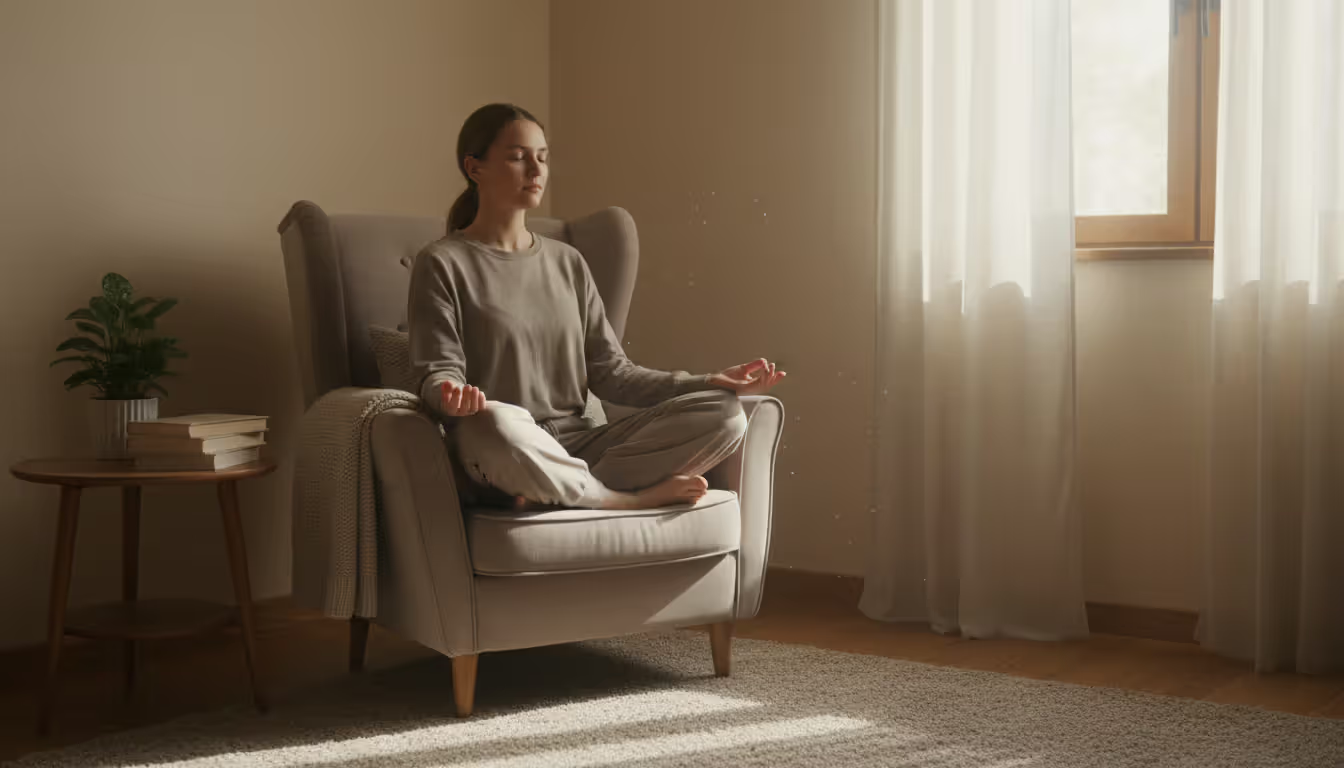
Skip the elaborate setup. A comfortable chair beats forcing yourself into a cross-legged floor position that creates new pain. You don't need silence—learning to meditate with normal household sounds builds a practical skill you can use anywhere.
Weeks one and two: breath awareness only. Sit comfortably, close your eyes, notice breathing sensations. Mind wanders? Return attention to breath. That's it. Don't judge yourself for wandering attention—everyone's mind wanders. The practice is noticing and returning, over and over.
Weeks three and four: add 10-minute body scans. Move attention systematically through major body regions, observing sensations without trying to change anything. When you encounter painful areas, practice staying present with the sensation for 30 seconds before moving on. Notice how pain intensity actually fluctuates during those 30 seconds—it's never as "constant" as it seems when you're avoiding it.
Week five onward: experiment. Try different techniques. Some people respond better to breath focus, others to body scans or guided imagery. Effectiveness trumps theory—use what works for your specific pain patterns.
Track your practice using a simple journal or app. Note meditation duration, technique used, and pain levels before and after practice (use a 0-10 scale). This data reveals which approaches work best and provides motivation by documenting gradual improvements you might otherwise miss.
Common Mistakes When Using Meditation for Pain
The biggest mistake? Expecting pain to vanish immediately. You're retraining neural pathways that took years or decades to form—that doesn't happen in a week.
Meditation typically changes your relationship with pain before reducing intensity. You might notice first that pain bothers you less, that you can focus on other things despite discomfort, that anxiety about pain decreases. Intensity reductions usually follow, but on a timeline of weeks to months, not days.
Many people choose techniques that don't match their pain or personality. If sitting still intensifies your pain, start with gentle mindful movement instead of forcing static meditation. If your mind races relentlessly, try breath counting (a more structured approach) rather than open awareness practices.
Inconsistent practice prevents the neuroplastic changes that create lasting relief. Meditating for an hour on Sundays produces fewer benefits than ten minutes daily. Your brain needs regular repetition to strengthen new pathways and weaken old pain-processing patterns.
Some people turn meditation into another source of stress, berating themselves for "doing it wrong" or having wandering attention. Here's a secret: even experienced meditators spend substantial time mentally elsewhere. Mind-wandering is normal. The practice involves noticing when attention has drifted and gently returning focus—not achieving perfect concentration.
The most dangerous mistake: treating meditation as a replacement for medical care. Meditation complements medical treatment; it doesn't replace it. Using meditation to avoid necessary medical evaluation can allow serious conditions to progress. Always work with healthcare providers to integrate meditation into comprehensive pain management.
Scientific Evidence Behind Mindfulness and Pain Reduction
Meditation doesn't just help you cope with pain—it fundamentally changes how pain is processed in the brain. We see reduced activity in pain-intensity coding regions and increased activation in areas involved in pain regulation. This isn't placebo or distraction; it's a trainable skill that modifies pain at its neurological source
— Dr. Fadel Zeidan
A 2025 meta-analysis examined 38 randomized controlled trials involving mindfulness for chronic pain. Results showed moderate to large reductions in pain intensity—average decreases of 22-30% compared to control groups receiving standard care.
University of California San Diego researchers demonstrated that even brief training works. Participants received just four 20-minute meditation sessions—total training time of 80 minutes. When exposed to painful heat stimuli, these novice meditators showed significantly reduced pain sensitivity compared to controls. Brain imaging confirmed they weren't just "toughing it out"—their brains were processing pain through different neural pathways than non-meditators.
Long-term follow-up studies reveal that benefits persist with continued practice. Researchers tracked MBSR participants for five years after program completion. Those maintaining regular practice reported sustained improvements in both pain levels and functional capacity. Those who stopped meditating gradually returned to baseline pain levels over 12-18 months.
Clinical trials examining meditation and pain management for specific conditions—osteoarthritis, chronic low back pain, irritable bowel syndrome—consistently show benefits beyond standard medical care alone. The National Institutes of Health now lists meditation as an evidence-based complementary approach for chronic pain management.
But limitations exist. Meditation works better for some conditions than others. Strongest evidence supports its use for musculoskeletal pain, headaches, and fibromyalgia. Evidence for neuropathic pain remains weaker, though emerging.
Individual response varies considerably. Roughly 60-70% of practitioners experience meaningful benefits. That means 30-40% see minimal change. We don't yet fully understand why some people respond dramatically while others don't.
Comparing Different Meditation Approaches
Meditation Type
Works Best For
Daily Time Needed
Learning Curve
Research Support
Body Scan
Fibromyalgia, widespread pain, tension you can't locate
10-30 minutes
Easy to start, builds with practice
Extensive clinical trials
MBSR Program
Severe chronic pain, high distress, need for structure
45 minutes daily across 8 weeks
Moderate commitment required
Strongest evidence base
Breath Focus
Pain flares, headaches, need portable technique
5-15 minutes
Very beginner-friendly
Solid research foundation
Guided Imagery
Specific pain locations, procedure-related pain
10-20 minutes
Easy (just listen)
Growing evidence
Loving-Kindness
Pain with emotional components, arthritis
15-25 minutes
Takes patience to learn
Newer, promising research
FAQ
Does meditation actually reduce physical pain or just perception?
Both, through separate mechanisms you can see on brain scans. fMRI imaging shows decreased activity in the primary somatosensory cortex (which processes pain intensity) in meditators—that's actual reduction in pain signal processing, not just changed perception. Simultaneously, meditation quiets emotional processing regions, reducing the suffering component of pain. You end up with less pain sensation reaching consciousness AND less emotional distress about the pain that does get through. A 2023 study from Wake Forest demonstrated pain intensity reductions of 27% and pain unpleasantness reductions of 44%—those are distinct measurements of physical sensation versus emotional response.
How long does it take for meditation to help with chronic pain?
Most people notice initial shifts within 2-4 weeks of daily practice. First changes typically involve reduced anxiety about pain and improved ability to function despite discomfort—you're not necessarily hurting less yet, but it bothers you less. Actual pain intensity decreases usually emerge after 6-8 weeks of consistent practice. The neuroplastic changes underlying lasting relief develop gradually—brain imaging studies document measurable structural changes in pain-processing regions after 8-12 weeks of regular meditation. Some people experience dramatic relief earlier, others take longer. Consistency matters more than any other factor.
What is the best time of day to meditate for pain relief?
The honest answer: whenever you'll actually do it consistently. That said, different times offer different advantages. Morning meditation (10-15 minutes) establishes a calm baseline before daily activities and prevents pain-related anxiety from accumulating. Evening practice (20-30 minutes) releases tension built up during the day and can dramatically improve sleep quality, which significantly affects next-day pain levels. Many people split the difference—brief morning practice plus longer evening sessions. For acute pain flares, forget the schedule and meditate whenever pain intensifies. Emergency intervention beats waiting for your "designated time."
Can meditation replace pain medication?
No, and anyone suggesting it can is dangerously wrong. Meditation complements medical treatment; it doesn't replace it. Some people successfully reduce medication dosages after developing consistent meditation practice, but such changes must happen under medical supervision, not independently. Meditation works best as one component of comprehensive pain management including appropriate medications, physical therapy, lifestyle modifications, and other evidence-based treatments. The goal isn't choosing between meditation and medicine—it's strategically using both to maximize pain relief and function while minimizing medication side effects.
Is meditation safe for all types of chronic pain?
Generally yes, but important exceptions exist. People with trauma histories may find body-focused meditation triggering and should work with trauma-informed instructors who understand these risks. Those with severe depression should ensure meditation complements appropriate mental health treatment rather than substituting for it. If meditation consistently increases pain or distress (rather than temporarily surfacing difficult emotions that then resolve), try different techniques or work with an instructor experienced in pain management applications. Always inform your healthcare providers about meditation practice as part of your overall pain management plan—comprehensive care requires everyone working from the same playbook.
How is mindfulness-based pain reduction different from regular meditation?
MBSR is a specific eight-week structured program designed explicitly for chronic pain management, combining multiple meditation techniques with pain neuroscience education and group support. Regular meditation typically means practicing a single technique individually without educational framework. MBSR includes body scans, sitting meditation, mindful movement, and detailed teaching about how meditation changes pain processing in your brain. The structured format, professional instruction, pain-specific focus, and group support make MBSR more effective for chronic pain than self-directed general meditation, though both offer real benefits. Think of it as the difference between watching YouTube workout videos versus working with a personal trainer who designs a program specifically for your needs.
Meditation offers a scientifically validated tool for chronic pain management that works by rewiring how your brain processes pain signals. Unlike medications providing temporary symptom relief, meditation develops lasting skills that reduce both pain intensity and suffering.
Success requires patience, consistency, and realistic expectations. Begin with brief daily sessions using simple techniques—breath awareness or body scans work well for most people. Gradually expand your practice as comfort and skill develop, experimenting with different approaches to discover what works best for your specific pain condition.
Remember that meditation works alongside medical care, not instead of it. Collaborate with your healthcare providers to integrate meditation into a comprehensive pain management plan that may include medications, physical therapy, and other treatments.
The neuroplastic changes underlying meditation's pain-relief effects develop over weeks to months. Track your progress, celebrate small improvements (reduced anxiety counts as progress even if pain intensity hasn't changed yet), and maintain regular practice even when results seem slow. Your brain's pain-processing pathways took years to develop their current patterns—rewiring them requires time and repetition.
Approach meditation with self-compassion rather than self-judgment. There's no "perfect" practice. Struggling with wandering attention or difficult emotions is completely normal. Each time you notice your mind has wandered and gently return attention to your chosen focus, you're strengthening the neural pathways that will eventually reduce your pain.
Thousands of chronic pain patients have found significant relief through meditation practice. With consistent effort and appropriate guidance, you can develop skills that fundamentally change your relationship with pain and improve your quality of life.
Research shows 8-14% of meditators experience significant adverse effects. From anxiety amplification to dark night experiences, meditation isn't risk-free. Understand physical and psychological dangers, who's most vulnerable, and how to recognize when practice becomes harmful
Discover how meditation interrupts the stress cycle through proven physiological mechanisms. This comprehensive guide covers meditation types, nervous system effects, cortisol reduction, workplace practices, and research-backed techniques for building a sustainable stress meditation practice
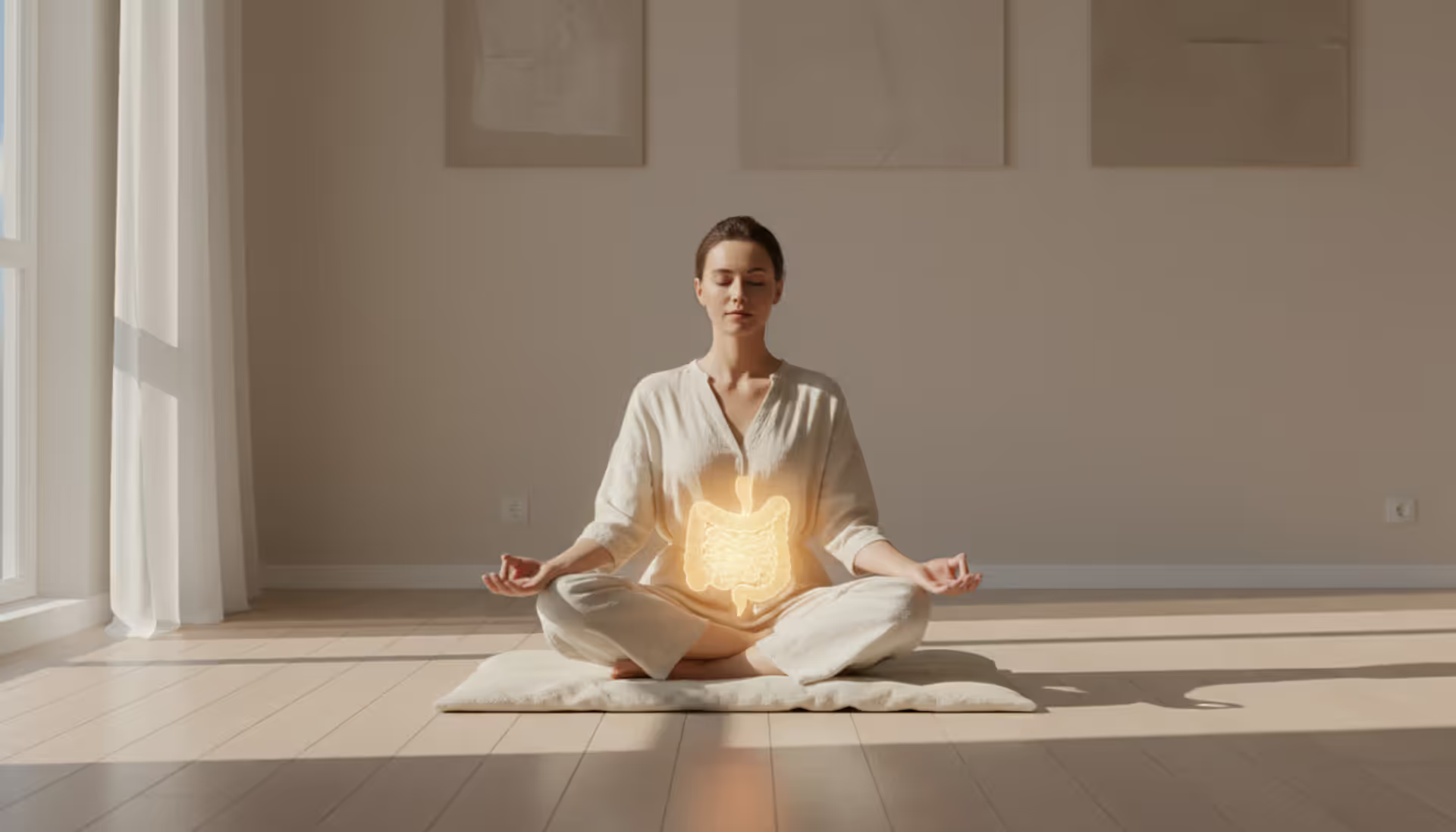
Your stomach churns before a big presentation. A stressful week leaves you bloated and uncomfortable. The connection between your mental state and digestive system isn't just in your head—it's a biological reality that meditation can help address through the gut-brain axis and vagus nerve activation
Sharing meditation with your romantic partner creates a unique space for emotional intimacy that most couples never experience. Research shows couples who practice mindfulness together report 23% higher relationship satisfaction while building deeper connection at a neurological level
The content on this website is provided for general informational and educational purposes only. It is intended to explain concepts related to meditation, mindfulness, mental health, and spiritual practices.
All information on this website, including articles, guides, and examples, is presented for general educational purposes. Meditation outcomes may vary depending on individual practices, health conditions, and guidance.
This website does not provide medical, mental health, or spiritual advice, and the information presented should not be used as a substitute for consultation with qualified professionals.
The website and its authors are not responsible for any errors or omissions, or for any outcomes resulting from decisions made based on the information provided on this website.