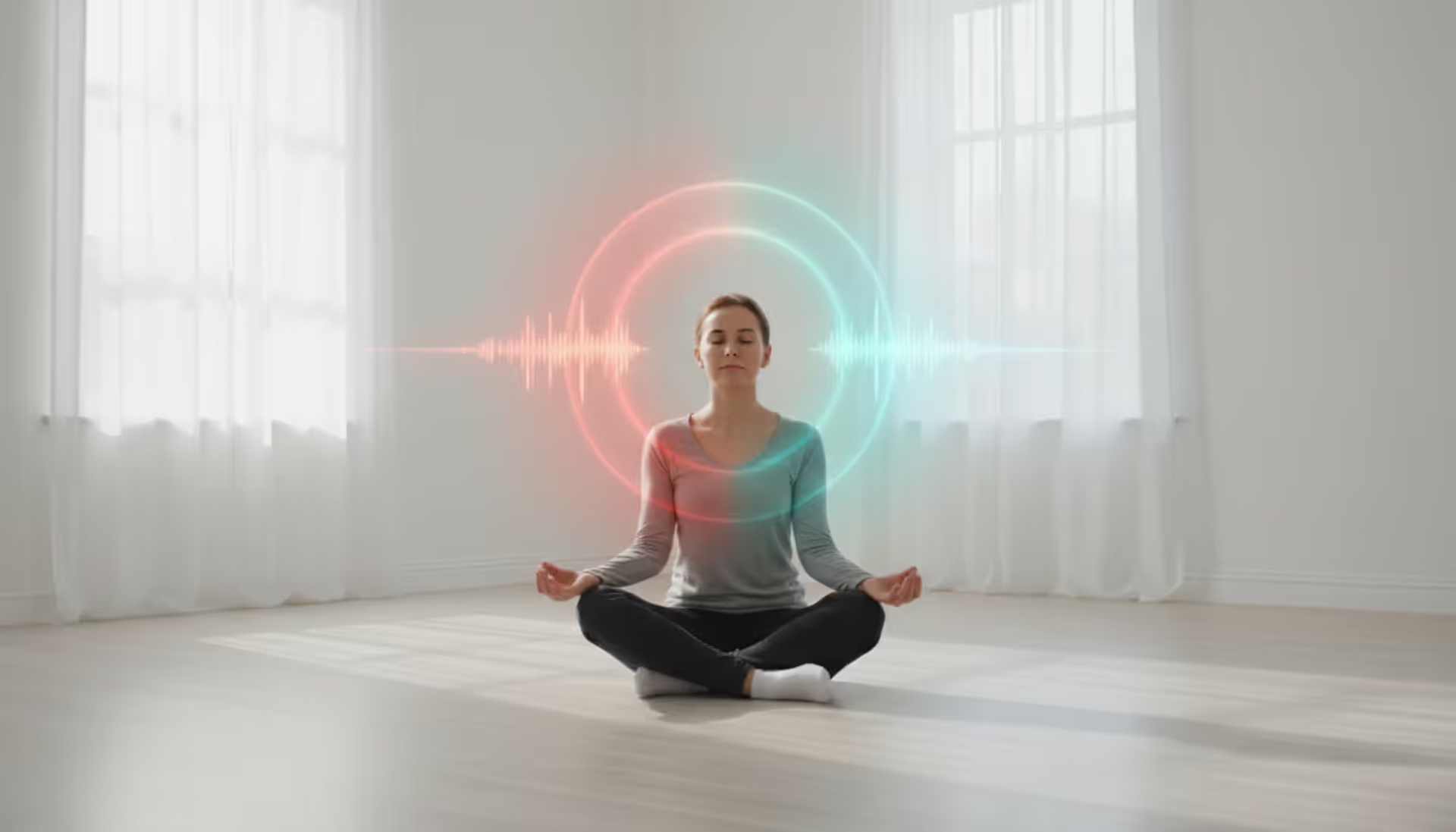
Anger can feel like a sudden storm—your heart races, your jaw clenches, and before you know it, words fly out that you can't take back. If you've ever replayed an angry outburst in your mind hours later, wondering why you couldn't just pause and breathe, you're not alone. Millions of people struggle with anger responses that seem to bypass rational thought entirely.
Meditation has gained attention as a tool for managing anger, but does it actually work? The short answer is yes, but not in the way most people expect. Meditation doesn't suppress anger or make you unnaturally calm. Instead, it changes how your brain processes emotional triggers and gives you a window of choice between feeling angry and acting on it. That small gap can make all the difference.
How Meditation Affects Anger Response in the Brain
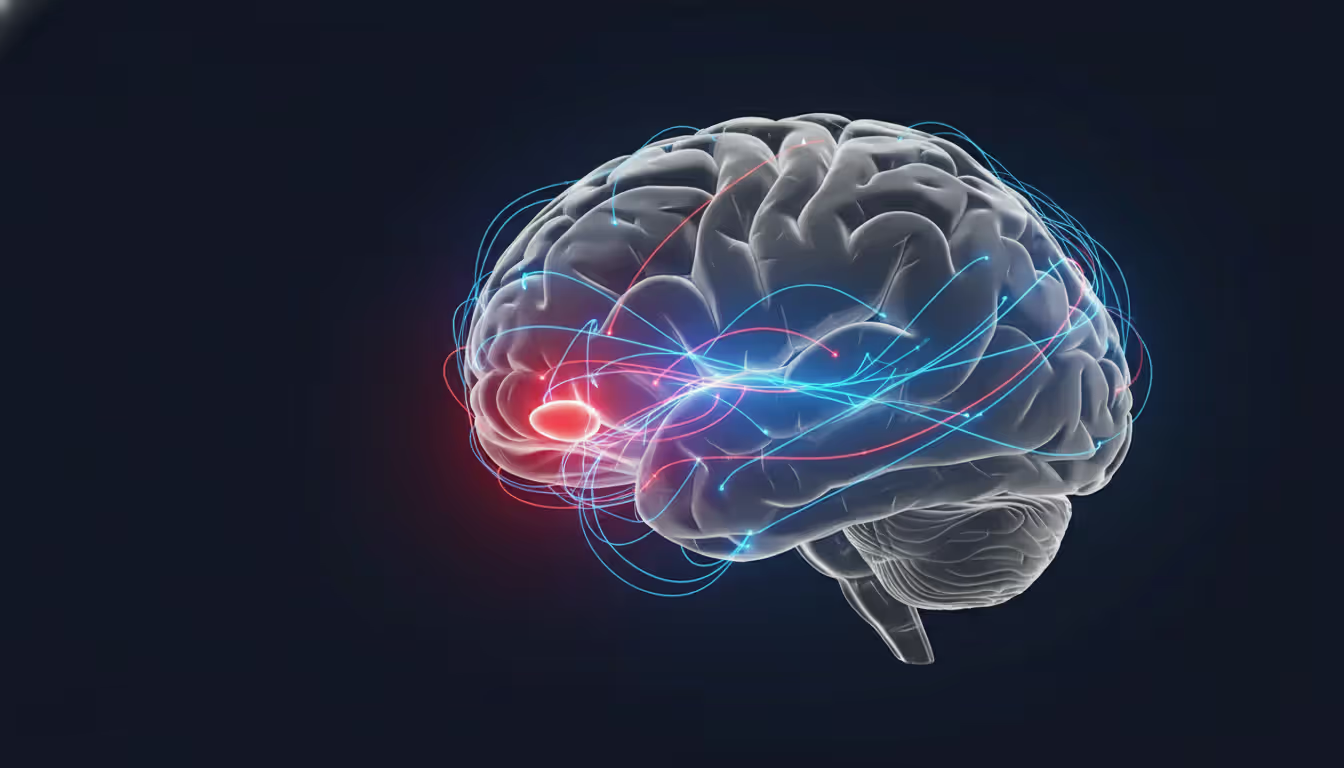
When something triggers your anger—a rude comment, a traffic jam, a perceived injustice—your brain's amygdala fires up. This almond-shaped structure acts as your emotional alarm system, triggering the fight-or-flight response before your rational prefrontal cortex can weigh in. In people who frequently experience intense anger, this pathway becomes a well-worn groove, making angry reactions almost automatic.
Regular meditation practice physically alters this neural pathway. Brain imaging studies show that consistent meditators have reduced amygdala reactivity when exposed to emotional stimuli. The prefrontal cortex—responsible for rational thinking and emotional regulation—shows increased activity and thickness in people who maintain a meditation practice over time.
This isn't about willpower or positive thinking. Meditation strengthens the actual neural connections between your emotional centers and your reasoning centers. Think of it like building a highway between two cities that previously only had a dirt road connecting them. The communication becomes faster and more efficient.
The stress response reduction plays a major role here. Chronic stress keeps your nervous system on high alert, making anger triggers more sensitive. Meditation activates the parasympathetic nervous system—your body's natural calming mechanism—which lowers baseline cortisol levels. When you're not operating from a place of constant low-level stress, it takes more to push you into full-blown anger.
Meditation and self awareness work together in this process. Most people don't notice they're getting angry until they're already yelling or slamming doors. Meditation trains you to recognize the physical sensations that precede anger: the tightness in your chest, the heat in your face, the tension in your shoulders. This early warning system gives you time to intervene before the anger takes over completely.
Author: Sophie Ellington;
Source: 5sensesspa.com
How meditation improves mood extends beyond anger management. Regular practice increases activity in the left prefrontal cortex, associated with positive emotions and approach behaviors. This doesn't mean you'll never feel angry, but the overall emotional baseline shifts. You might find yourself less irritable on an average Tuesday, more patient with minor annoyances, and quicker to return to equilibrium after an upsetting event.
Evidence-Based Benefits of Meditation for Anger Management
Research on meditation for emotional regulation has expanded significantly in recent years. A 2025 meta-analysis examining 42 studies found that participants who practiced mindfulness meditation showed a 32% reduction in self-reported anger incidents compared to control groups. More importantly, these benefits persisted at six-month follow-ups, suggesting lasting changes rather than temporary effects.
The emotional benefits of meditation appear across different populations. Studies involving prison inmates, corporate executives, and college students all show measurable improvements in anger-related outcomes. This suggests the mechanism works regardless of the source or context of anger.
Improved Emotional Awareness and Self-Control
One of the most significant benefits is what researchers call "meta-cognitive awareness"—the ability to observe your thoughts and emotions without immediately identifying with them. Instead of "I am angry," you learn to notice "I'm having angry thoughts." This subtle shift creates psychological distance.
In practical terms, this means catching yourself mid-sentence during an argument and choosing different words. It means noticing the urge to send a scathing email and waiting an hour instead. These moments of choice accumulate over time, fundamentally changing your relationship with anger.
Meditation for emotional wellbeing strengthens what psychologists call the "response flexibility"—the gap between stimulus and response that Viktor Frankl famously described as where freedom lies. People who meditate regularly report feeling less hijacked by their emotions, even when the emotions themselves remain intense.
Better Stress Recovery and Mood Stability
Anger rarely exists in isolation. It's often the tip of an emotional iceberg that includes stress, anxiety, frustration, and fatigue. Meditation for emotional resilience addresses this broader emotional landscape.
Heart rate variability (HRV)—a measure of your nervous system's ability to recover from stress—improves with regular meditation practice. Higher HRV correlates with better emotional regulation and lower reactivity to anger triggers. People with consistent meditation practices show faster return to baseline after anger-inducing situations.
The mood stability piece matters because many anger outbursts stem from accumulated stress rather than the immediate trigger. You don't yell at your partner because they forgot to buy milk; you yell because you're running on five hours of sleep, your boss criticized your work, and traffic was terrible. Meditation helps prevent this emotional buildup by providing regular stress release.
Types of Meditation That Work Best for Anger
Not all meditation approaches work equally well for anger management. Some techniques specifically target the mechanisms that drive angry reactions, while others provide general stress relief that indirectly helps with anger control.
Meditation Type
Best For
Time Commitment
Difficulty Level
Key Benefits for Anger
Mindfulness Meditation
Real-time anger awareness and interruption
10-20 min daily
Beginner-friendly
Catches anger early, creates response gap
Body Scan
Physical tension and stress accumulation
15-30 min
Easy
Releases stored tension, prevents buildup
Loving-Kindness (Metta)
Resentment and interpersonal anger
10-15 min
Moderate
Softens hostile feelings, increases empathy
Shadow Work Meditation
Deep-rooted anger patterns and triggers
20-40 min
Advanced
Addresses underlying causes, heals old wounds
Breath-Focused
Immediate anger de-escalation
3-5 min
Very easy
Quick calming, accessible anywhere
Mindfulness Meditation for Real-Time Anger Awareness
Mindfulness and anger work together because mindfulness teaches you to notice what's happening in the present moment without judgment. When you feel anger rising, mindfulness practice lets you observe it: "My face feels hot. My fists are clenched. I'm having the thought that this person is disrespecting me."
This observational stance doesn't make the anger disappear, but it prevents you from being completely consumed by it. You're experiencing anger rather than becoming anger.
A basic mindfulness practice for anger involves sitting quietly and paying attention to your breath. When thoughts arise—including angry thoughts—you simply notice them and return attention to breathing. This seems simple, but it's training your brain in the exact skill you need when anger strikes: the ability to redirect attention away from inflammatory thoughts.
Meditation for anger management through mindfulness works best when practiced regularly, not just when you're angry. Trying to meditate for the first time in the middle of a rage is like trying to learn to swim while drowning. The neural pathways need to be established during calm moments so they're available during storms.
Shadow Work Meditation for Underlying Emotional Patterns
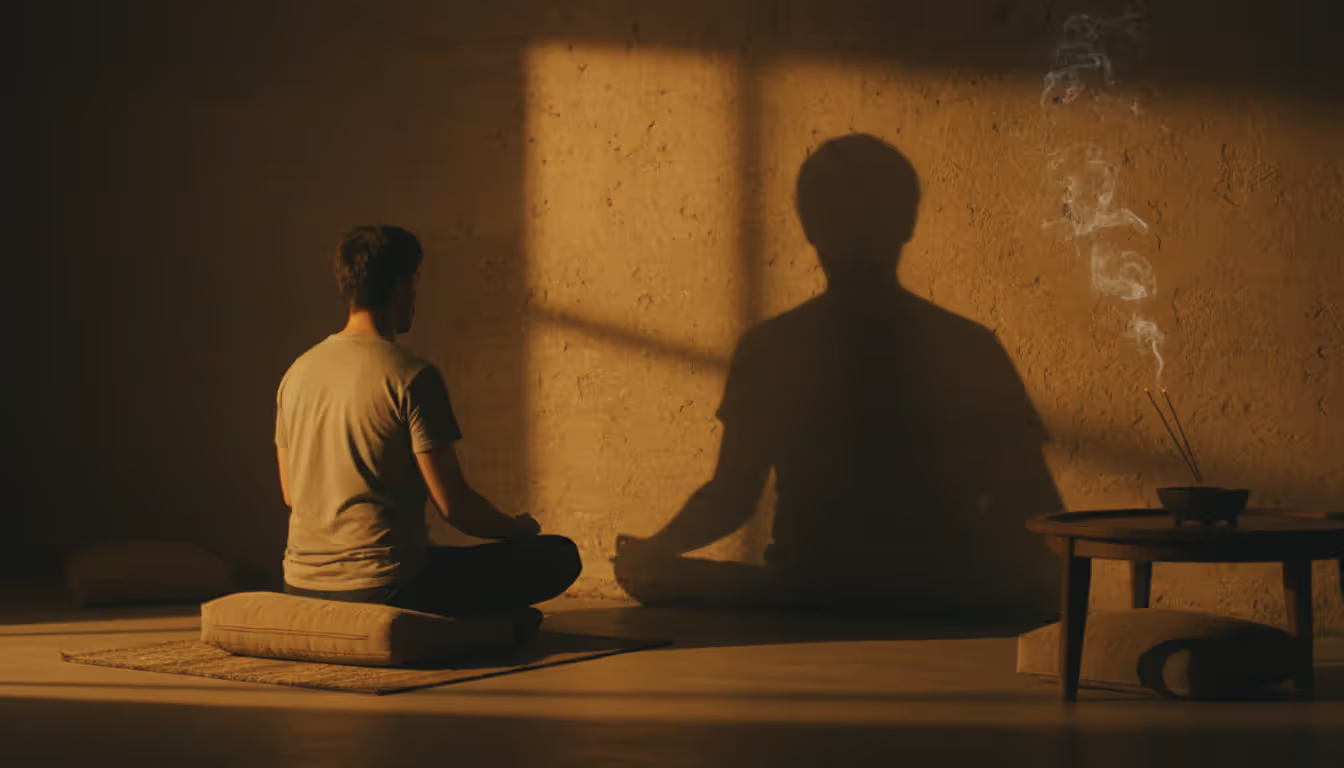
Shadow work meditation addresses a deeper layer—the unconscious emotional patterns that make you vulnerable to specific anger triggers. Maybe you explode when you feel disrespected because childhood experiences taught you that respect equals safety. Perhaps you rage at incompetence because you internalized impossible standards.
This approach, influenced by Jungian psychology, involves guided meditation that explores difficult emotions and memories. You might visualize yourself at the age when certain patterns formed, or dialogue with the part of yourself that carries rage.
Author: Sophie Ellington;
Source: 5sensesspa.com
Shadow work meditation isn't for beginners. It requires emotional stability and often works best with guidance from a therapist or experienced meditation teacher. But for people whose anger stems from unresolved trauma or deep-seated patterns, surface-level techniques may not provide lasting relief.
The process can be uncomfortable. You might encounter painful memories or aspects of yourself you'd rather not acknowledge. However, bringing these unconscious patterns into awareness gives you the chance to heal them rather than continuing to act them out.
How to Start a Meditation Practice for Anger Control
Starting a meditation practice for anger management doesn't require special equipment, expensive apps, or hours of free time. What it does require is consistency and realistic expectations.
Begin with five minutes daily rather than attempting 30-minute sessions you'll abandon after a week. Set a specific time—right after waking up or just before bed works for many people—and treat it like brushing your teeth, not like a luxury you'll get to when life calms down.
For the first two weeks, focus on basic breath awareness. Sit comfortably, close your eyes, and count your breaths from one to ten, then start over. When your mind wanders (and it will, constantly), simply return to counting without self-criticism. This simple practice builds the foundational skill of attention control.
Author: Sophie Ellington;
Source: 5sensesspa.com
After establishing this baseline, add a body scan element. Spend a minute or two noticing physical sensations, particularly in areas where you tend to hold tension—jaw, shoulders, stomach. This trains you to recognize the physical warning signs of rising anger.
Common obstacles include:
The "I can't clear my mind" trap: Meditation isn't about having no thoughts. It's about not getting swept away by every thought. Your mind will wander hundreds of times in a single session. That's normal and expected.
Inconsistent practice: Meditating for an hour on Sunday doesn't equal meditating for ten minutes daily. Your brain needs regular repetition to form new neural pathways. Missing a day isn't catastrophic, but missing most days means you won't see results.
Expecting meditation to eliminate anger: Meditation won't make you a serene monk who never gets angry. It will help you notice anger earlier, respond more skillfully, and recover faster. You'll still get angry at injustice, betrayal, or harm—you'll just have more choice about what you do with that anger.
Meditating only when calm: The point is building skills you can access during difficult moments. If you only practice when everything's fine, the neural pathways won't be available when you need them.
Realistic expectations matter. Most people notice subtle shifts within two to three weeks—slightly longer fuses, quicker recovery from minor irritations. Significant changes in anger patterns typically emerge after eight to twelve weeks of consistent practice. Deep transformation of longstanding anger issues may take six months to a year.
When Meditation Alone May Not Be Enough
Meditation is a powerful tool for emotional regulation, but it's not a cure-all. Some anger issues require professional intervention, and attempting to meditate your way out of serious problems can delay necessary treatment.
If your anger has led to violence, destroyed important relationships, or resulted in legal consequences, meditation should complement therapy, not replace it. Anger that stems from untreated mental health conditions—such as PTSD, bipolar disorder, or personality disorders—needs specialized treatment.
Warning signs that you need more than meditation include:
Frequent thoughts of harming yourself or others
Anger episodes that feel completely out of your control
Increasing isolation because you can't trust yourself around people
Substance use to manage anger
Anger that's getting worse despite consistent meditation practice
Author: Sophie Ellington;
Source: 5sensesspa.com
Meditation for emotional wellbeing works best as part of a comprehensive approach. Cognitive behavioral therapy (CBT) helps identify and change thought patterns that fuel anger. Trauma therapy addresses root causes. Medication may help regulate mood in some cases. Meditation enhances all these approaches but doesn't necessarily replace them.
Some people find that meditation brings suppressed emotions to the surface. If you've spent years pushing anger down, meditation might initially make you feel more angry, not less, as you become aware of feelings you've been avoiding. This is actually progress, but it can feel overwhelming without therapeutic support.
Common Mistakes People Make When Using Meditation for Anger
The biggest mistake is treating meditation as an anger suppression technique. Some people use meditation to stuff anger down, to become "nicer" or more accommodating. This backfires. Suppressed anger doesn't disappear—it leaks out as passive aggression, resentment, or eventually explodes.
Meditation for anger management should increase your awareness of anger, not help you pretend it doesn't exist. The goal is conscious choice about how you express anger, not elimination of anger itself.
Another common error is inconsistent practice followed by abandonment when results don't appear immediately. Someone meditates sporadically for three weeks, sees no change in their anger, and concludes meditation doesn't work. This is like going to the gym twice and wondering why you're not stronger.
Using the wrong technique for your specific needs wastes time and creates frustration. Someone with deep trauma driving their anger might spend months on basic breath meditation when they need trauma-informed approaches. Someone who needs simple stress relief might dive into intense shadow work and get overwhelmed.
Avoiding professional help when needed is particularly dangerous. Some people view seeking therapy as admission of failure, preferring to handle everything through meditation. This can be harmful when anger issues are severe or rooted in conditions that require professional treatment.
Meditating only after angry episodes is another trap. Using meditation as damage control—sitting down to meditate after you've already yelled at your kids—has some value for recovery, but it doesn't build the preventive skills that come from regular practice. The neural changes that help with anger require consistent training, not crisis intervention.
Finally, some people practice meditation but never apply the skills in real-world situations. They can stay calm on the meditation cushion but fall apart the moment someone cuts them off in traffic. The practice needs to extend beyond formal sessions into daily life—taking three conscious breaths before responding to a frustrating email, noticing tension building during a difficult conversation, pausing before reacting to criticism.
Meditation doesn't teach you to stop feeling anger. It teaches you to hold anger with awareness and compassion, creating space between the feeling and your response. That space is where wisdom lives
— Dr. Tara Brach
FAQ
How long does it take for meditation to help with anger?
Most people notice subtle improvements within three to four weeks of daily practice—slightly better emotional awareness, marginally longer patience with minor irritations. Meaningful changes in anger patterns typically emerge after eight to twelve weeks of consistent practice. Deep transformation of chronic anger issues often requires six months to a year. The timeline varies based on the severity of anger issues, consistency of practice, and whether meditation is combined with other approaches like therapy.
Can meditation replace anger management therapy?
For mild to moderate anger issues, meditation may be sufficient on its own. However, for severe anger problems—particularly those involving violence, legal issues, or significant relationship damage—meditation should complement professional therapy rather than replace it. Cognitive behavioral therapy provides specific tools for changing thought patterns that fuel anger, while meditation builds the underlying capacity for emotional awareness and regulation. The combination is more effective than either approach alone for serious anger issues.
What type of meditation is most effective for anger issues?
Mindfulness meditation offers the most research support for anger management and works well for most people. It builds real-time awareness of anger as it arises and creates the response gap needed for better choices. Body scan meditation helps if your anger manifests primarily as physical tension. Loving-kindness meditation works well for resentment and interpersonal anger. Shadow work meditation addresses deep-rooted patterns but requires more experience. Start with basic mindfulness and adjust based on your specific needs and responses.
How often should I meditate to see improvements in anger control?
Daily practice produces the best results. Even five to ten minutes every day is more effective than longer sessions a few times per week. The brain needs consistent repetition to form new neural pathways. Aim for at least six days per week. If you miss a day, simply resume the next day without self-judgment. Quality matters more than duration—ten focused minutes beats thirty distracted minutes. As the practice becomes established, you can gradually increase session length if desired.
Does meditation work for people with chronic anger problems?
Yes, but often as part of a broader treatment approach. Research shows that even people with long-standing anger issues experience benefits from meditation, though the timeline may be longer and the practice may need to be more intensive. Chronic anger often has multiple contributing factors—trauma, learned patterns, neurological differences, or underlying mental health conditions—that may require professional treatment alongside meditation. The key is realistic expectations and willingness to seek additional help if meditation alone isn't sufficient.
Can meditation make anger worse initially?
Yes, and this is actually a sign that the practice is working. Meditation increases emotional awareness, which means you might notice anger you were previously suppressing or avoiding. This can feel like you're getting angrier when you're actually just becoming more conscious of anger that was always there. This phase typically lasts two to four weeks before you develop better regulation skills. If anger continues to intensify beyond a month of practice, or if you're having thoughts of harming yourself or others, stop and consult a mental health professional.
Meditation changes your relationship with anger by altering brain function, increasing emotional awareness, and creating space between impulse and action. It won't eliminate anger—nor should it, since anger serves important functions—but it can transform anger from a destructive force into useful information that you respond to skillfully rather than react to blindly.
The practice requires consistency, patience, and realistic expectations. Start small, practice daily, and give it at least eight weeks before judging effectiveness. Choose techniques that match your specific needs, and don't hesitate to seek professional help if your anger issues are severe or getting worse.
Meditation isn't magic, and it's not always enough on its own. But for millions of people, it's been the tool that finally created breathing room between feeling angry and doing something they regret. That small gap, built through daily practice, can change everything.
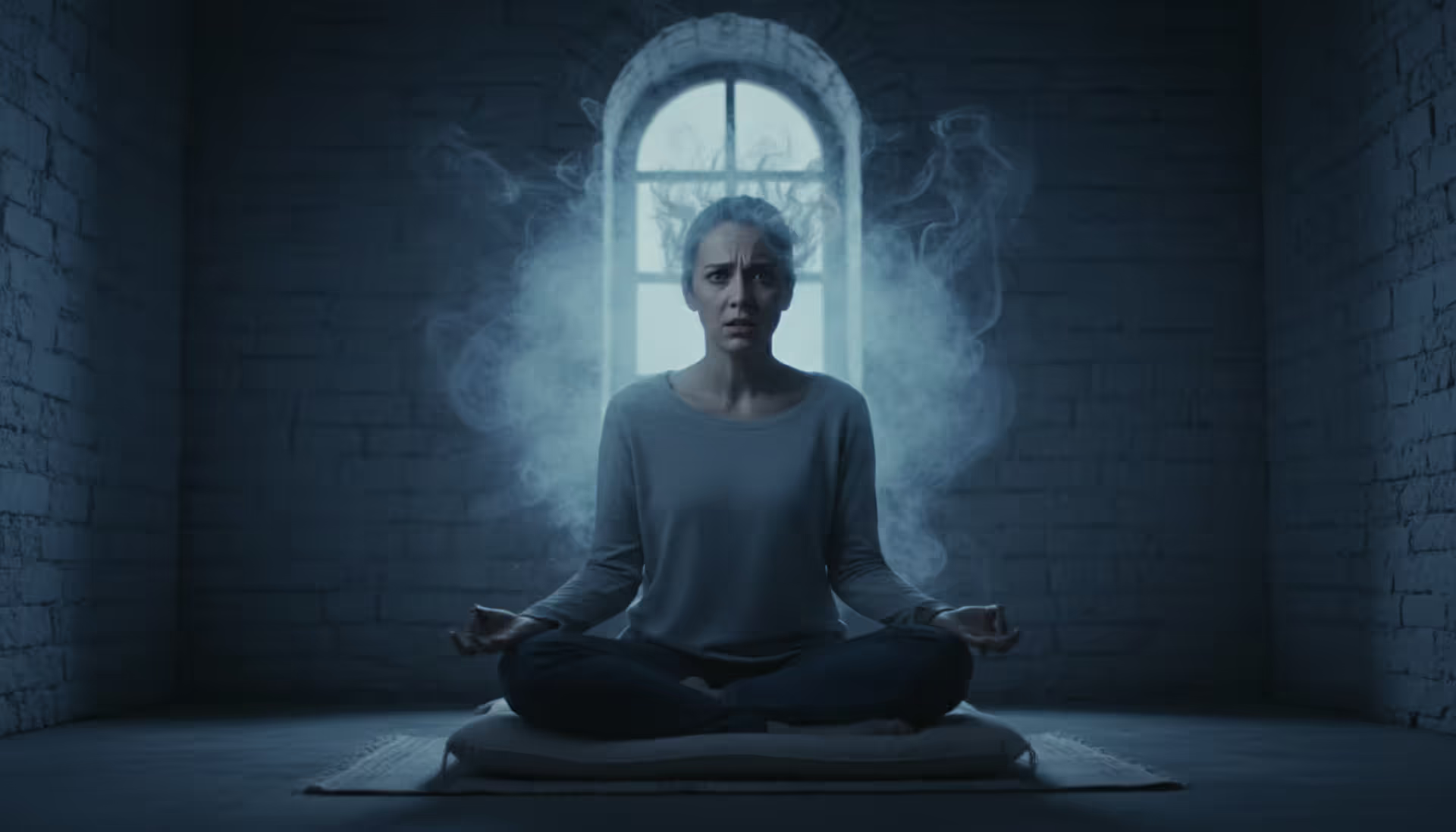
Research shows 8-14% of meditators experience significant adverse effects. From anxiety amplification to dark night experiences, meditation isn't risk-free. Understand physical and psychological dangers, who's most vulnerable, and how to recognize when practice becomes harmful
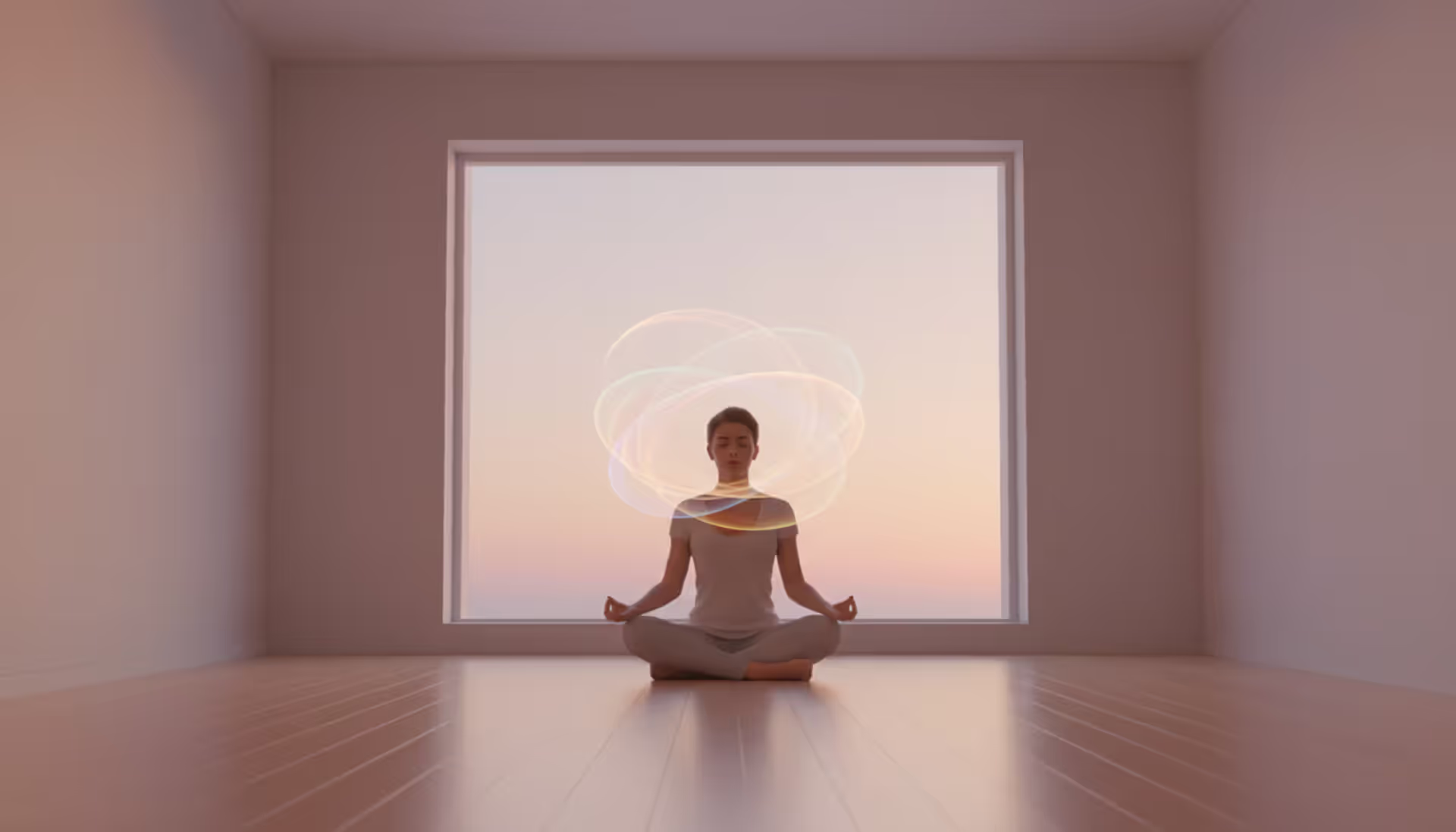
Discover how meditation interrupts the stress cycle through proven physiological mechanisms. This comprehensive guide covers meditation types, nervous system effects, cortisol reduction, workplace practices, and research-backed techniques for building a sustainable stress meditation practice
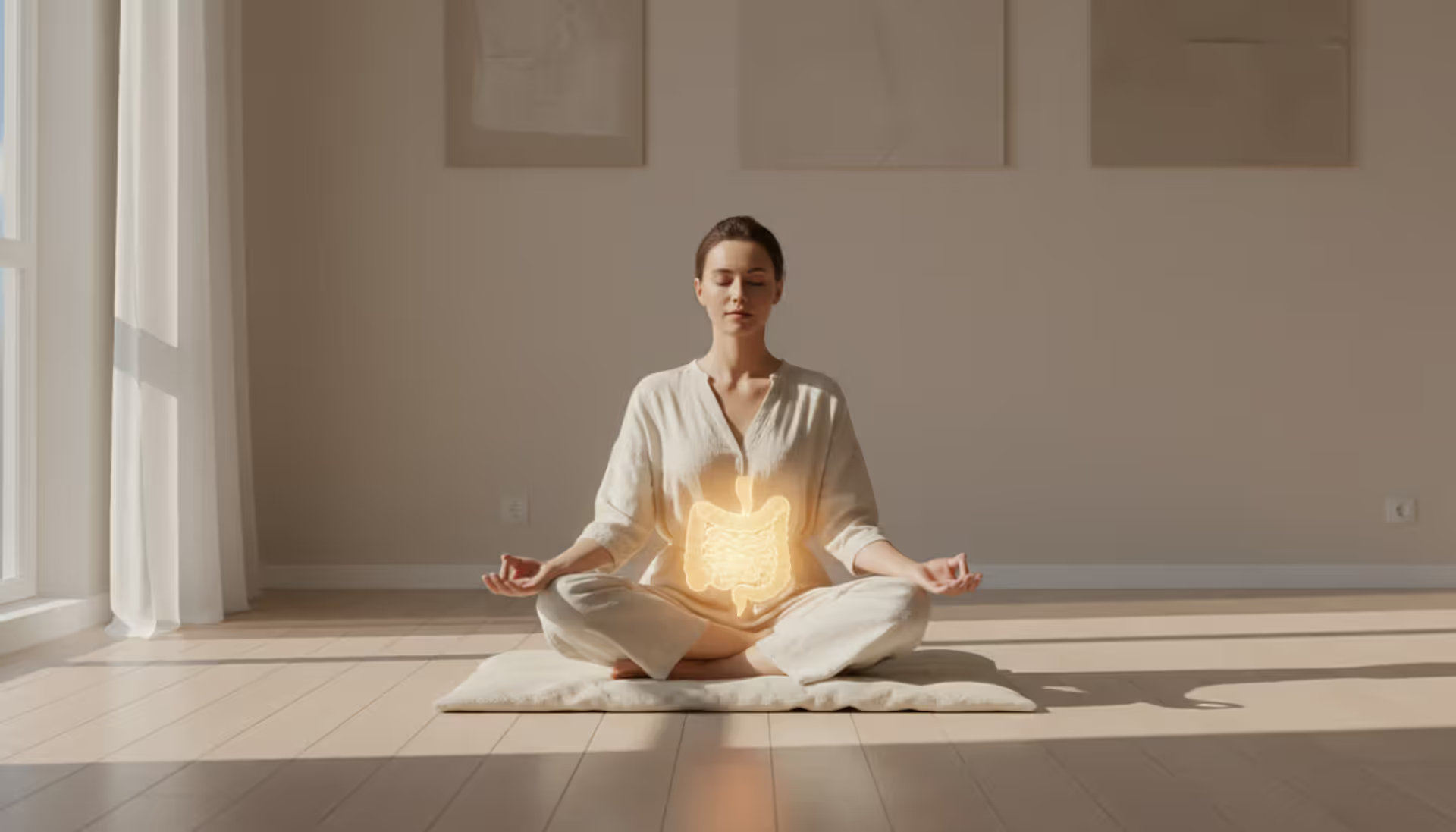
Your stomach churns before a big presentation. A stressful week leaves you bloated and uncomfortable. The connection between your mental state and digestive system isn't just in your head—it's a biological reality that meditation can help address through the gut-brain axis and vagus nerve activation
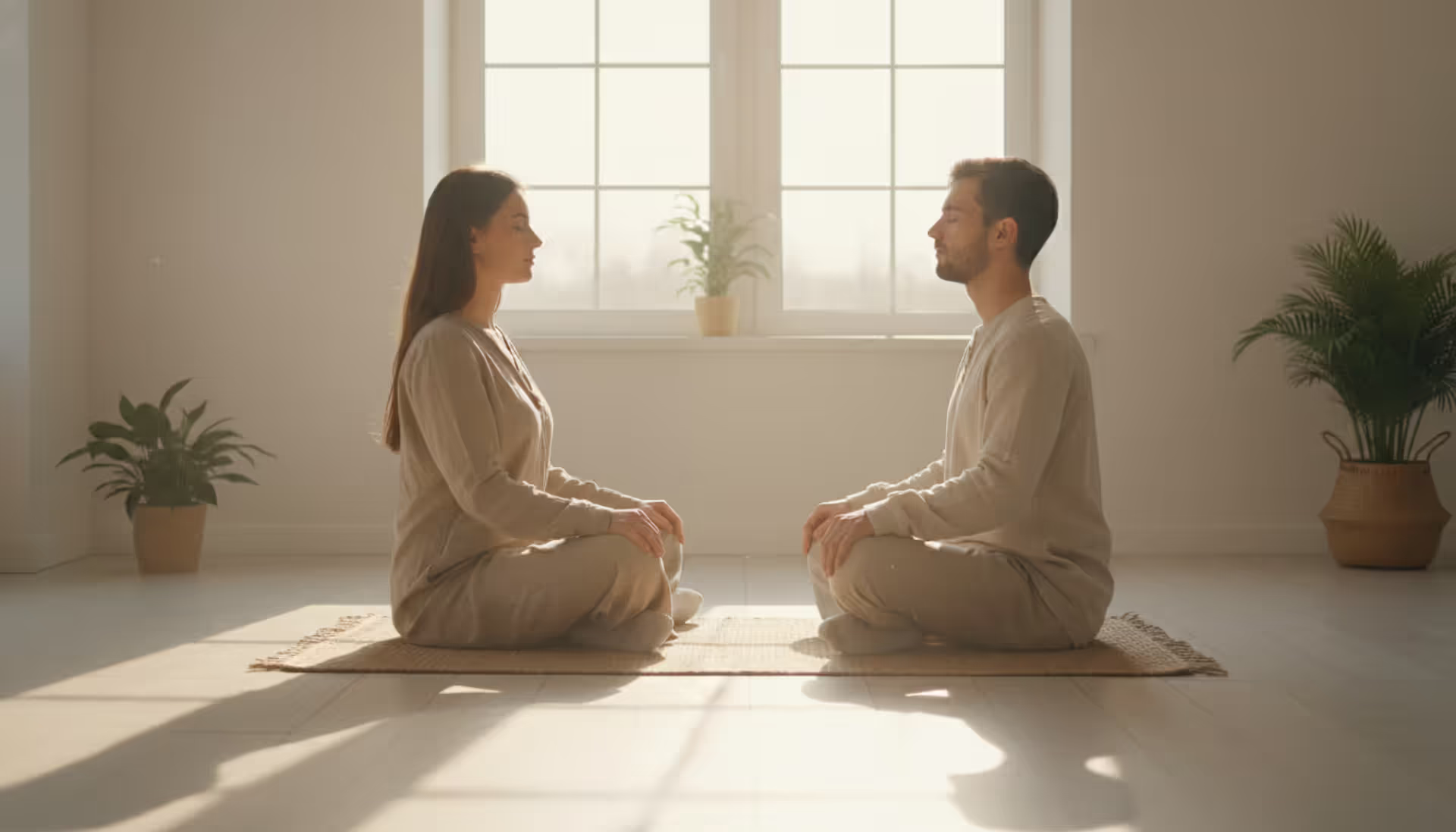
Sharing meditation with your romantic partner creates a unique space for emotional intimacy that most couples never experience. Research shows couples who practice mindfulness together report 23% higher relationship satisfaction while building deeper connection at a neurological level
The content on this website is provided for general informational and educational purposes only. It is intended to explain concepts related to meditation, mindfulness, mental health, and spiritual practices.
All information on this website, including articles, guides, and examples, is presented for general educational purposes. Meditation outcomes may vary depending on individual practices, health conditions, and guidance.
This website does not provide medical, mental health, or spiritual advice, and the information presented should not be used as a substitute for consultation with qualified professionals.
The website and its authors are not responsible for any errors or omissions, or for any outcomes resulting from decisions made based on the information provided on this website.