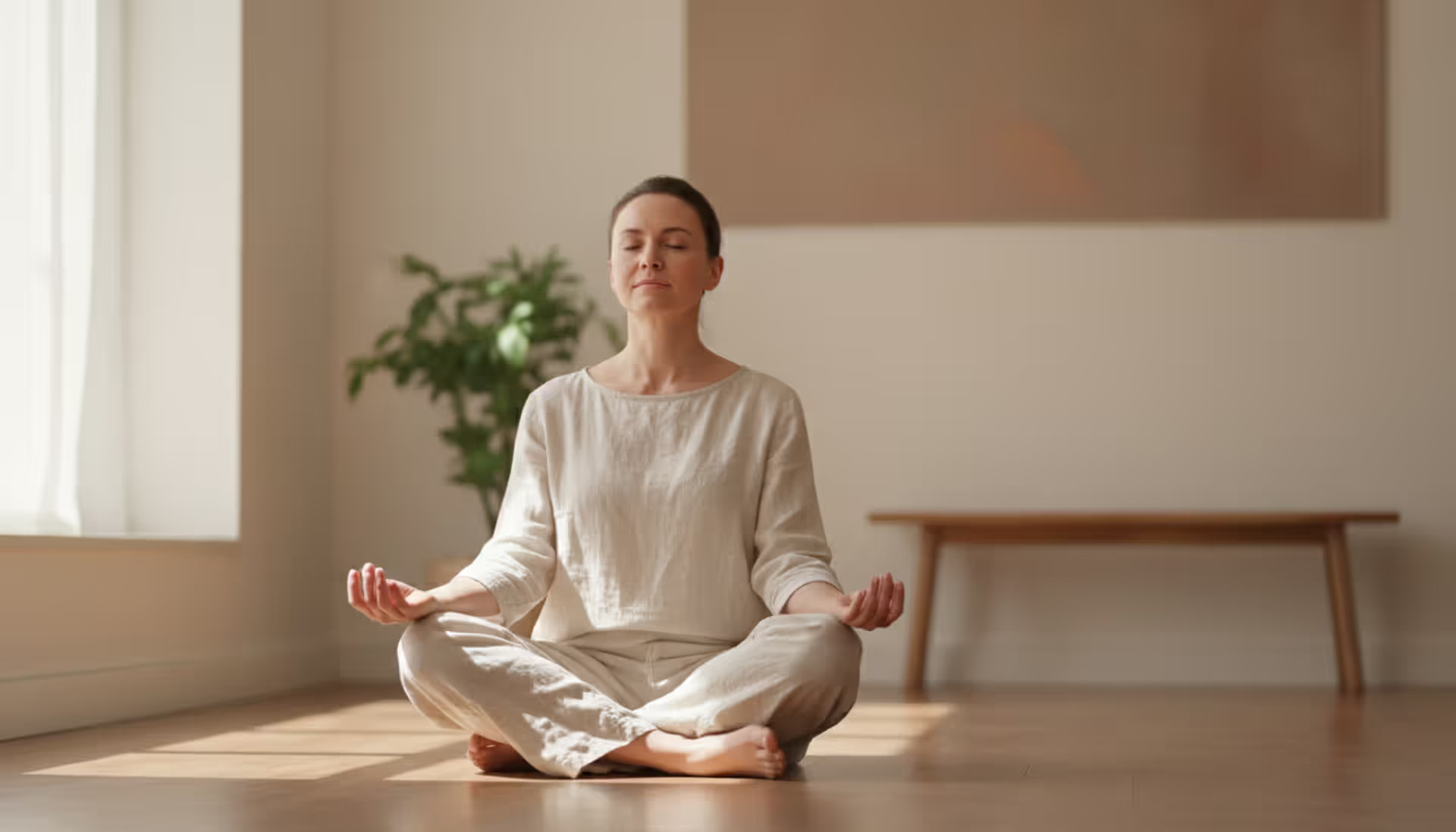
A person sitting cross-legged in a calm meditation pose in a bright minimalist room with soft natural light from a window, eyes closed, hands resting on knees, peaceful expression
Anxiety disorders affect roughly 40 million adults in the United States, making them the most common mental health condition nationwide. While pharmaceutical interventions and traditional psychotherapy remain standard treatments, many people search for complementary approaches that don't involve medication side effects or long wait lists for therapy appointments. Meditation has emerged as one of the most studied non-pharmaceutical interventions for anxiety, with a growing body of clinical research examining its effectiveness.
The question isn't whether meditation feels calming in the moment—most people already know it can. The real questions are whether it produces measurable, lasting changes in anxiety levels, how those changes happen in the brain, and which specific techniques work best for different types of anxiety.
How Meditation Affects Anxiety in the Brain
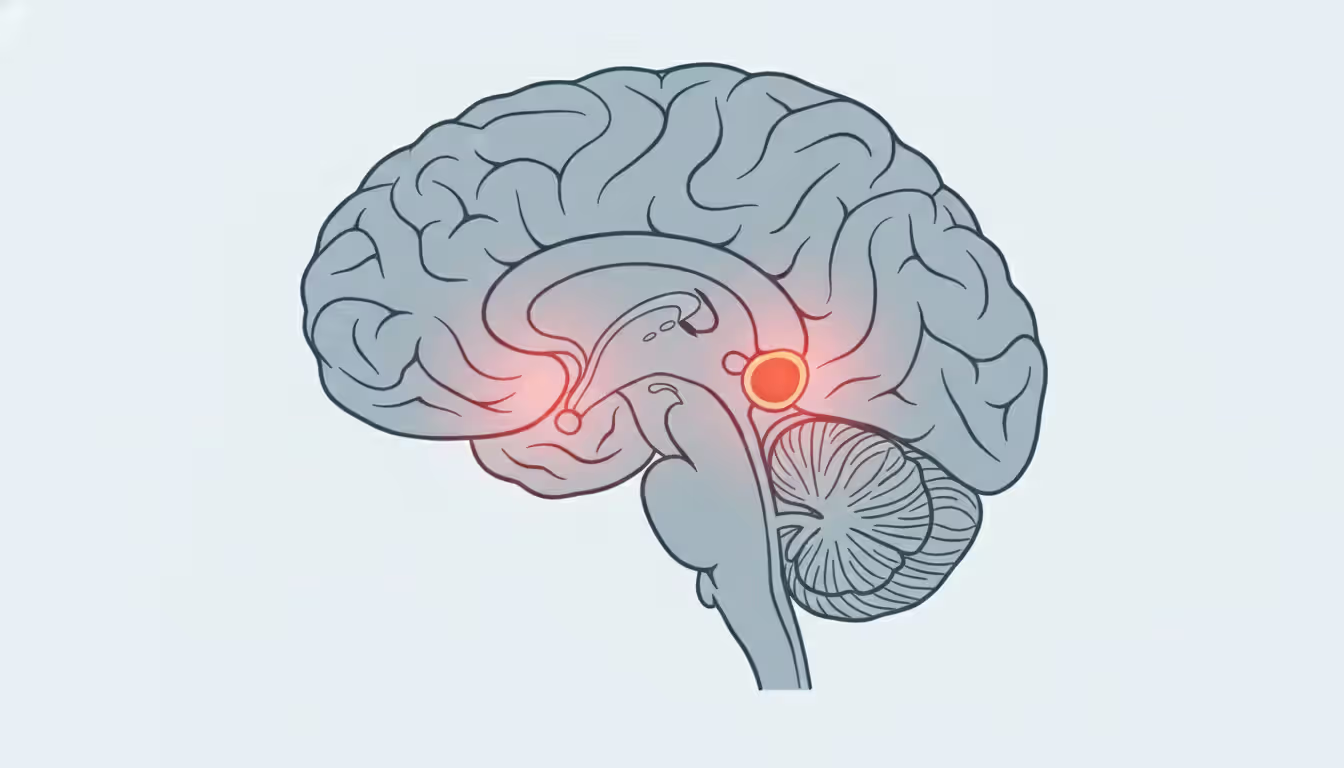
Understanding how meditation reduces anxiety requires looking at three interconnected neurological processes that researchers have documented through brain imaging studies and biochemical markers.
First, regular meditation practice demonstrably lowers cortisol levels. Cortisol, often called the stress hormone, remains elevated in people with chronic anxiety. A 2023 meta-analysis of 17 randomized controlled trials found that participants who meditated for eight weeks showed an average cortisol reduction of 14-18% compared to control groups. This isn't a temporary dip—the effect persisted at three-month follow-ups.
Second, meditation changes how the amygdala responds to perceived threats. The amygdala acts as your brain's alarm system, triggering the fight-or-flight response. Brain scans of experienced meditators show reduced amygdala reactivity when exposed to stressful stimuli. More importantly, studies on meditation beginners found measurable changes in amygdala response after just eight weeks of practice. The amygdala doesn't shrink or disappear—it simply becomes less reactive to false alarms, which is precisely what happens in anxiety disorders.
Third, meditation activates the parasympathetic nervous system, which counteracts the sympathetic nervous system's stress response. When you're anxious, your sympathetic nervous system dominates—heart rate increases, breathing becomes shallow, muscles tense. Meditation techniques, particularly those involving focused breathing, stimulate the vagus nerve and shift your body into a parasympathetic state. Heart rate variability (HRV) measurements confirm this shift, with regular meditators showing higher HRV scores, indicating better stress resilience.
These aren't separate effects—they reinforce each other. Lower cortisol reduces overall physiological stress, which makes the amygdala less reactive, which allows the parasympathetic nervous system to engage more easily. This creates a positive feedback loop that strengthens with consistent practice.
Author: Lena Ashcroft;
Source: 5sensesspa.com
Types of Meditation That Work Best for Anxiety
Not all meditation approaches produce identical results for anxiety. Research shows distinct advantages for specific techniques, though individual response varies.
Mindfulness Meditation for Anxiety Relief
Mindfulness meditation involves observing thoughts, sensations, and emotions without judgment or attempt to change them. For anxiety, this proves particularly valuable because anxiety often feeds on resistance—the more you fight anxious thoughts, the stronger they become.
The core practice involves anchoring attention on a focal point (usually breath) and noting when the mind wanders to anxious thoughts, then gently returning focus. This builds "metacognitive awareness"—the ability to observe your thoughts as mental events rather than facts requiring immediate response.
A 2025 study comparing mindfulness meditation to cognitive behavioral therapy found comparable anxiety reduction rates (approximately 55-60% of participants showing clinically significant improvement), though mindfulness took slightly longer to show effects—roughly 10 weeks versus 8 weeks for CBT.
Body Scan and Progressive Relaxation
Body scan meditation systematically moves attention through different body parts, noting physical sensations without trying to change them. Progressive relaxation adds an active component—deliberately tensing then releasing muscle groups.
These techniques address the somatic symptoms of anxiety: tight chest, clenched jaw, tense shoulders. Many people with anxiety live in a state of chronic muscle tension without realizing it. Body scans create awareness of this tension, while progressive relaxation provides a physical release mechanism.
Research indicates these methods work particularly well for people whose anxiety manifests primarily through physical symptoms rather than racing thoughts. A 2024 study found that participants with high somatic anxiety symptoms responded better to body-based practices than to thought-focused mindfulness.
Loving-Kindness Meditation (Metta)
Loving-kindness meditation involves directing feelings of goodwill and compassion toward yourself and others through repeated phrases like "may I be safe, may I be peaceful, may I be healthy."
This might sound unrelated to anxiety, but research shows otherwise. Anxiety often involves harsh self-criticism and fear of negative evaluation from others. Loving-kindness meditation directly counters these patterns by cultivating self-compassion and reducing social threat perception.
A Georgetown University study found that loving-kindness meditation reduced social anxiety symptoms by 43% over 12 weeks, outperforming mindfulness meditation specifically for social anxiety (though mindfulness performed better for generalized anxiety).
Author: Lena Ashcroft;
Source: 5sensesspa.com
Guided Meditation vs. Unguided Practice
Guided meditation uses recorded instructions or a live teacher, while unguided practice involves meditating independently using techniques you've learned.
For beginners dealing with anxiety, guided meditation offers significant advantages. Anxious minds tend to wander toward worry loops, and having an external voice to follow provides an anchor. Guided sessions also remove the uncertainty about whether you're "doing it right"—a common anxiety trigger for new meditators.
However, research suggests that long-term benefits increase when practitioners eventually transition to some unguided practice. A 2025 longitudinal study found that people who used exclusively guided meditation for over a year showed smaller anxiety reductions than those who mixed guided and unguided sessions after the first three months.
The practical middle ground: start with guided meditation, then gradually introduce short unguided sessions (5-10 minutes) once the basic technique feels familiar.
Meditation for Specific Anxiety Conditions
Different anxiety disorders respond differently to meditation approaches, and understanding these distinctions helps match practice to condition.
Generalized Anxiety Disorder (GAD) involves persistent, excessive worry about various life domains. Mindfulness-based stress reduction (MBSR) and mindfulness-based cognitive therapy (MBCT) show the strongest evidence for GAD. These structured eight-week programs combine meditation practice with psychoeducation about anxiety patterns. A 2023 meta-analysis found MBSR reduced GAD symptoms by an average of 38% compared to waitlist controls, with effects maintained at six-month follow-up.
Meditation and panic attacks present a more complex picture. During an active panic attack, meditation rarely helps and may worsen symptoms—trying to sit still and breathe slowly when your body screams "danger" can increase panic. However, regular meditation practice between panic episodes significantly reduces their frequency and intensity. Research shows that people who meditate consistently experience 40-50% fewer panic attacks over three months. The mechanism appears to involve reduced baseline anxiety (fewer triggers) and better interoceptive awareness (recognizing early panic signs before full escalation).
Meditation for social anxiety works best when combined with gradual exposure. Loving-kindness meditation addresses the harsh self-judgment and fear of negative evaluation central to social anxiety. Body scan practices help manage the physical symptoms (blushing, sweating, trembling) that social anxiety sufferers fear others will notice. A 2024 study found that combining brief pre-exposure meditation (10 minutes of loving-kindness practice before social situations) with standard exposure therapy accelerated improvement compared to exposure alone.
Mindfulness-based therapy approaches like MBSR and MBCT have become mainstream treatment options. MBCT, originally developed for depression relapse prevention, has been adapted specifically for anxiety disorders. These programs don't just teach meditation—they integrate it with cognitive therapy principles to help people recognize and disengage from anxious thought patterns. Insurance coverage for these programs has expanded significantly, with many major insurers now covering MBCT when delivered by licensed mental health professionals.
How to Start an Anxiety Meditation Practice
Starting meditation for anxiety requires a different approach than starting meditation for general wellness. Anxiety creates specific obstacles—restlessness, self-judgment, fear of "doing it wrong"—that need addressing from the beginning.
Start shorter than you think necessary. Most beginners assume they should meditate for 20-30 minutes. For someone with anxiety, this often backfires. Sitting with anxious thoughts for 30 minutes when you're not ready creates aversion rather than benefit. Start with 5 minutes. If that feels tolerable, stay there for a week before increasing. A consistent 5-minute practice beats an abandoned 30-minute practice.
Practice at the same time daily, but not necessarily morning. Conventional wisdom says meditate first thing in the morning. For anxiety, this doesn't always work—many people wake with elevated cortisol and racing thoughts. Experiment with timing. Some people find late afternoon (when the day's stress has accumulated but evening hasn't arrived) works better. Consistency of timing matters more than which time you choose.
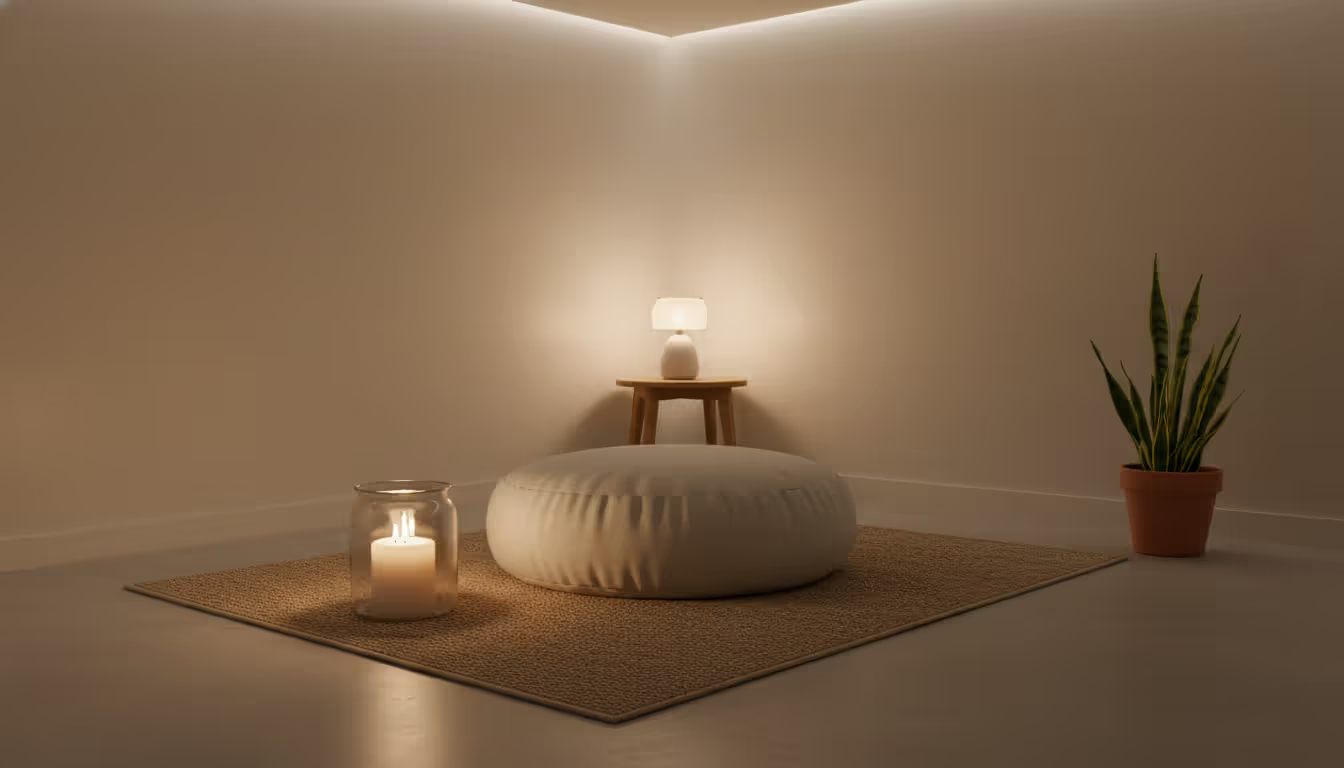
Environment matters more for anxiety than for general meditation. Create a space that signals safety. This might mean a corner with soft lighting, a specific cushion, or even meditating in a closet if that feels most secure. Anxious nervous systems respond strongly to environmental cues. One patient reported breakthrough progress after realizing her meditation spot faced a window where she unconsciously watched for threats—turning her cushion to face a blank wall eliminated this distraction.
Choose apps or classes based on voice and pacing, not popularity. The meditation app market has exploded, but the "best" app for anxiety depends on personal response to the guide's voice, pacing, and instruction style. Download three different apps and try one session from each. Notice which voice feels calming versus grating. Some people need slow, gentle guidance; others find that patronizing and prefer crisp, efficient instruction.
Expect inconsistency and plan for it. Anxiety fluctuates. Some days meditation feels accessible; other days sitting still feels impossible. Rather than abandoning practice on difficult days, have a backup option—a 2-minute breathing exercise, a walking meditation, or even just three conscious breaths. This maintains the habit without demanding more than you can manage.
Track anxiety levels, not meditation "quality." Many beginners judge sessions as "good" (calm, focused) or "bad" (distracted, restless). This creates performance anxiety about meditation itself. Instead, rate your anxiety level before and after practice on a simple 1-10 scale. You'll likely notice that even "bad" meditation sessions correlate with small anxiety reductions.
Author: Lena Ashcroft;
Source: 5sensesspa.com
Common Mistakes When Using Meditation for Anxiety
Several predictable mistakes undermine meditation's effectiveness for anxiety. Recognizing them helps avoid unnecessary discouragement.
Expecting immediate results during or immediately after meditation. Meditation isn't a fast-acting anxiety pill. Some people feel calmer after sessions, but many don't—especially initially. The anxiety reduction comes from cumulative neurological changes over weeks, not from any single session. Paradoxically, sessions where you feel restless and distracted still contribute to long-term anxiety reduction by building the skill of returning attention after distraction.
Forcing relaxation instead of allowing awareness. Anxiety makes people desperate for relief, leading to effortful attempts to force calm during meditation. This creates a new problem: performance pressure about meditation itself. Effective meditation for anxiety involves observing whatever's present—including anxiety—without trying to make it disappear. The reduction comes from changing your relationship with anxiety, not from suppressing it.
Only practicing during high anxiety or panic. Meditation works like physical exercise—you build capacity during regular training, then benefit during stress. Trying to learn meditation during a panic attack is like trying to learn swimming while drowning. Practice daily during baseline anxiety, building skills and neurological changes that then activate during acute episodes.
Skipping instruction as a beginner. Many people try meditation by simply sitting quietly and "clearing their mind." Without proper instruction, this usually leads to frustration. Anxiety-prone minds don't naturally quiet—they need specific techniques. At minimum, watch instructional videos or use guided apps for the first month. Better yet, take an introductory class where you can ask questions about common difficulties.
Abandoning practice after a few difficult sessions. The first two weeks often feel harder than helpful. You're suddenly aware of how busy your mind is, how tense your body feels, how strong your anxiety actually is. This awareness feels like worsening, but it's actually progress—you're noticing what was always there. Most research shows measurable anxiety reduction beginning around week 4-6 of consistent practice.
Does Meditation Actually Lower Anxiety? What Studies Say
We now have solid data showing that mindfulness meditation produces meaningful anxiety reduction comparable to first-line treatments. What's particularly interesting is that meditation appears to work through different mechanisms than medication, suggesting it may help people who don't respond to conventional treatments or prefer non-pharmaceutical approaches
— Dr. Elizabeth Hoge
The clinical evidence for meditation's effectiveness in reducing anxiety has strengthened considerably over the past decade, moving from preliminary studies to large-scale randomized controlled trials and meta-analyses.
A comprehensive 2024 meta-analysis published in JAMA Psychiatry examined 47 randomized controlled trials involving over 3,500 participants with diagnosed anxiety disorders. The findings showed that meditation-based interventions produced moderate to large effect sizes (Cohen's d = 0.63) in reducing anxiety symptoms. To contextualize this number: effect sizes of 0.5 are considered clinically meaningful, and 0.63 falls between moderate and large effects.
Effectiveness rates vary by measurement criteria. When defined as "clinically significant improvement" (typically a 30% or greater reduction in standardized anxiety scores), approximately 55-60% of meditation practitioners achieve this threshold within 8-12 weeks. For comparison, first-line pharmaceutical treatments like SSRIs show response rates of 60-70%, while cognitive behavioral therapy shows rates of 55-65%.
The comparison to other anxiety treatments reveals distinct advantages and limitations:
Treatment
Effectiveness Rate
Time to Results
Typical Cost
Common Side Effects
Meditation/MBSR
55-60%
6-10 weeks
$300-600 (course) or $10-15/month (app)
Temporary anxiety increase, restlessness
SSRIs/SNRIs
60-70%
4-8 weeks
$10-200/month
Sexual dysfunction, weight gain, withdrawal
Cognitive Behavioral Therapy
55-65%
8-12 weeks
$100-250/session ($1,200-3,000 total)
Temporary anxiety increase during exposure
Benzodiazepines
70-80%
Minutes to hours
$10-50/month
Dependence, cognitive impairment, rebound anxiety
Exercise (regular aerobic)
45-50%
4-6 weeks
$0-100/month
Injury risk, time commitment
These numbers reveal that meditation's effectiveness sits squarely in the range of established treatments, neither dramatically superior nor inferior. The choice between approaches often depends on individual factors: medication side effect tolerance, therapy access and cost, personal preference for self-directed versus professionally guided treatment.
Important limitations exist in the research. Most studies examine structured programs like MBSR rather than self-taught meditation, raising questions about real-world effectiveness. Dropout rates in meditation studies average 20-30%, suggesting that many people find sustained practice difficult. Long-term data beyond one year remains limited—we know meditation works for anxiety in the short to medium term, but whether benefits persist with continued practice or fade after stopping needs more research.
Additionally, meditation works better for some anxiety subtypes than others. Generalized anxiety and social anxiety show stronger response rates than panic disorder or specific phobias. This doesn't mean meditation can't help with panic or phobias, but it's less likely to be sufficient as a standalone treatment for these conditions.
Frequently Asked Questions About Meditation and Anxiety
How long does it take for meditation to reduce anxiety?
Most research shows measurable anxiety reduction beginning at 4-6 weeks of consistent daily practice. However, "measurable" doesn't always mean "noticeable"—some people feel benefits within 2-3 weeks, while others don't notice significant changes until 8-10 weeks. The neurological changes happen gradually and accumulate over time. If you're not seeing benefits by 8 weeks of genuine daily practice (not sporadic attempts), consider working with a meditation teacher to refine your technique or exploring whether a different meditation style might suit you better.
Can meditation make anxiety worse?
Yes, temporarily, and this is more common than most sources acknowledge. When you first start meditating, you become more aware of your thoughts and bodily sensations—including anxious ones you'd previously been distracting yourself from. This increased awareness can feel like increased anxiety. Additionally, some people experience "relaxation-induced anxiety," where the unfamiliar sensation of letting go triggers fear. These effects typically resolve within 2-3 weeks as you acclimate to practice. However, if meditation consistently increases panic or distress beyond the first few weeks, stop and consult a mental health professional—some trauma survivors and people with certain anxiety disorders need therapeutic support before meditation becomes helpful.
Should I meditate during a panic attack?
Generally, no. During an active panic attack, your nervous system is in full fight-or-flight mode, making the stillness and inward focus of meditation extremely difficult and potentially counterproductive. Instead, use active techniques: vigorous exercise, cold water on your face, or grounding techniques that engage your senses (naming five things you can see, four you can hear, etc.). Meditation's value for panic attacks comes from regular practice between episodes, which reduces their frequency and intensity over time. Once you've practiced meditation consistently for several weeks, you might use very brief techniques (three deep breaths, body awareness) when you notice early panic signs, before full escalation.
Is meditation better than medication for anxiety?
Neither is universally "better"—they work differently and suit different situations. Medication works faster (weeks vs. months) and requires less active effort, making it valuable for severe anxiety that impairs daily functioning. Meditation avoids medication side effects and builds long-term coping skills, making it valuable for people who prefer non-pharmaceutical approaches or have mild-to-moderate anxiety. Research suggests they work well together: a 2025 study found that people using both meditation and medication showed better outcomes than either alone, and were able to reduce medication dosages more successfully than those using medication without meditation. The best choice depends on anxiety severity, personal preference, side effect tolerance, and access to resources.
How often should I meditate for anxiety relief?
Daily practice produces the most consistent results. The minimum effective dose appears to be 5-10 minutes daily, with benefits increasing up to about 20-30 minutes daily, after which additional time shows diminishing returns for anxiety specifically. Frequency matters more than duration—seven days of 10-minute practice beats one day of 70-minute practice. If daily practice feels overwhelming, start with 5 days per week and build from there. Missing occasional days doesn't erase progress, but frequent gaps (practicing only 2-3 days per week) significantly reduce effectiveness.
What's the difference between meditation and mindfulness for anxiety?
Mindfulness is both a type of meditation and a broader concept. As meditation, mindfulness refers to practices that cultivate present-moment awareness without judgment. As a broader concept, mindfulness means bringing that same quality of attention to daily activities—eating, walking, conversations. For anxiety, formal meditation practice builds the skill, while informal mindfulness throughout the day applies it. Research shows that combining both (daily meditation practice plus mindful awareness during anxiety-triggering situations) produces better results than meditation alone. Think of meditation as training and mindfulness as using what you've trained.
Meditation offers a scientifically supported approach to anxiety reduction that works comparably to conventional treatments for many people. The neurological mechanisms are well-documented: reduced cortisol, decreased amygdala reactivity, and enhanced parasympathetic activation create measurable changes in how your brain and body respond to stress.
Success requires matching technique to your specific anxiety presentation, starting with realistic expectations and time commitments, and maintaining consistency through the initial weeks when benefits aren't yet obvious. Meditation isn't a cure-all—some people respond minimally, and severe anxiety often requires professional treatment—but for the majority of practitioners, regular meditation produces meaningful, lasting anxiety reduction without the side effects of medication or the cost barriers of therapy.
The evidence suggests that meditation works best not as a crisis intervention but as a foundational practice that gradually reshapes your relationship with anxious thoughts and sensations. Whether you choose mindfulness meditation, body scan techniques, loving-kindness practice, or a combination, the key lies in consistent practice over weeks and months, allowing the cumulative neurological changes to take effect.
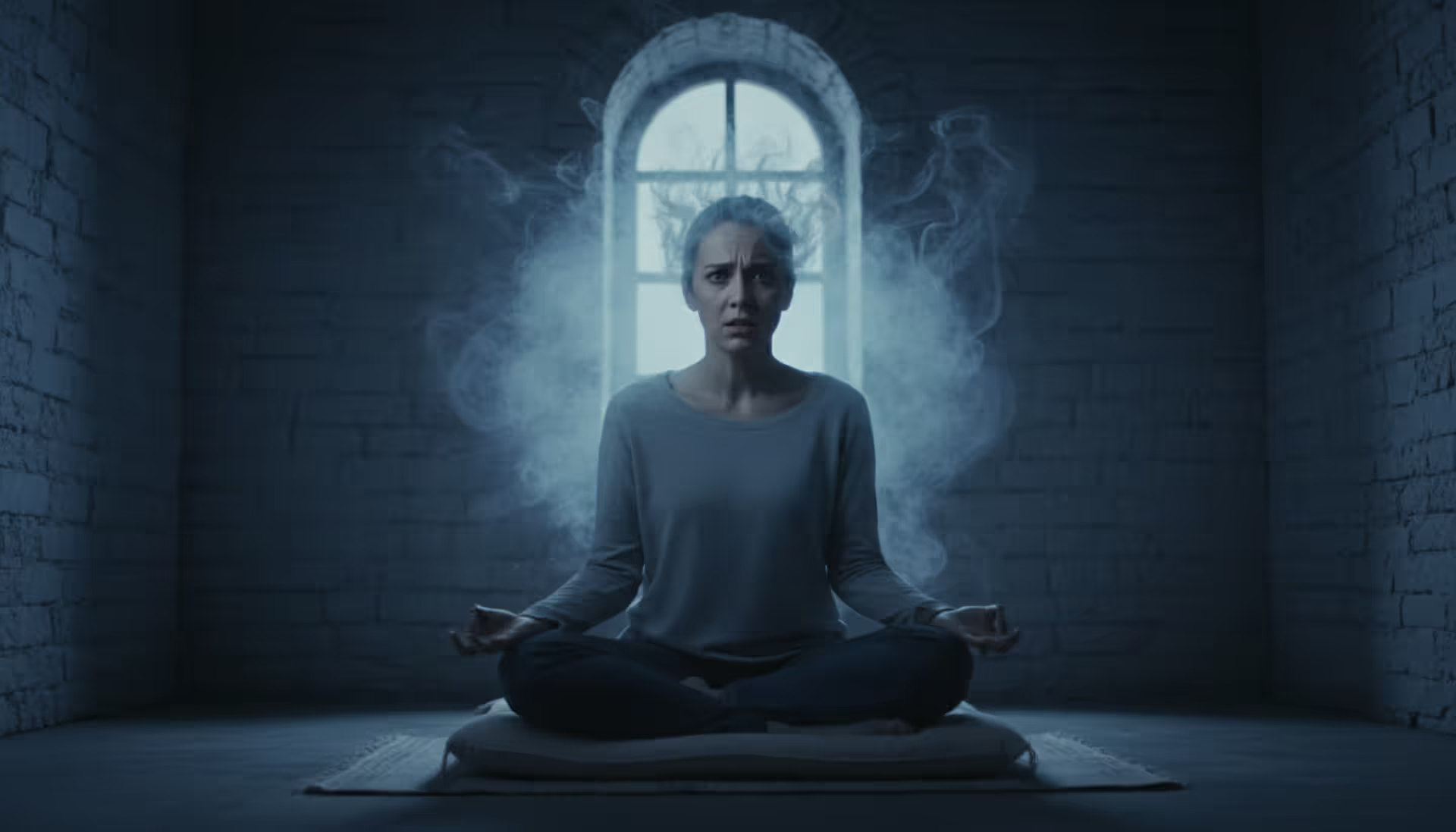
Research shows 8-14% of meditators experience significant adverse effects. From anxiety amplification to dark night experiences, meditation isn't risk-free. Understand physical and psychological dangers, who's most vulnerable, and how to recognize when practice becomes harmful
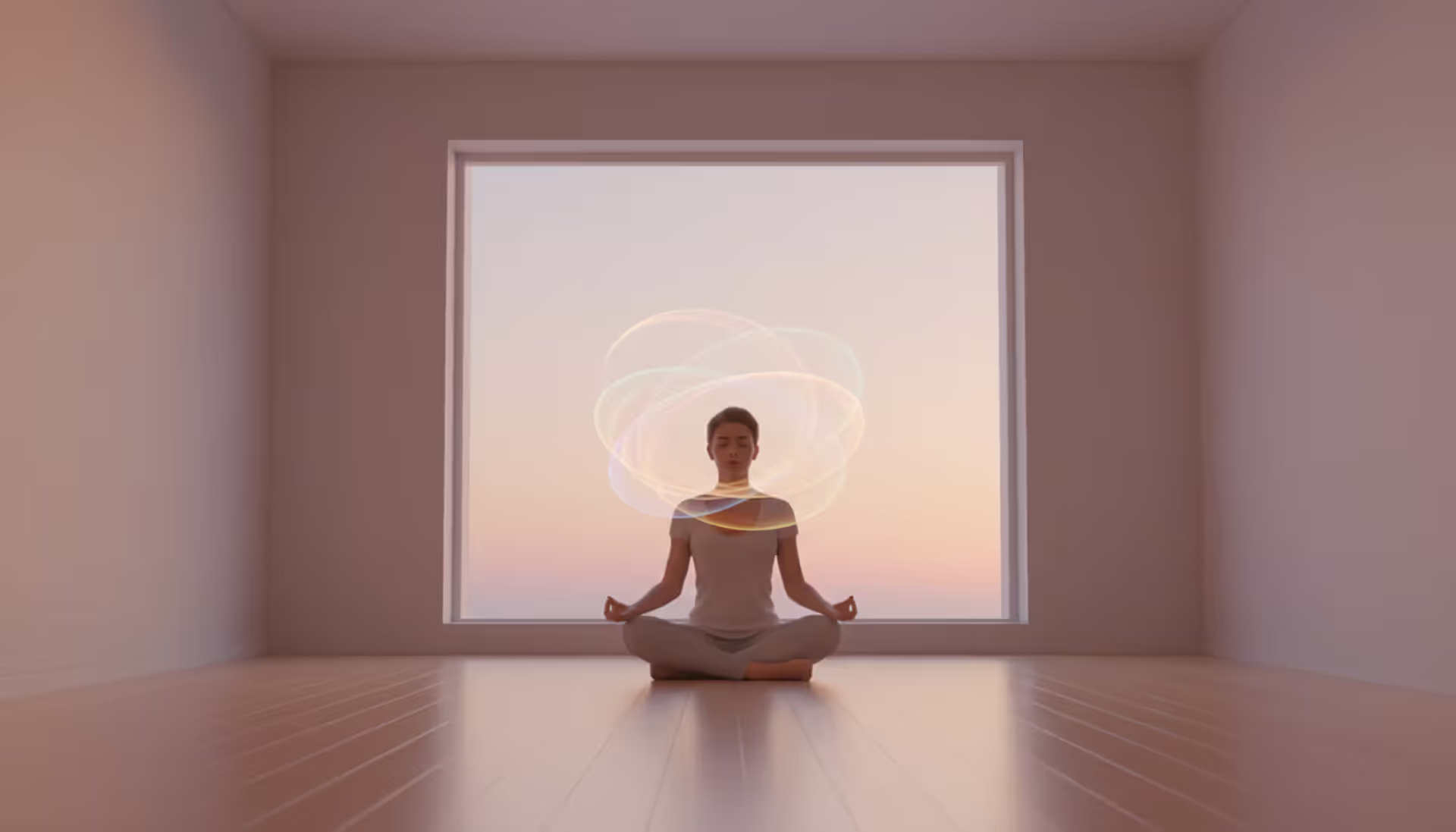
Discover how meditation interrupts the stress cycle through proven physiological mechanisms. This comprehensive guide covers meditation types, nervous system effects, cortisol reduction, workplace practices, and research-backed techniques for building a sustainable stress meditation practice
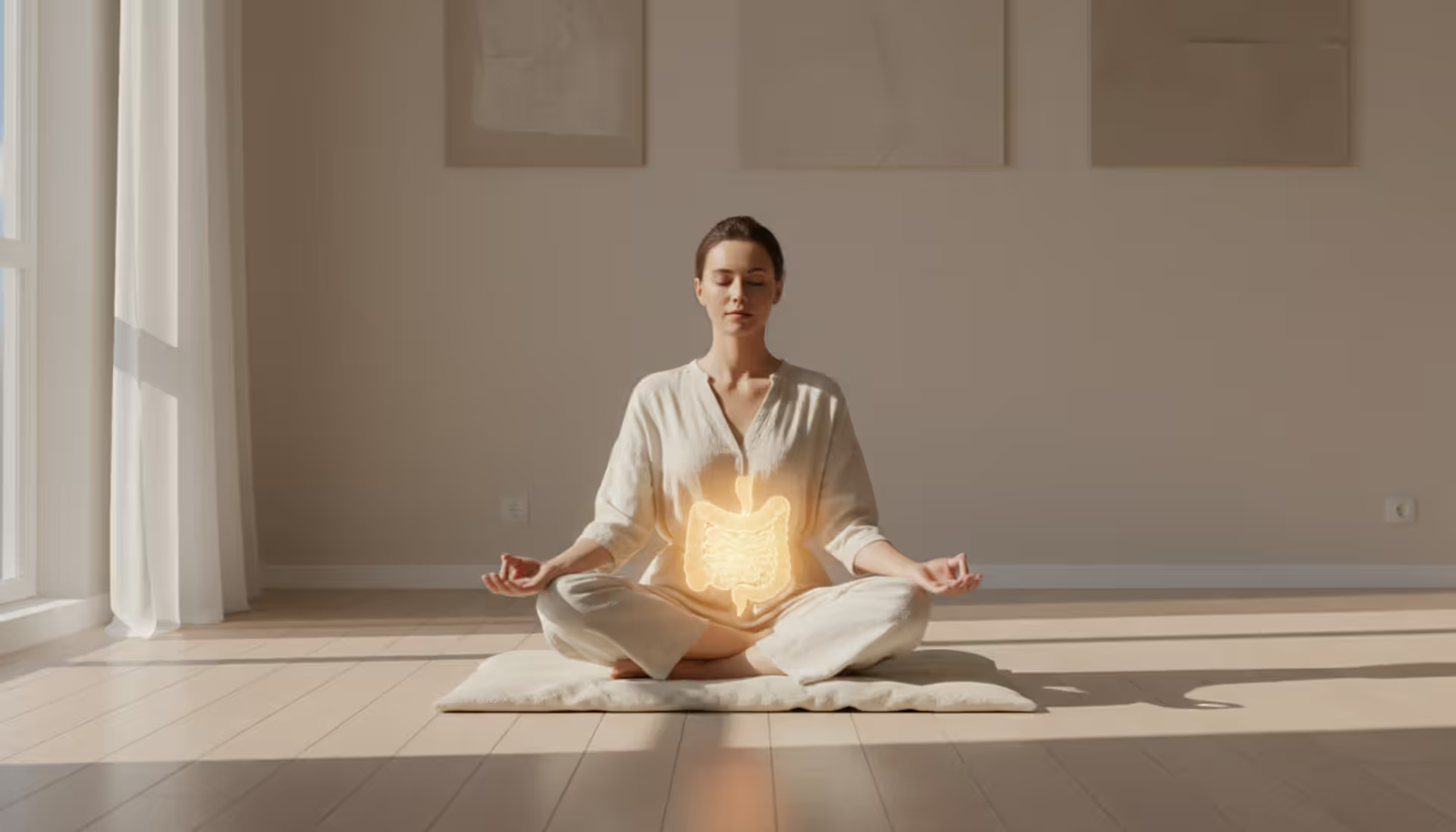
Your stomach churns before a big presentation. A stressful week leaves you bloated and uncomfortable. The connection between your mental state and digestive system isn't just in your head—it's a biological reality that meditation can help address through the gut-brain axis and vagus nerve activation
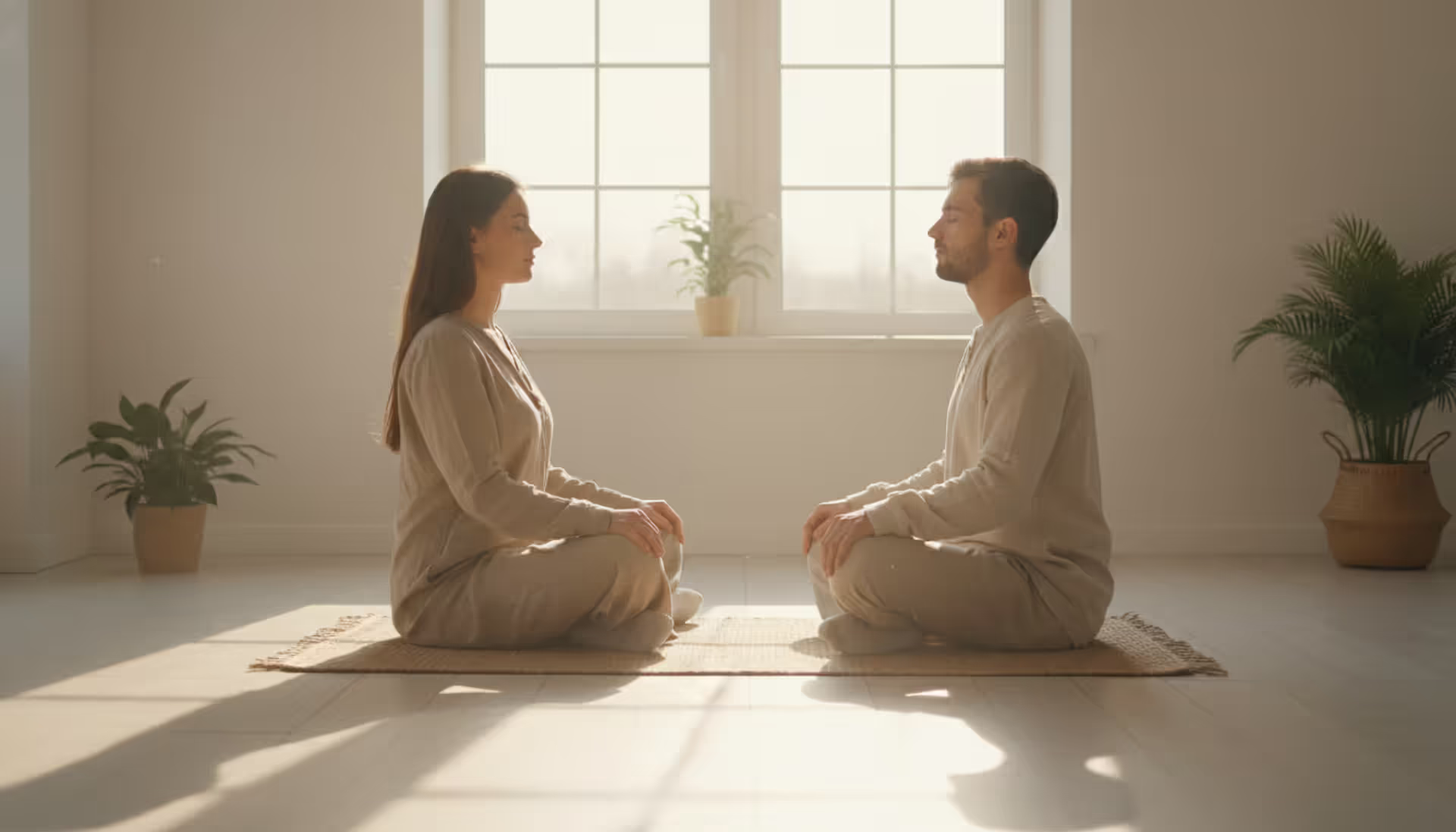
Sharing meditation with your romantic partner creates a unique space for emotional intimacy that most couples never experience. Research shows couples who practice mindfulness together report 23% higher relationship satisfaction while building deeper connection at a neurological level
The content on this website is provided for general informational and educational purposes only. It is intended to explain concepts related to meditation, mindfulness, mental health, and spiritual practices.
All information on this website, including articles, guides, and examples, is presented for general educational purposes. Meditation outcomes may vary depending on individual practices, health conditions, and guidance.
This website does not provide medical, mental health, or spiritual advice, and the information presented should not be used as a substitute for consultation with qualified professionals.
The website and its authors are not responsible for any errors or omissions, or for any outcomes resulting from decisions made based on the information provided on this website.