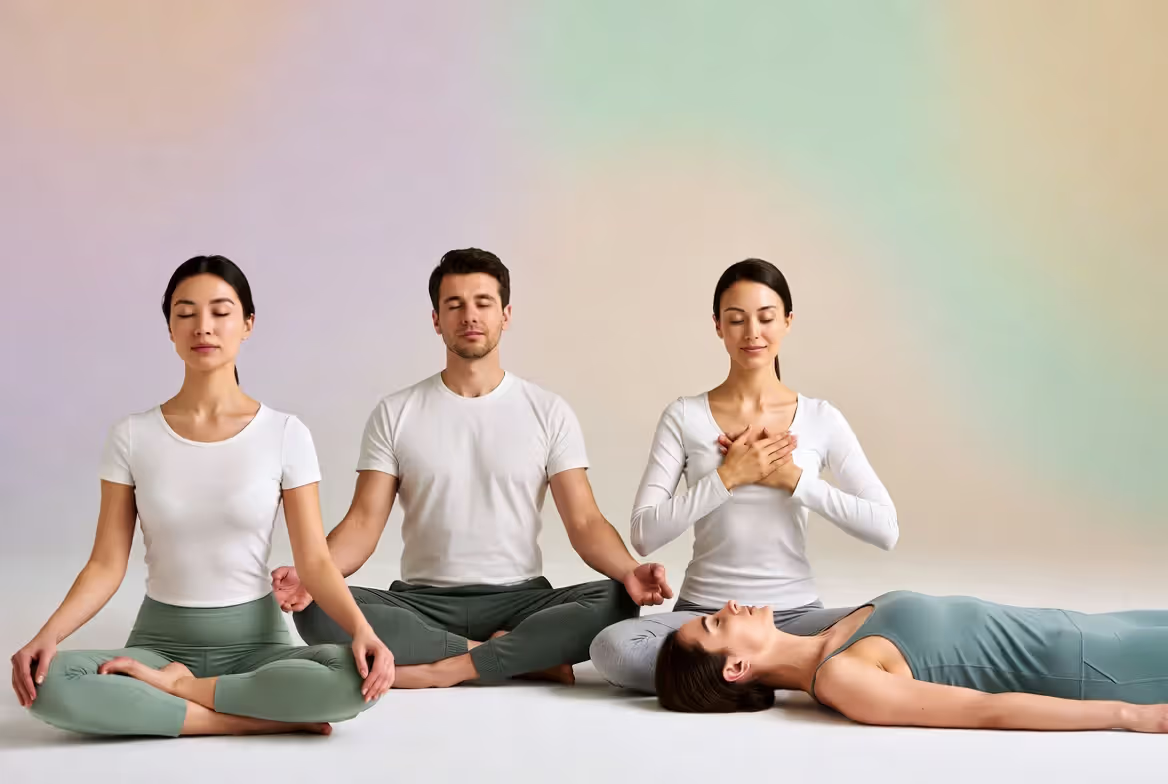
Meditation has moved from the margins of wellness culture into mainstream mental health care. Psychiatrists now prescribe it alongside therapy. Hospitals offer meditation programs for trauma survivors. Corporate health plans cover meditation apps. This shift happened because researchers spent decades documenting what happens in the brain during practice and measuring outcomes in people with diagnosed mental health conditions.
The evidence base has grown substantial enough that clinical guidelines now include meditation as a complementary intervention for anxiety disorders, depression, and stress-related conditions. Understanding how this ancient practice affects modern brains requires looking at both the neuroscience and the psychology.
What Meditation Does to Your Brain and Mind
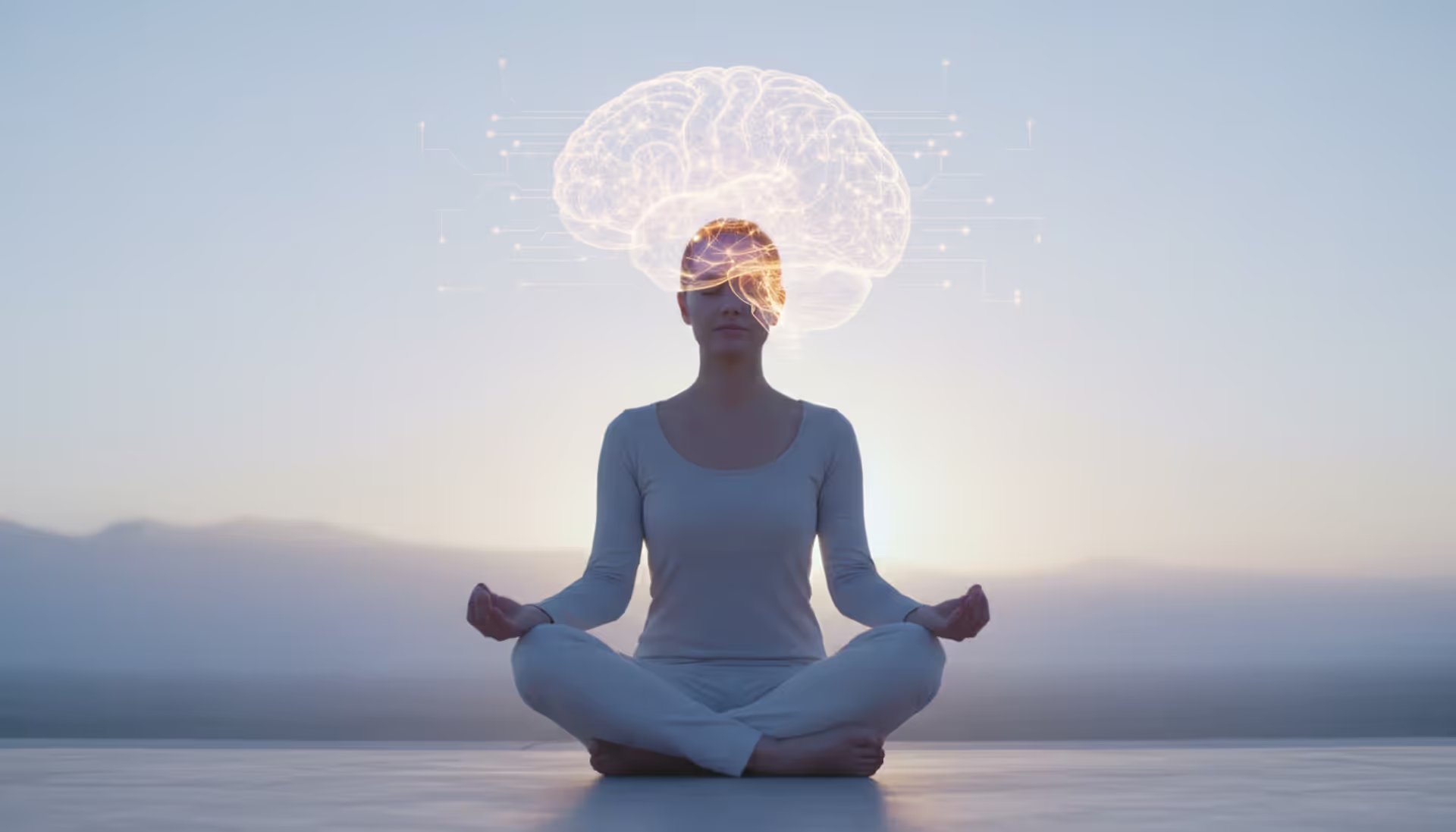
When you meditate, you're essentially training attention. Whether you focus on breath, body sensations, or repeated phrases, you're practicing the skill of noticing when your mind wanders and redirecting it. This seemingly simple act triggers measurable changes in brain structure and function.
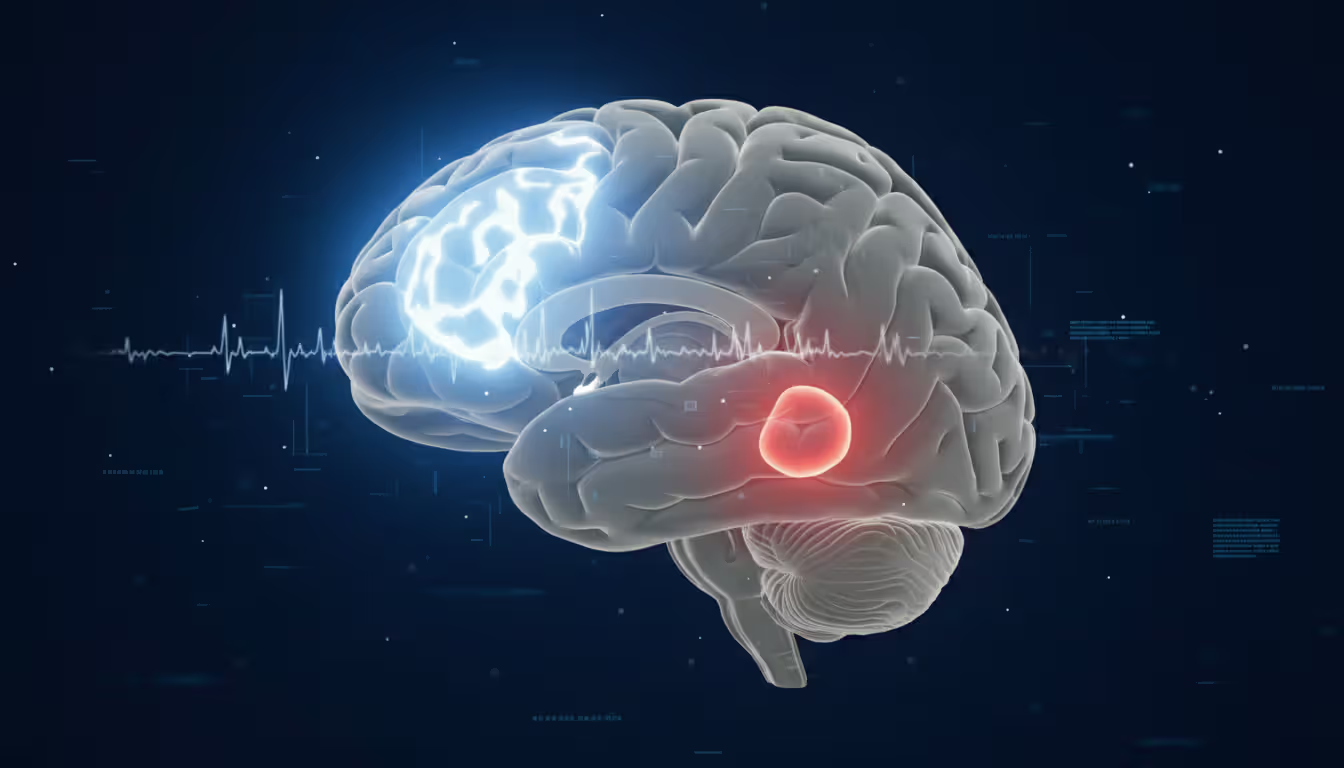
The science of meditation reveals that regular practice strengthens the prefrontal cortex, the brain region responsible for executive functions like decision-making, emotional regulation, and impulse control. Simultaneously, it reduces activity in the amygdala, the brain's threat-detection system that triggers fight-or-flight responses. This dual effect means you become better at managing reactions while experiencing fewer false alarms from your internal security system.
Author: Ethan Solberg;
Source: 5sensesspa.com
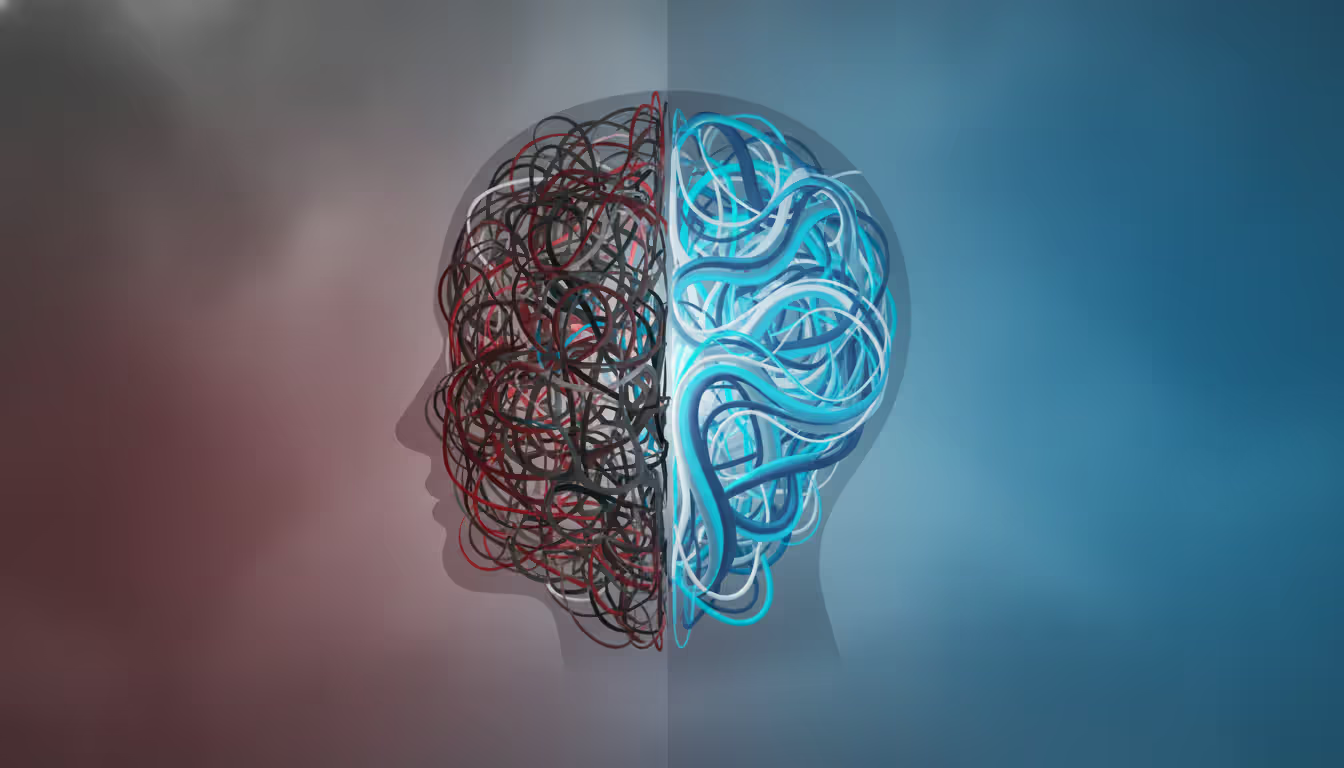
What does meditation do for the mind beyond these structural changes? It alters default mental patterns. Most people spend significant time in what neuroscientists call the "default mode network"—the mental state of mind-wandering, rumination, and self-referential thinking. This network lights up when you replay past conversations or worry about future scenarios. Meditation temporarily quiets this network, giving your mind a break from its usual narrative loops.
The psychological mechanisms matter as much as the neurological ones. Meditation cultivates what researchers call "metacognitive awareness"—the ability to observe your thoughts without immediately believing or acting on them. Someone with anxiety might notice the thought "something terrible will happen" and recognize it as a thought rather than a fact or prediction. This creates space between stimulus and response, a gap where choice becomes possible.
Scientific Evidence Behind Meditation's Mental Health Effects
The question "is meditation scientifically proven" requires specificity. Proven to do what, for whom, under what conditions? The research landscape includes hundreds of studies with varying quality, sample sizes, and methodologies.
Major Research Findings from the Past Decade
A 2023 meta-analysis published in JAMA Psychiatry examined 209 randomized controlled trials involving over 12,000 participants. The researchers found moderate evidence that meditation programs reduce anxiety, depression, and pain. Effect sizes were comparable to those seen with antidepressant medications for mild to moderate depression, though meditation worked through entirely different mechanisms.
Another significant finding came from a 2022 longitudinal study tracking 2,400 adults over five years. Those who maintained a regular meditation practice showed 31% lower rates of developing clinical anxiety disorders compared to matched controls. The protective effect was dose-dependent: people meditating 20+ minutes daily showed stronger benefits than those practicing 10 minutes.
Meditation research has also documented benefits for specific populations. Veterans with PTSD who completed an eight-week mindfulness program showed significant reductions in intrusive thoughts and hypervigilance that persisted at six-month follow-up. Adolescents with depression who added meditation to standard treatment recovered faster than those receiving treatment alone.
Not all studies show positive results. Some trials find no difference between meditation and control conditions, particularly when meditation is compared to other active interventions like exercise or cognitive behavioral therapy rather than to waitlist controls. This suggests meditation is one effective tool among several, not a universal solution.
What Brain Imaging Studies Reveal
Functional MRI studies have captured the brain during meditation, revealing real-time changes in neural activity. During focused attention meditation, brain regions associated with attention control show increased activation. During open monitoring meditation (observing whatever arises without focusing on anything specific), networks involved in present-moment awareness strengthen.
Structural imaging studies show that long-term meditators have increased gray matter density in the hippocampus, a region crucial for learning and memory that often shrinks in people with chronic stress or depression. They also show preserved brain volume in regions that typically deteriorate with age.
A particularly striking 2025 study used brain imaging to compare people before and after an eight-week meditation program. Researchers found measurable increases in cortical thickness in areas involved in emotional regulation, even in complete beginners. The brain's plasticity—its ability to reorganize and form new neural connections—responds to meditation training much as it responds to learning a musical instrument or a new language.
We found that people who have been meditating for many years have an increased amount of gray matter in the insula and sensory regions, the auditory and sensory cortex. Which makes sense. When you're mindful, you're paying attention to your breathing, to sounds, to the present moment experience, and shutting out other thoughts. It stands to reason your senses would be enhanced
— Dr. Sara Lazar
Proven Mental Health Benefits of Regular Meditation
The proven benefits of meditation extend across multiple dimensions of mental health. Research supports these specific outcomes:
Reduced anxiety symptoms. Multiple trials demonstrate that meditation decreases both trait anxiety (general anxiousness) and state anxiety (situational worry). People report fewer racing thoughts, less physical tension, and improved ability to manage worry spirals. The mechanism involves both reduced amygdala reactivity and improved emotional regulation skills.
Lower depression severity. Meditation shows particular promise for preventing depression relapse. People with a history of three or more depressive episodes who practice mindfulness-based cognitive therapy have relapse rates 40-50% lower than those receiving standard care. The practice helps people recognize early warning signs and respond skillfully before full episodes develop.
Improved emotional regulation. Regular practitioners report greater ability to identify emotions, tolerate difficult feelings, and choose responses rather than reacting automatically. This skill proves valuable across many mental health conditions, from borderline personality disorder to bipolar disorder.
Enhanced attention and concentration. Even brief meditation training improves sustained attention and reduces mind-wandering. Students who meditate before studying retain information better. Workers report fewer attention lapses during complex tasks.
Decreased rumination. The tendency to repeatedly rehash problems or past events contributes to both anxiety and depression. Meditation training reduces ruminative thinking patterns by strengthening the ability to disengage from unproductive thought loops.
Better stress resilience. Practitioners show dampened cortisol responses to stressful situations and faster physiological recovery after stress exposure. Their nervous systems shift more readily from sympathetic (fight-or-flight) to parasympathetic (rest-and-digest) activation.
Reduced symptoms of PTSD. Trauma survivors who practice meditation report fewer intrusive memories, less hypervigilance, and improved sleep. Body-based meditation practices appear particularly helpful for processing trauma stored in the nervous system.
Improved sleep quality. Meditation reduces the time needed to fall asleep and decreases nighttime awakenings. The relaxation response activated during practice carries over into better sleep architecture.
Greater self-compassion. Loving-kindness and compassion-focused meditation practices increase self-acceptance and reduce harsh self-criticism, factors protective against depression and anxiety.
Enhanced overall wellbeing. Beyond reducing symptoms, meditation increases positive emotions, life satisfaction, and sense of meaning. People report feeling more connected to themselves and others.
These benefits typically emerge gradually. Someone meditating for two weeks might notice better sleep or slightly improved focus. More substantial changes in anxiety or depression usually require consistent practice over two to three months.
Author: Ethan Solberg;
Source: 5sensesspa.com
How Meditation Improves Psychological Wellbeing
Understanding why meditation improves mental health requires looking beyond symptom reduction to fundamental psychological processes.
Meditation and psychological wellbeing connect through several pathways. First, meditation trains decentering—the ability to observe mental content without over-identifying with it. Instead of "I am anxious," the perspective shifts to "I notice anxiety arising." This subtle shift reduces the intensity and duration of difficult emotional states.
Second, meditation builds distress tolerance. By sitting with uncomfortable sensations during practice—the urge to move, uncomfortable emotions, racing thoughts—people develop confidence in their ability to tolerate discomfort. This skill generalizes to life situations. Someone who can sit with anxiety on the meditation cushion finds it easier to tolerate anxiety during a difficult conversation.
Third, meditation enhances present-moment awareness. Much psychological suffering involves dwelling on past regrets or future worries. Anchoring attention in present experience reduces this temporal displacement. The mental health benefits of mindfulness stem partly from this shift toward present-centered awareness.
Author: Ethan Solberg;
Source: 5sensesspa.com
Fourth, meditation cultivates equanimity—balanced acceptance of experience. Rather than constantly evaluating experiences as good (to be grasped) or bad (to be avoided), practitioners develop more neutral observation. This reduces the exhausting cycle of chasing pleasant experiences and fleeing unpleasant ones.
Regular practice also changes the relationship with thoughts. Most people believe their thoughts automatically, treating mental content as factual information about reality. Meditation reveals thoughts as mental events—sometimes accurate, often distorted, always temporary. Someone who realizes "I'm having the thought that I'm inadequate" rather than "I am inadequate" has more freedom to question and challenge unhelpful beliefs.
The stress response system becomes more flexible with practice. Rather than remaining stuck in chronic activation (anxiety) or shutdown (depression), the nervous system regains its natural rhythm of activation and recovery. People describe feeling more "bouncy"—able to handle challenges without getting knocked off-center for extended periods.
Mindfulness Meditation vs. Other Meditation Types for Mental Health
Different meditation styles emphasize different mental faculties and produce somewhat different outcomes. Choosing an approach that matches your goals and temperament increases the likelihood of maintaining a consistent practice.
General mental health maintenance, anxiety disorders, depression prevention
Transcendental
Anxiety, PTSD, stress-related conditions, high blood pressure
20 min twice/day
Easy to moderate
Stress reduction, trauma recovery, those who struggle with unstructured practice
Loving-Kindness
Depression, self-criticism, social anxiety, anger, trauma
15-30 min/day
Easy
Low self-esteem, relationship difficulties, social isolation, building positive emotions
Body Scan
Somatic anxiety, PTSD, chronic pain, insomnia
20-45 min/session
Easy
Trauma survivors, those with body-focused anxiety, sleep problems
Mindfulness meditation involves paying attention to present-moment experience with an attitude of curiosity and non-judgment. Most research has focused on this approach, making it the best-studied form. Mindfulness-Based Stress Reduction (MBSR) and Mindfulness-Based Cognitive Therapy (MBCT) represent structured programs with strong evidence bases.
Transcendental Meditation uses personalized mantras repeated silently. Practitioners often find it easier than mindfulness because the mantra provides a concrete focus point. Research shows particular benefits for PTSD and cardiovascular health.
Loving-kindness meditation involves directing goodwill toward yourself and others through repeated phrases like "may I be happy, may I be healthy." This practice directly counters the self-criticism and social disconnection common in depression. Studies show it increases positive emotions and social connection while reducing symptoms of depression.
Body scan meditation systematically moves attention through body regions, noticing sensations without trying to change them. This practice helps people reconnect with physical experience, particularly valuable for trauma survivors who have dissociated from bodily sensations or those with anxiety manifesting as physical symptoms.
The mental health benefits of mindfulness have received the most research attention, but emerging evidence suggests different approaches may work better for different people. Someone with severe trauma might find body-based practices triggering initially and benefit from mantra-based meditation. Someone struggling with loneliness might respond particularly well to loving-kindness practice.
Author: Ethan Solberg;
Source: 5sensesspa.com
Common Questions About Meditation and Mental Health
Is meditation scientifically proven to help with anxiety and depression?
Yes, but with important qualifications. Systematic reviews and meta-analyses demonstrate that meditation reduces symptoms of anxiety and depression with effect sizes comparable to other evidence-based interventions. However, meditation works best as part of comprehensive treatment rather than as a standalone intervention for moderate to severe conditions. Someone with major depressive disorder should consider meditation as a complement to therapy and possibly medication, not a replacement. The evidence is strongest for preventing depression relapse in people with recurrent depression and for reducing symptoms in mild to moderate anxiety and depression.
How long does it take to see mental health benefits from meditation?
Most people notice initial changes within two to four weeks of daily practice—typically better sleep, slightly improved mood, or moments of greater calm. More substantial shifts in anxiety or depression usually emerge after eight to twelve weeks of consistent practice. Brain imaging studies show measurable structural changes after eight weeks of daily meditation. However, benefits accumulate over time. Someone practicing for six months will likely experience greater improvements than someone practicing for six weeks. The key is consistency rather than session length—15 minutes daily produces better results than occasional hour-long sessions.
Can meditation replace therapy or medication for mental health conditions?
No. Meditation should not replace evidence-based treatments for diagnosed mental health conditions. Research supports meditation as a valuable complementary practice alongside therapy and medication, not as a substitute. Someone with severe depression, bipolar disorder, schizophrenia, or active suicidal thoughts needs professional mental health care. Meditation can enhance treatment outcomes and help maintain gains, but it doesn't address all the factors maintaining mental health conditions. Think of meditation as similar to exercise—extremely beneficial for mental health but not a replacement for medical treatment when needed.
What type of meditation is best for mental health?
The best meditation type is the one you'll actually practice consistently. That said, certain approaches show stronger evidence for specific conditions. Mindfulness meditation has the broadest evidence base for general anxiety and depression. Loving-kindness meditation shows particular promise for self-criticism and social anxiety. Transcendental Meditation demonstrates strong results for PTSD and stress-related conditions. Body scan practices help with somatic anxiety and trauma. Most people benefit from trying several approaches to find what resonates. Many meditation teachers recommend starting with basic mindfulness practices, then exploring other styles as your practice develops.
How often should I meditate to improve my mental health?
Research suggests daily practice produces the most reliable benefits. Most studies showing mental health improvements use protocols of 20-45 minutes daily. However, shorter practices still provide value—10 minutes daily beats 30 minutes twice weekly. Consistency matters more than duration, especially when building the habit. Start with an achievable commitment, even five minutes daily, then gradually extend duration as the practice becomes established. Some people benefit from twice-daily practice, particularly when managing acute stress or anxiety. The practice should feel sustainable rather than like another stressor on your to-do list.
Are there any mental health risks associated with meditation?
While generally safe, meditation can occasionally trigger adverse effects. Some people experience increased anxiety, disturbing thoughts, or emotional distress during practice, particularly when processing unresolved trauma. People with a history of psychosis, severe dissociation, or active PTSD should approach meditation cautiously and preferably under professional guidance. Some practitioners experience "dark night" phenomena—periods of increased depression or existential distress—though these are relatively rare and more common in intensive retreat settings than daily home practice. Starting gradually, learning from qualified teachers, and maintaining professional mental health support when needed reduces risks. If meditation consistently worsens your mental state, stop and consult a mental health professional.
The evidence supporting meditation for mental health has reached critical mass. Hundreds of studies document changes in brain structure, improvements in psychological symptoms, and enhanced wellbeing across diverse populations. These benefits aren't mystical or placebo-driven—they result from systematic training of attention, emotion regulation, and self-awareness.
Meditation won't cure all mental health conditions, and it's not the right approach for everyone. But for many people struggling with anxiety, depression, stress, or simply wanting to enhance psychological resilience, meditation offers a scientifically-validated tool with minimal side effects and broad benefits.
The practice requires patience. Your mind will wander constantly at first. You'll feel restless, bored, or frustrated. These experiences are normal, not signs of failure. Each time you notice your mind has wandered and gently return attention to your chosen focus, you're strengthening the exact neural pathways that support mental health.
Starting a meditation practice doesn't require special equipment, expensive classes, or hours of free time. Five minutes of daily practice, approached with consistency and reasonable expectations, can begin shifting your relationship with your mind. As the research clearly demonstrates, small investments in meditation practice can yield substantial returns in mental health and psychological wellbeing.
Research shows 8-14% of meditators experience significant adverse effects. From anxiety amplification to dark night experiences, meditation isn't risk-free. Understand physical and psychological dangers, who's most vulnerable, and how to recognize when practice becomes harmful
Discover how meditation interrupts the stress cycle through proven physiological mechanisms. This comprehensive guide covers meditation types, nervous system effects, cortisol reduction, workplace practices, and research-backed techniques for building a sustainable stress meditation practice
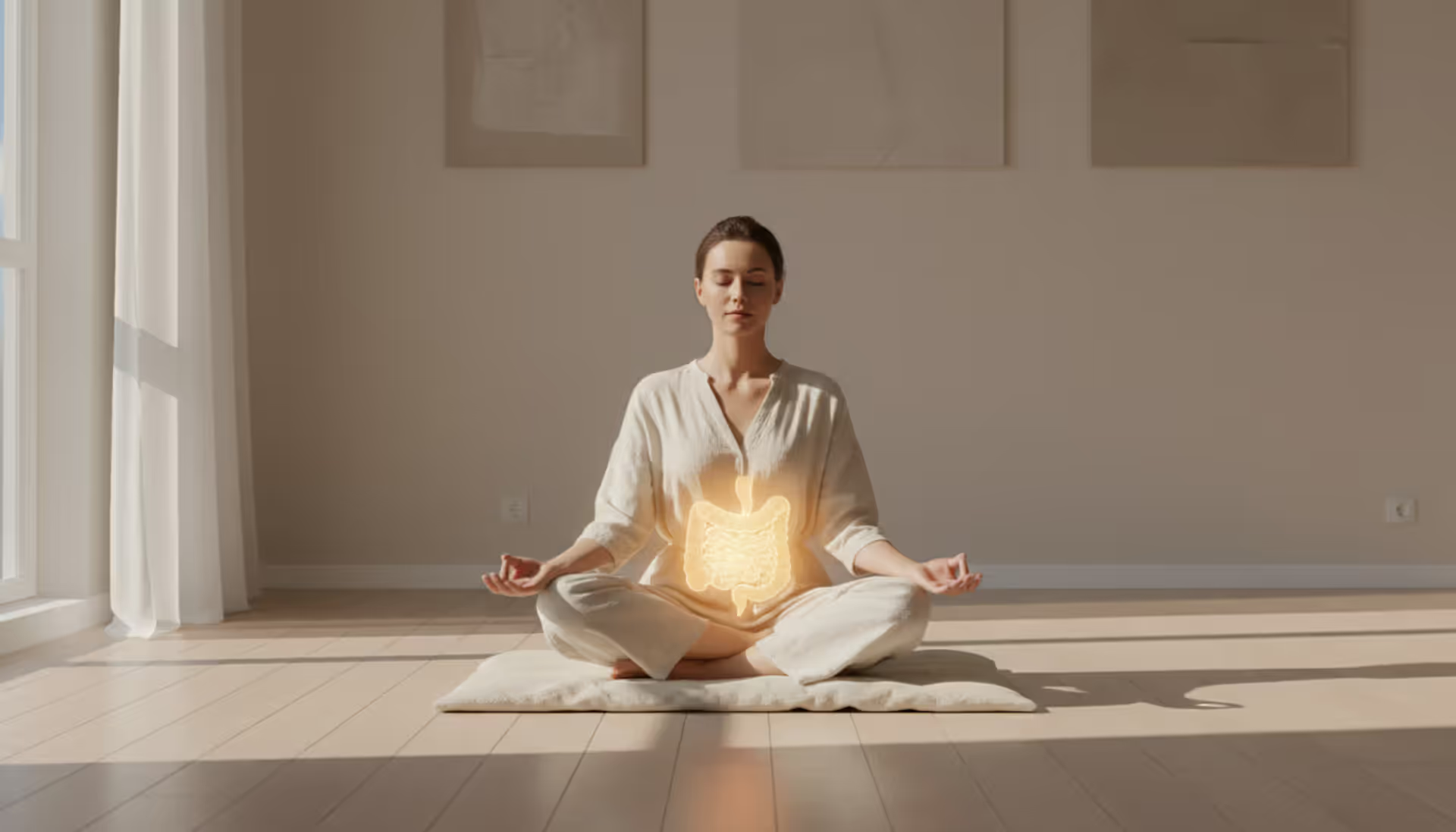
Your stomach churns before a big presentation. A stressful week leaves you bloated and uncomfortable. The connection between your mental state and digestive system isn't just in your head—it's a biological reality that meditation can help address through the gut-brain axis and vagus nerve activation
Sharing meditation with your romantic partner creates a unique space for emotional intimacy that most couples never experience. Research shows couples who practice mindfulness together report 23% higher relationship satisfaction while building deeper connection at a neurological level
The content on this website is provided for general informational and educational purposes only. It is intended to explain concepts related to meditation, mindfulness, mental health, and spiritual practices.
All information on this website, including articles, guides, and examples, is presented for general educational purposes. Meditation outcomes may vary depending on individual practices, health conditions, and guidance.
This website does not provide medical, mental health, or spiritual advice, and the information presented should not be used as a substitute for consultation with qualified professionals.
The website and its authors are not responsible for any errors or omissions, or for any outcomes resulting from decisions made based on the information provided on this website.